Many parents of only children carry a quiet worry — that without a sibling, their child might be lonelier than others, might miss out on something essential. That worry is understandable. It's also, it turns out, based more on a persistent cultural story than on evidence.
Research from China — one of the places where the stereotype of the lonely only child runs deepest — found that only children were not lonelier than peers with siblings. The picture, in fact, ran the other way (1). And researchers consistently find that what shapes loneliness in children is the quality of parenting — warmth, responsiveness, emotional availability — rather than sibling count (2).
This article explores what that means in practice, what the cultural narrative around only children gets wrong, and some patterns that tend to make a genuine difference.
The assumption that only children are lonelier is one of the most persistent ideas in parenting — and research is beginning to complicate it
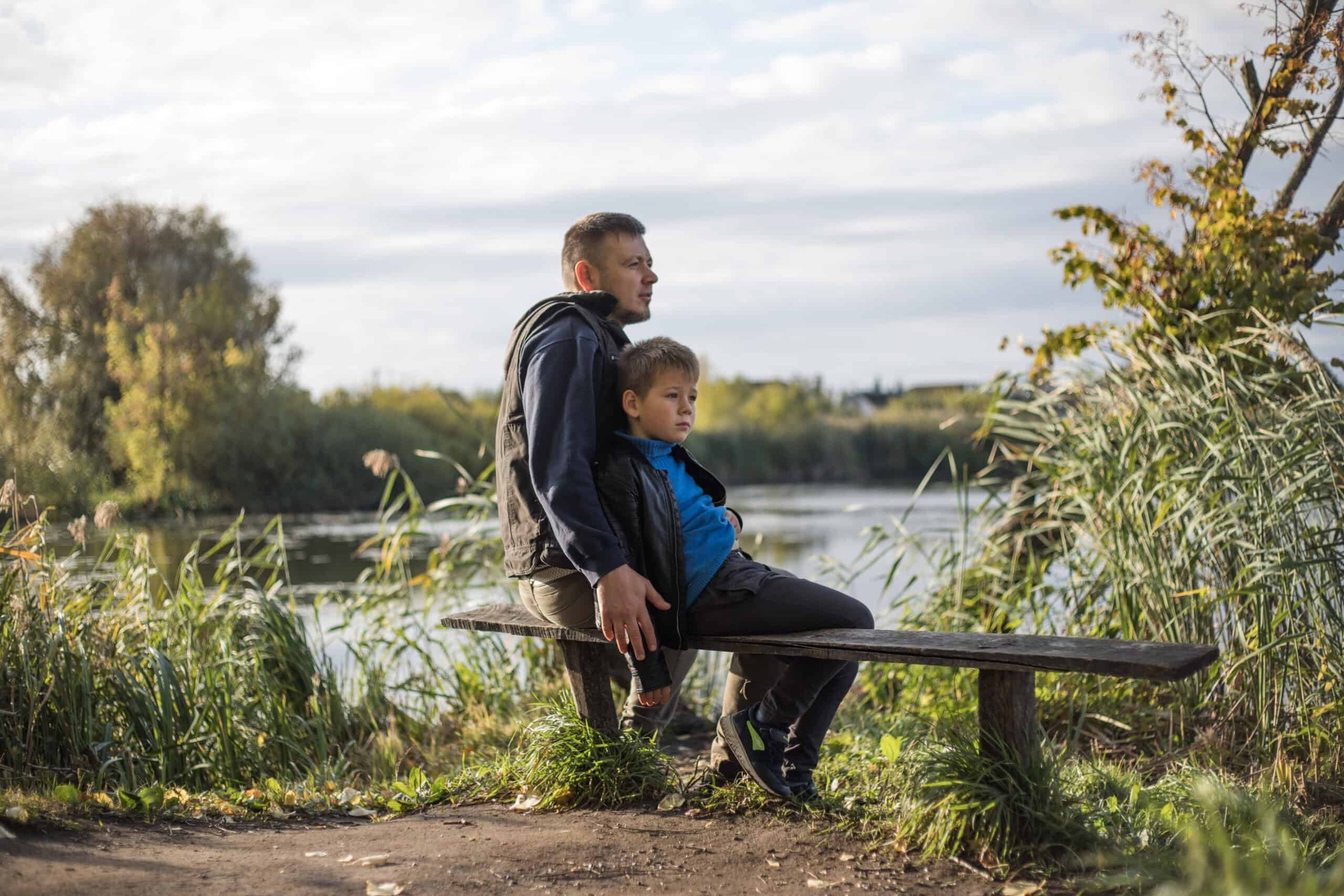
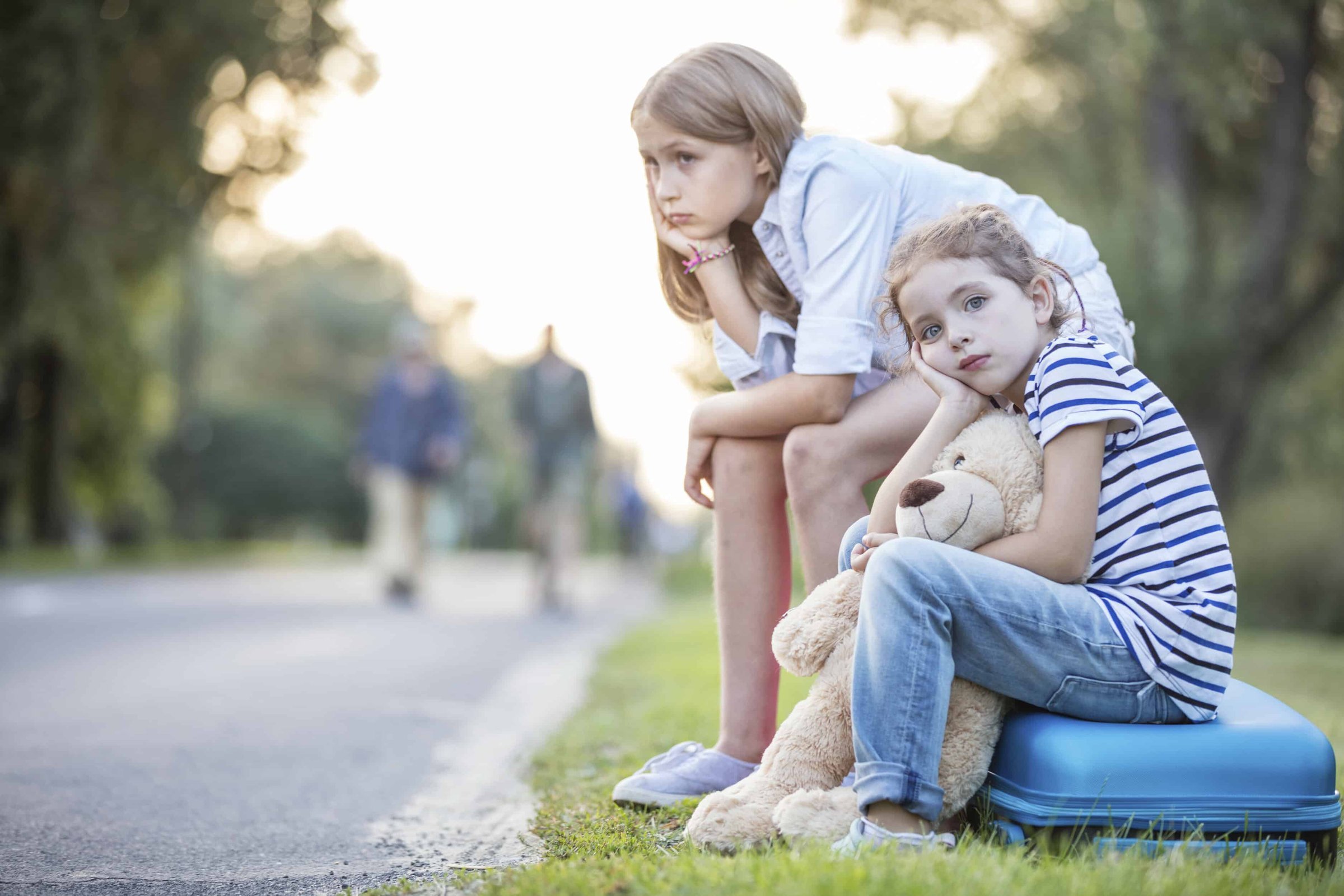
Many parents of only children describe a particular moment: watching their child sit quietly at a birthday party while others run around in groups, or hearing them say, once, that they wish they had a brother or sister. Something tightens. A question forms: have we given them enough?
The idea that only children are lonelier, or socially disadvantaged, has been circulating for a long time — across cultures, across generations, often surfacing as well-meaning concern from people around the family. It has the quality of common sense: more siblings means more connection, more practice at sharing, more company across the years.
The research, however, tells a more interesting story — one that seems to challenge the assumption rather than confirm it.
Studies find that only children are not lonelier — and that parenting quality, not sibling status, is the real predictor
A study examining young people in China — drawn from a culture where the 'lonely only' stereotype runs particularly deep — found a striking gap between perception and reality. While many adults believed only children would report more loneliness, the data showed the opposite: those with siblings reported higher levels of loneliness than those without (1). The belief, it turned out, was not supported by the lived experience of the people it described.
What a growing body of work does point to, consistently, is a different set of factors. The quality of the parent-child relationship — warmth, responsiveness, and emotional availability — appears to matter considerably more for a child's sense of connection than whether they share their childhood with a sibling (2). Children who experience consistent emotional attunement from a caregiver tend to carry a greater capacity for connection into their peer relationships, whatever the shape of their family.
Loneliness in children appears to be shaped more by the emotional environment they're embedded in than by the number of people they live with. One deeply available adult can offer more relational security than multiple less-attuned companions.
Emotional warmth from caregivers is linked to reduced internalising difficulties in children and adolescents — lower rates of anxiety, social withdrawal, and emotional difficulty (3). The emotional texture of daily caregiving matters more than family structure.
Whatactually shapesa child's sense of belonging — and why the only child's experience is different
Children develop their sense of belonging gradually, through repeated experience of being noticed, responded to, and held in mind by someone who knows them. That experience happens in the recurring moments of family life — the meal where someone asks what was hard today, the bedtime where a child feels listened to without being rushed, the unhurried afternoon where a parent follows their lead.
What emotional support looks like changes across childhood. Young children tend to benefit most from physical closeness, consistent routine, and calm adult co-regulation (4). In middle childhood, conversations about friendships, social dynamics, and belonging become increasingly central. Adolescents often need something different again — space, autonomy, and the sense that an adult is available without being intrusive (5). Tracking the developmental moment seems to be more useful than trying to replicate a sibling relationship through other means.
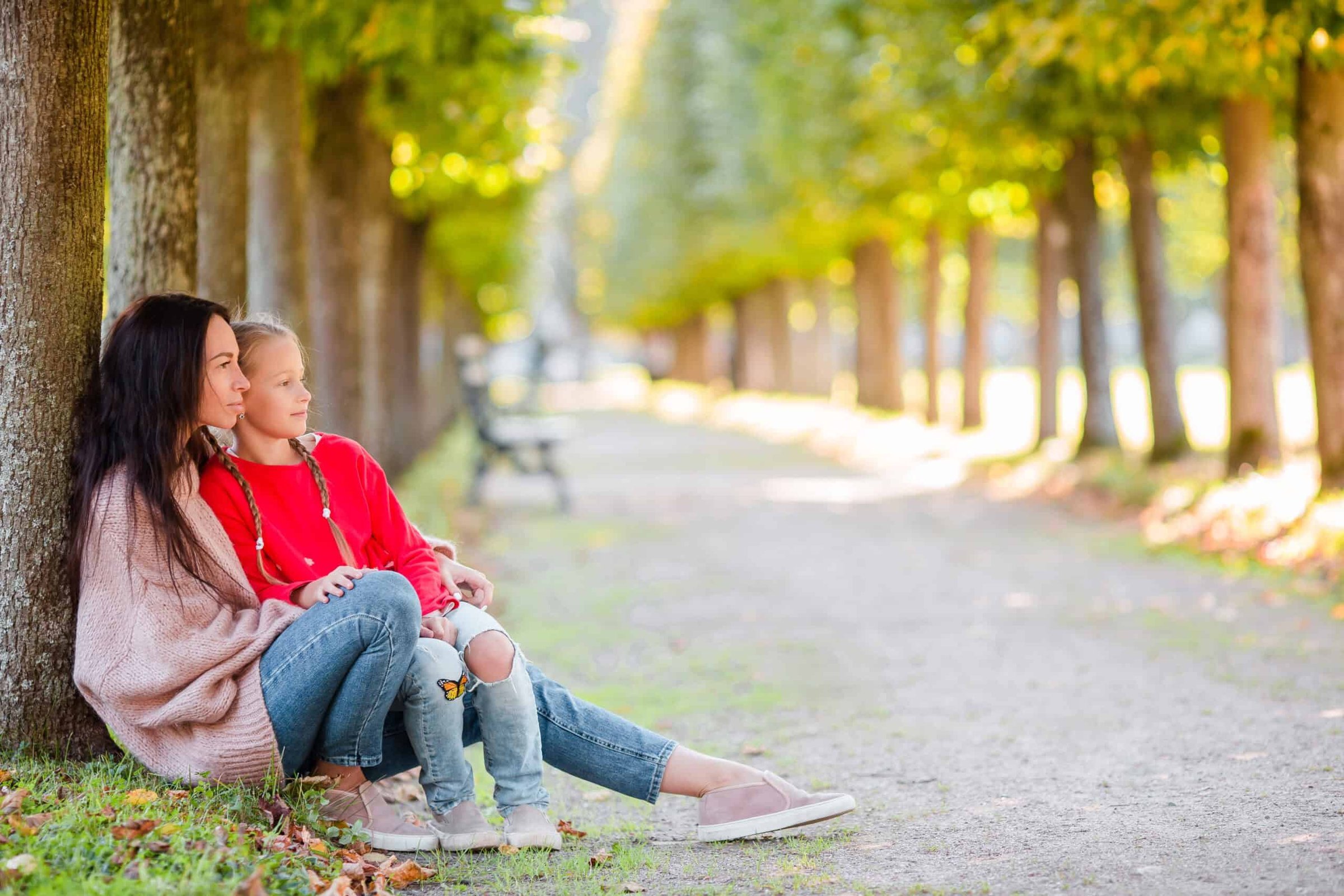
The particular texture of an only child's relationship with their parents can carry its own kind of richness: more undivided attention, more opportunity for conversation at depth, a closer adult-child world. These are their own kind of offering, doing their own kind of developmental work.
The loneliness myth around only children is partly a cultural story — and China's experience shows how deeply it can run
In many East Asian societies — and particularly in China, where a national policy shaped tens of millions of single-child families between 1979 and 2015 — the idea that only children are inherently disadvantaged became embedded in cultural consciousness in ways that went well beyond what the evidence supported (1). A generation of only children grew up under a particular kind of social scrutiny, their emotional development interpreted through a lens of anticipated lack.
A media analysis of loneliness in China describes what researchers call a 'lonely culture' — a broader societal shift influenced by rapid urbanisation, shrinking households, and the normalisation of living alone (8). This loneliness reflects structural changes affecting people of all ages, and it complicates any simple equation between family size and emotional wellbeing.
The assumption that siblings automatically protect against loneliness can overlook something important: sibling relationships vary enormously in quality. A sibling can be a source of deep comfort or sustained conflict, often both. Loneliness is about whether a person feels genuinely seen within the household, instead of just the number of people in it.
The myths about only children persist despite the evidence — and add to pressure that parents of one child often already feel
Several persistent beliefs surround only children — that they seem to be self-centred, overly dependent on adults, or socially behind peers with siblings. Researchers have consistently challenged these assumptions. Some evidence suggests that only children tend to perform at least as well as — and sometimes better than — those with siblings on measures of peer social competence, and that traits like entitlement are more reliably predicted by parenting style than by family size (6).
Despite this, parents of only children often describe a low-level social pressure: to explain the family's shape, to demonstrate that their child is not missing out, to compensate somehow for a gap that may not exist in the way it is imagined. That pressure — drawing on a cultural story that research has not validated — can itself become a quiet source of anxiety.
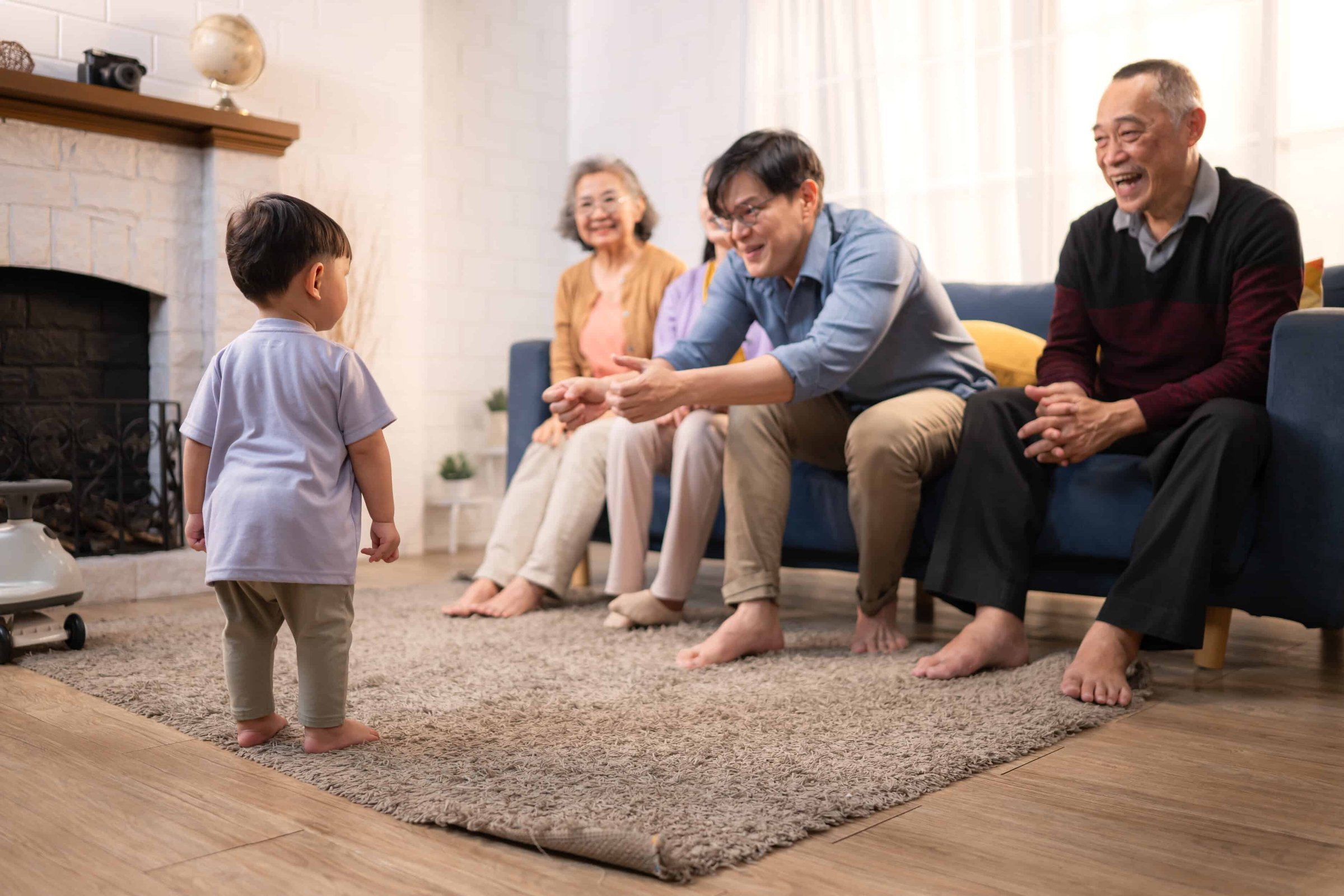
It’s also important to remember that all caregivers shape a child's emotional development — not only primary parents. Research points to the particular significance of fathers' emotional availability: warmth, responsiveness, and active engagement in caregiving are linked to improved emotional regulation and fewer social difficulties in children, independent of other forms of support (7). For only children, the breadth of their wider caregiver network — grandparents, close family friends, involved adults — sometimes matter in ways that extend well beyond the sibling question.
What tends to make a genuine difference for only children — some patterns worth knowing
Families with one child who navigate this territory well tend to describe the same broad shift: moving away from the question of what's absent, and toward the question of what quality of connection this child has access to. What makes it feel safe to reach out, and easy to land?
Some patterns that many families have found useful to support connection and belonging in only children:
Consistent warmth in small, daily moments. Eye contact, genuine listening, warmth offered without particular reason — these tend to accumulate in ways that large occasional gestures don't. The regular unhurried conversation, the sense that an adult is curious about a child's inner world: these appear to do more for a child's emotional security than most deliberate social interventions (2, 3).
Genuine peer opportunities. Only children may not have a built-in sibling practice ground, but they can find their social footing in community settings, interest-based groups, and regular contact with the same children over time. Familiarity and low-stakes repetition tend to build social ease more reliably than high-intensity social events (2).
Modelling connection. Children observe how adults build and maintain relationships — how they seek help, repair misunderstandings, and stay in contact with people who matter to them. Families where adults demonstrate genuine social engagement tend to give only children a working template for connection that extends well beyond the household.
Developmentallyappropriate supportas the child grows. What a toddler needs — physical closeness, co-regulation, responsive routine — is different from what a school-age child needs — conversations about friendships and belonging — and different again from what an adolescent needs: respected autonomy, with an emotionally available adult in the background (4, 5). Staying close to the developmental moment tends to be more useful than a fixed approach.
Broaden the circle of caregivers. Research points to the value of multiple emotionally available adults in a child's life. Grandparents, involved family friends, responsive fathers and secondary caregivers all contribute meaningfully to a child's developing sense of trust and belonging (7). For only children especially, a wider relational network tends to provide something that no single relationship — however good — can fully cover on its own.
Being an only childdoesn'tmean being a lonely child — what shapes connection runs much deeper than sibling count
The research points, repeatedly, toward the same thing: what shapes a child's emotional world is not the number of other children in the household, but the quality of the caregiving they experience within it. The child growing up without siblings is not, by virtue of that fact alone, at any fixed disadvantage.
That's a different kind of reassurance from 'don't worry, it'll be fine.' It's a reorientation toward what actually matters — the emotional availability of adults, the texture of daily life, the sense that this child is genuinely known and held in someone's mind. These are things that can be shaped. They don't require siblings to occur.
Only children often grow up with a particular kind of relationship with the adults around them — more time in adult company, more opportunity for depth, more experience of being taken seriously as a person. These are their own kind of richness, doing their own kind of work.
References:
[1] Lin S, et al. Chinese people believe that only children are lonely. But Chinese youth who are only children report less loneliness than their peers with siblings. Population Research Center. 2021. https://doi.org/10.26153/tsw/13882
[2] Yan J, Feng X, Schoppe-Sullivan SJ. Longitudinal associations between parent-child relationships in middle childhood and child-perceived loneliness. J Fam Psychol. 2018;32(6):841–847. https://doi.org/10.1037/fam0000446
[3] Zhang L, Wang R, Li Y, Chen L. The impact of maternal emotional warmth on adolescents' internalising problem behaviours: the roles of meaning in life and friendship conflict. Front Psychol. 2024;15. https://doi.org/10.3389/fpsyg.2024.1478610
[4] Holodynski M. Milestones and mechanisms of emotional development. In: Markowitsch H, Röttger-Rössler B, editors. Emotions as bio-cultural processes. New York: Springer; 2009. https://doi.org/10.1007/978-0-387-09546-2_7
[5] Bülow A, et al. Universal ingredients to parenting teens: parental warmth and autonomy support promote adolescent well-being in most families. Sci Rep. 2022;12(1). https://doi.org/10.1038/s41598-022-21071-0
[6] Hawley PH. Eight myths of child social development: an evolutionary approach to power, aggression and social competence. In: Evolutionary psychology. Cham: Springer; 2016. p. 145–166. https://doi.org/10.1007/978-3-319-29986-0_6
[7] Cimino S, Tafà M, Cerniglia L. Fathers as key figures shaping the foundations of early childhood development: an exploratory longitudinal study on web-based intervention. J Clin Med. 2024;13(23):7167. https://doi.org/10.3390/jcm13237167
[8] Qiu L, Liu X. Media representation of loneliness in China. In: Fox B, editor. Emotions and loneliness in a networked society. Cham: Palgrave Macmillan; 2019. https://doi.org/10.1007/978-3-030-24882-6_7