Most parents have had the experience of watching their child hesitate at the edge of a group — unsure how to step in, unsure if they'll be welcomed. It can be quietly painful to witness. And it raises a question many parents carry: is there something we can do to help?
Social skills develop over time, shaped by experience, environment, and the relationships children are surrounded by (1, 2). That's a reassuring finding. It suggests that the conditions we create around children, at home and at school, can genuinely make a difference.
This article explores what we know about how social skills develop, what tends to support them, and some patterns many families and educators have found useful along the way.
That moment at the edge of the group is one most parentsrecognise— and it matters more than it might appear
It's the lunchroom, or the playground, or the edge of a birthday party. A child is hovering at the boundary of a group — watching, wanting to join in, but not quite able to bridge the gap. The other children don't notice. The child waits. Then quietly moves away.
For parents, these moments can linger. There's something about watching a child feel socially uncertain that touches something deep — a wish to ease it, a worry about what it means, and sometimes a quiet helplessness about where to begin.
It's worth knowing that this kind of hesitation is common, and that social ease is something that tends to develop — unevenly, gradually, with the right conditions around it.
What'sactually happeningin the developing brain — and why social ease takes years to build, not weeks
Social interaction draws on several brain systems working together. Some research points particularly to the brain's regions for decision-making, impulse regulation, and perspective-taking, and to the systems that help children read and respond to others' emotional states (3). These mature over years, through repeated experience and the gradual building of neural connections during childhood.
This is part of why social situations can feel genuinely hard for many children. The brain systems that underpin social ease are still under construction — and they develop best through practice in low-pressure, supportive environments, not through being pushed into situations that feel overwhelming (1).
Social skills aren’t something children simply have or don’t have. Instead, they’re capacities that build over time — through repeated experience, emotional safety, and the scaffolding that adults provide around them.
It's also worth noting that some of this research is correlational. Children who develop strong social skills tend to have access to a range of other supports too — stable relationships, less stress, more unstructured time. Social development happens within a broader context.
What social confidenceactually feelslike from the inside — and why the emotional quality of home life builds the foundation
For many children, social situations are cognitively and emotionally demanding. Reading someone's tone, deciding when to speak, managing the anxiety of not knowing how a bid for connection will land — these are effortful processes, especially for children who haven't yet built a reliable sense of how interactions tend to go.
A growing body of work suggests that parenting stress and the quality of early relational experience shape the social ease children bring to peer interactions (2). When a child feels emotionally regulated at home — when their signals are noticed and responded to consistently — they carry more capacity into social situations. Simply because their nervous system has learned, repeatedly, that connection is safe.
This is a different framing from the idea that children need to be coached into socially correct behaviour. It suggests that the emotional quality of home life provides much of the foundation that social skills then grow from.
What different contexts show us — from Japanese school rituals to Indigenous storytelling, social learning happens through immersion
In Japan, children develop social awareness partly through structured group rituals from early in their schooling — shared responsibilities, collective practices, and an explicit cultural emphasis on harmony and attending to others (1). The expectation is that the environment will gradually shape those social capacities.
Indigenous educational traditions in many cultures take a similar approach — social roles, empathy, and community responsibility are transmitted through storytelling, shared experience, and intergenerational participation. Social learning happens through immersion and belonging (1).
Both approaches point toward something that developmental research also suggests: children develop social competence most naturally through repeated, meaningful participation in social life. The design of the environment does much of the work.
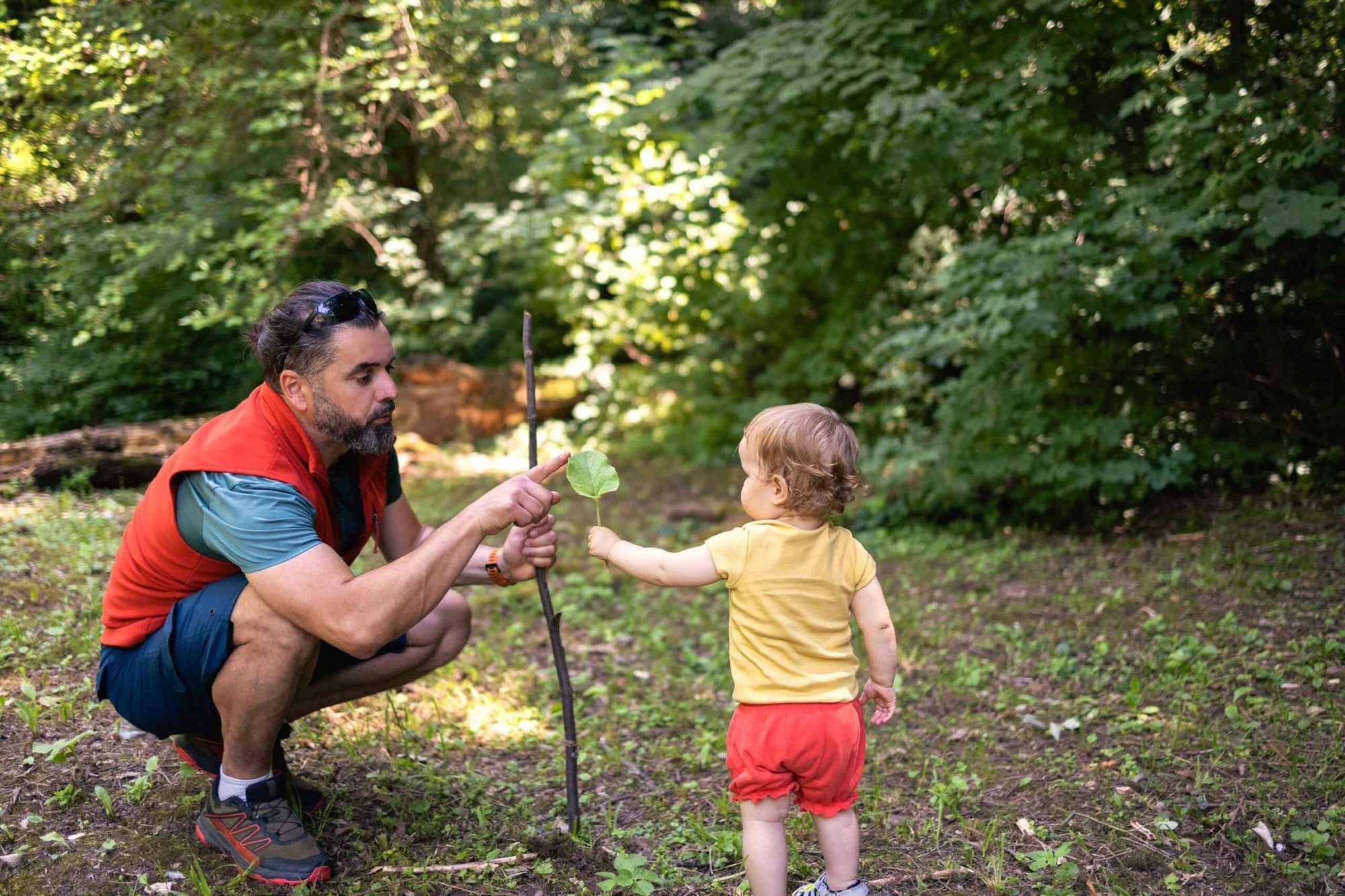
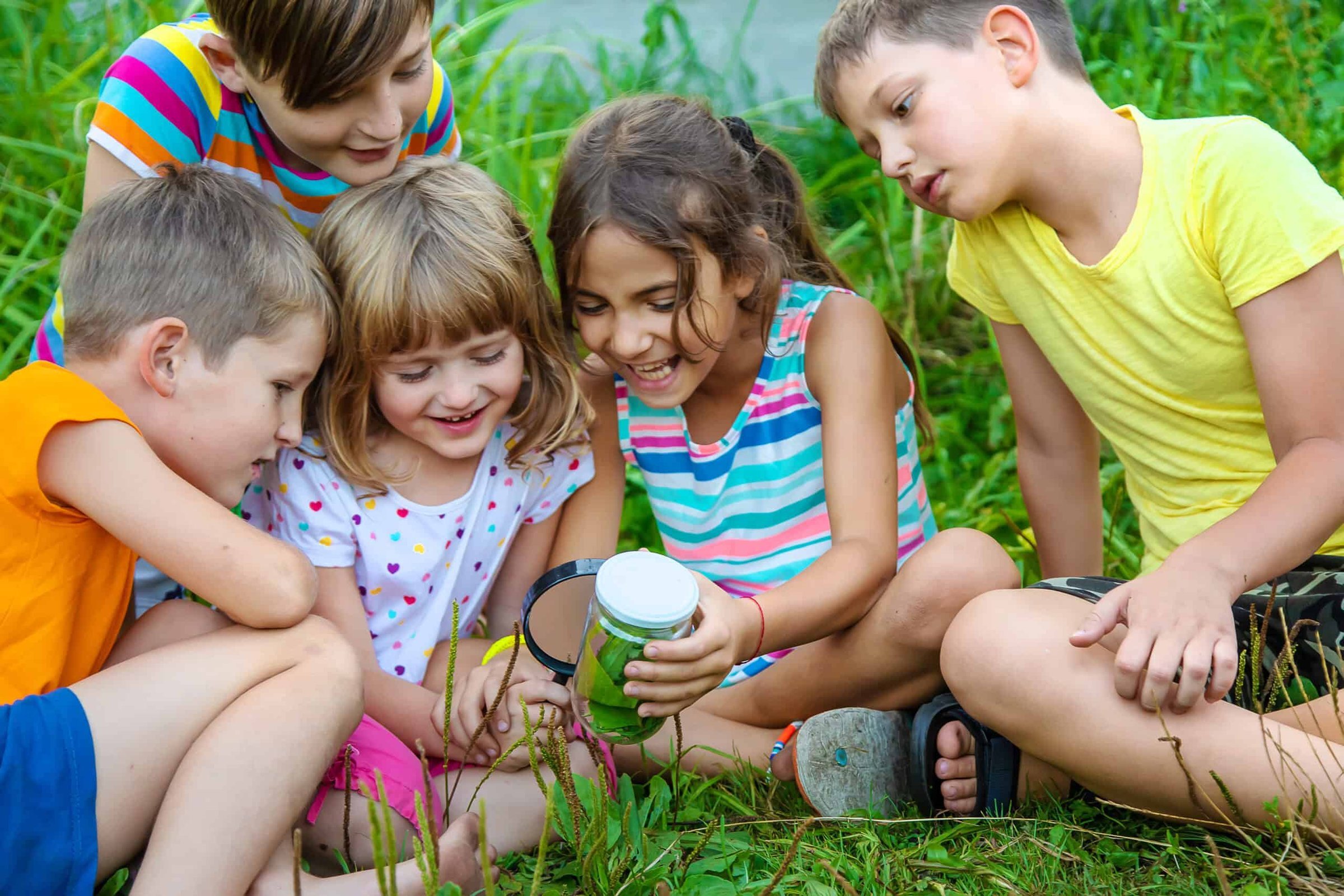
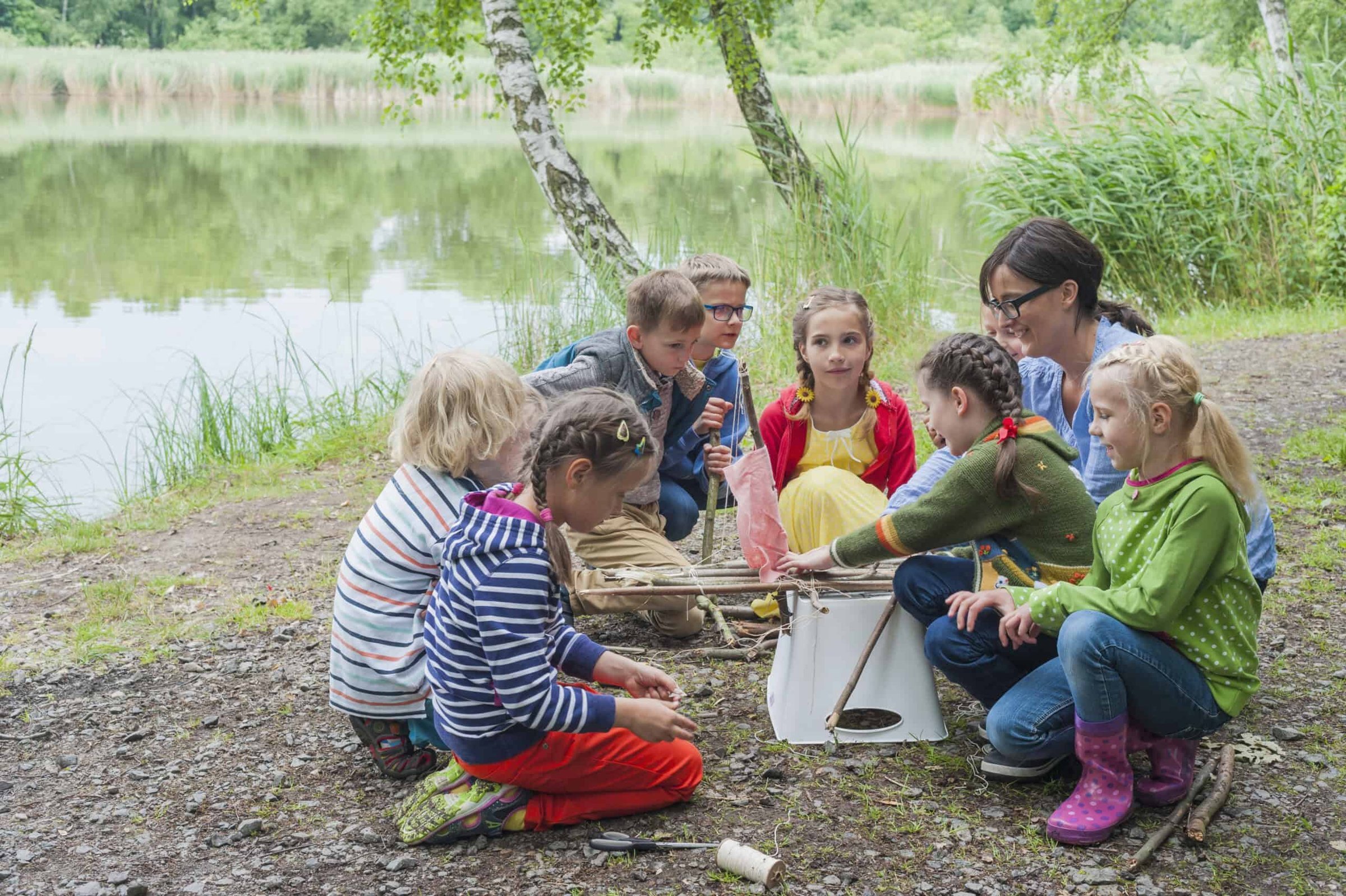
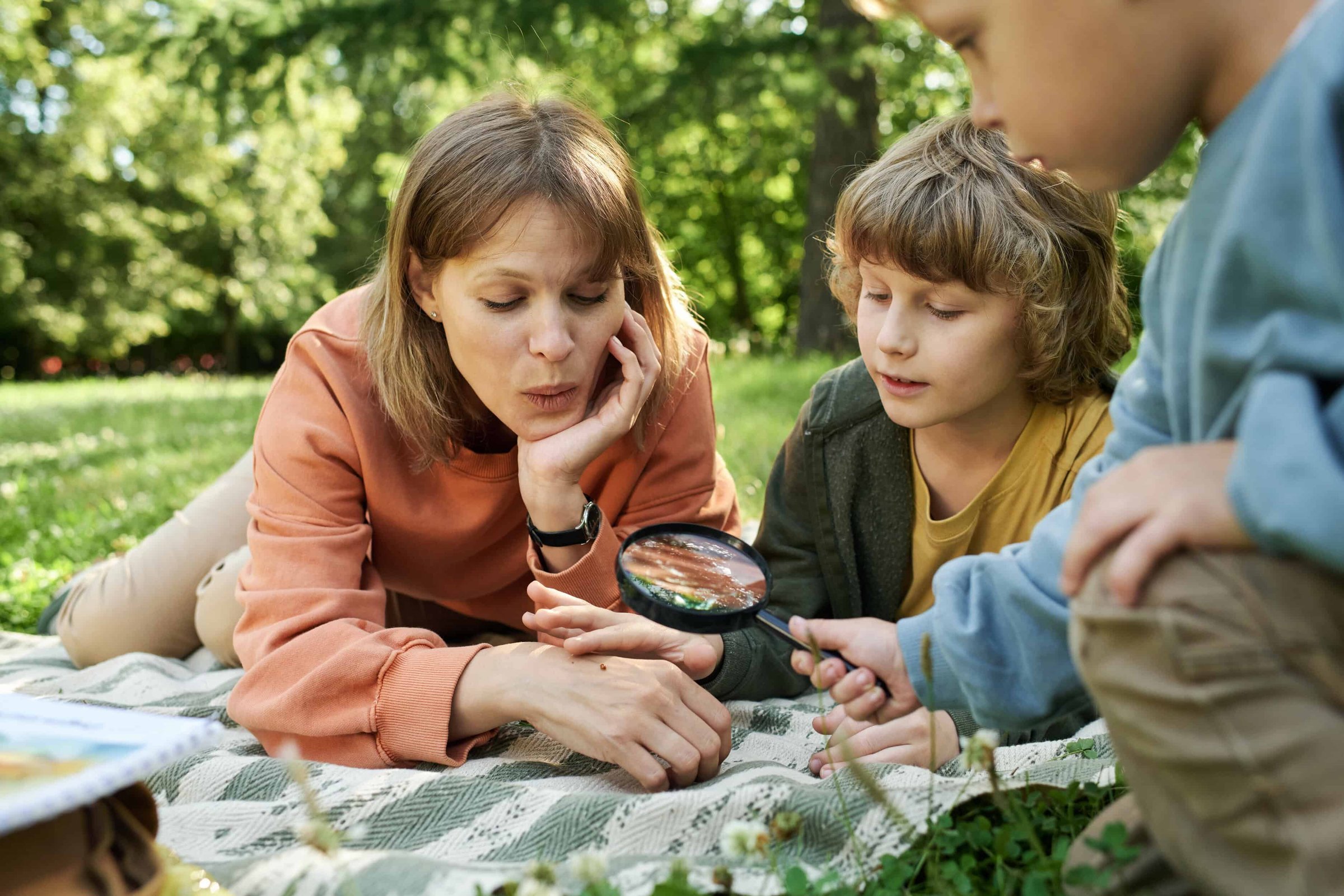
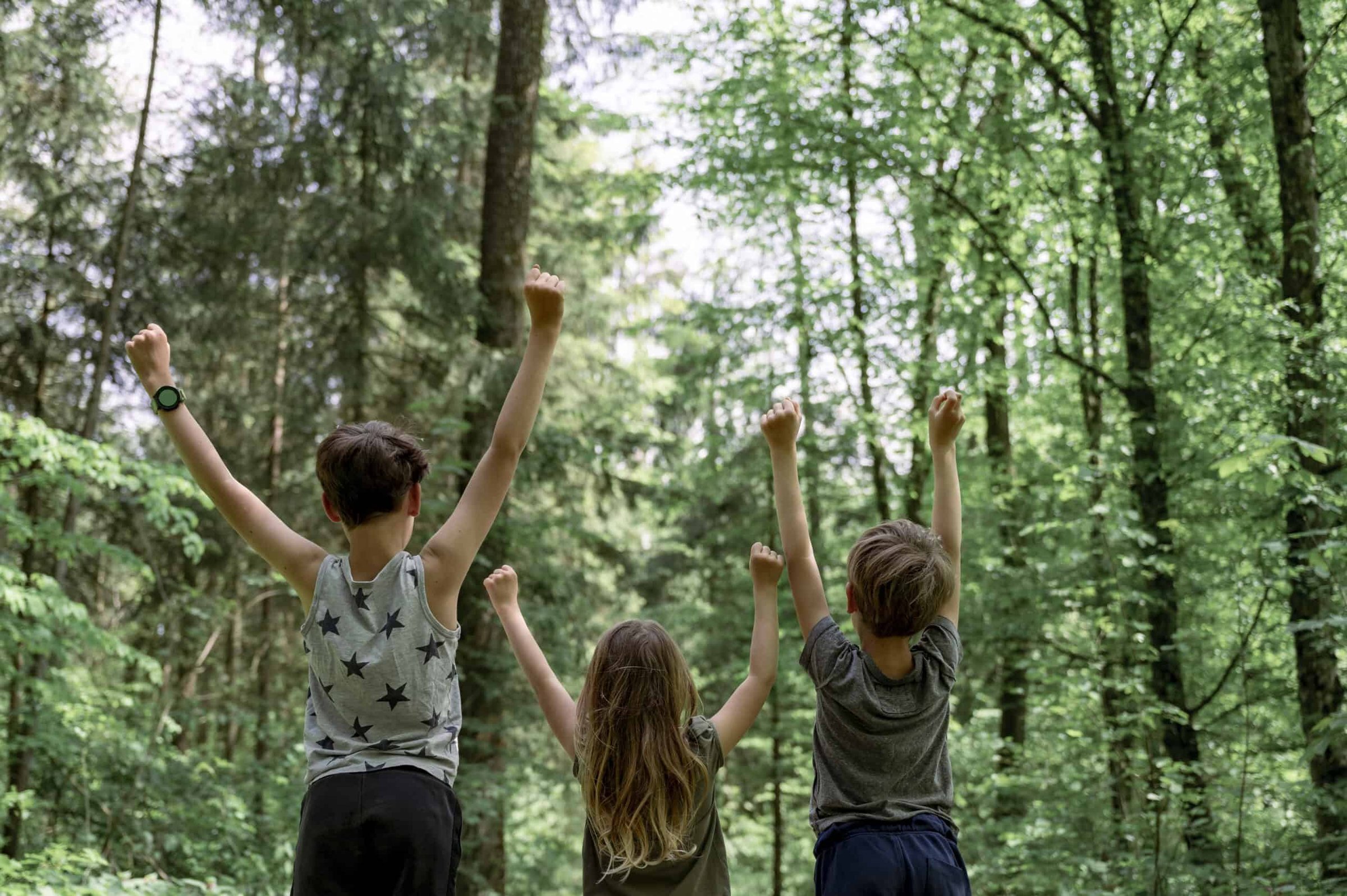
Outdoor and nature-based settings offer a particular kind of social environment that tends to support this. Sensory-rich, unstructured spaces — forests, parks, community gardens — naturally invite cooperative problem-solving, negotiation, and shared discovery. Researchers have found that time in natural environments is associated with increased prosocial behaviour and emotional regulation in children, likely because these settings reduce stress while creating genuine reasons to interact (1).
The pressure to perform socially — and why pushing children before they feel readycouldbackfire
There's a worry that runs through many well-meaning efforts to help children socially: the very act of drawing attention to a child's social struggles can intensify the anxiety around them. Being prompted to make eye contact, to introduce yourself, to join in — when you're already feeling uncertain — adds a layer of performance pressure onto an experience that already feels exposing.
Researchers have found that pushing children into uncomfortable social situations before they feel ready can undermine rather than build confidence (2). The children who tend to flourish socially are often those who've been given enough low-stakes, supported exposure that they've built their own internal sense of how social moments work.
This matters particularly for children who are introverted, highly sensitive, or neurodivergent. For these children, the expectation that social ease looks the same for everyone — busy, extroverted, group-oriented — can be a source of unnecessary shame. One-on-one connection, quieter settings, and interests-based interaction often provide a much more sustainable path to genuine social belonging.
What tends to help — some patterns worth knowing
Children who develop strong social confidence over time usually have had environments that gave them repeated, low-pressure opportunities to practise — alongside adults who modelled connection rather than correcting its absence.
Some patterns that many families and educators have found useful to support children’s social development:
Follow the child's interests. Children tend to connect most naturally around shared enthusiasm. Environments built around things a child genuinely cares about — a hobby, a game, a creative interest — lower the social stakes significantly and create natural reasons to interact. A growing body of work suggests that interest-based peer settings reduce anxiety and increase the frequency of positive social contact (2).
Prioritiselow-pressure, repeated contact. Familiarity matters more than most people expect. Children who encounter the same peers regularly — in informal, unhurried contexts — tend to build connection more reliably than those placed in high-intensity social events. Recurring, casual settings do more quiet work than occasional big ones.
Model what you hopethey'lllearn. Children observe how adults listen, how they ask questions, how they repair moments of friction. Families where adults actively demonstrate genuine curiosity about others, wait before speaking, and express warmth without agenda tend to raise children who do the same because they absorbed it.
Use games and play as practice. Turn-taking games, cooperative activities, and structured outdoor play offer children repeated, embedded practice in the skills underpinning social ease: impulse regulation, perspective-taking, waiting, and working through small disagreements (4). The learning happens through the experience rather than through instruction.
Respect different social styles. Not every child's social flourishing looks the same. Some children are energised by groups; others do their most genuine connecting one-to-one. Classrooms and families that offer a range of social formats — quiet paired activity alongside group play, indoor alongside outdoor, structured alongside free — support a wider range of children well.
Take outdoor and nature-based settings seriously. Unstructured time in sensory-rich natural environments tends to invite a different quality of social interaction — cooperative, exploratory, lower-stakes. Many educators find that children who struggle in structured social settings connect more readily in outdoor ones. The environment does much of the work.
The child on the edge of the group is assessing, and that caution is the beginning of competence
The child on the edge of the group is, in all likelihood, doing something quite sophisticated: reading the social landscape, assessing the risk, trying to find the right moment. It's caution — and caution is often the beginning of competence.
What most children in those moments need is less correction and more company. An adult who models connection, an environment that makes it feel safe to try, enough time and enough repetition to build a quiet confidence that the world, on balance, tends to welcome them.
That confidence rarely arrives all at once. But it does tend to arrive — given the right conditions around it.
References:
[1] Xovoxon F. Strategies for enhancing social skills in early childhood education through developmental learning approaches. Int J Pedagogy. 2024;4(12). https://doi.org/10.37547/ijp/Volume04Issue12-18
[2] Han Y, Hock KE. The relationship between parenting stress and social skills of preschool children. South Asian J Soc Sci Humanit. 2023;4(2):118–132. https://doi.org/10.48165/sajssh.2023.4207
[4] Tremaine EJ. Profiles of school readiness and implications for children's development of academic, social and engagement skills [dissertation]. Portland (OR): Portland State University; 2017. https://doi.org/10.15760/etd.5903