When a child rolls down a hill, wrestles with a sibling, or balances across a log, they are doing something that goes considerably deeper than burning energy. Physical play — particularly the unstructured, risky, embodied kind — appears to be one of the most powerful drivers of brain development, stress regulation, and social learning available to a growing child.
A growing body of research points to consistent associations between physical play and improvements in emotional regulation, executive function, and resilience (3, 4, 7). These benefits are not incidental to the movement. The movement appears to be the mechanism. And they appear to be shaped, significantly, by how much freedom children are given to play physically — and how much opportunity they have to take genuine risks.
This article explores what research tells us about physical play and the developing brain, what different forms of it build, and what tends to get in the way.
The child rolling down the hill looks likethey'resimply having fun — the research suggeststhey'realso building their brain
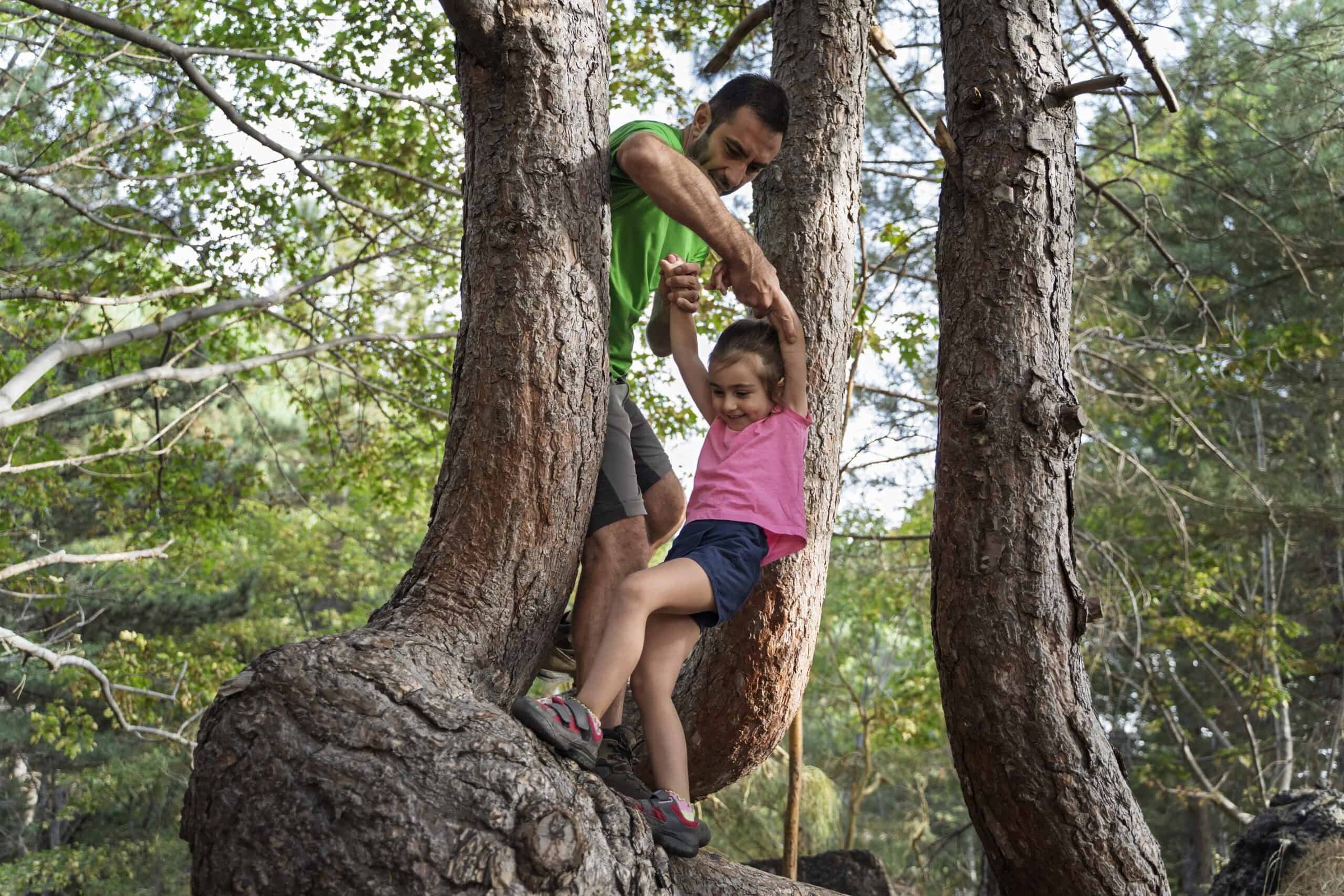
Think about what happens in a few minutes of genuine physical play. A child climbs a tree and feels the problem of the next branch — assessing weight, reach, balance. They land wrong and adjust. They fall and get up. They chase and are chased. They wrestle with a friend, read the cues that say stop, and stop. All of this looks, from the outside, like play. Inside, it is something closer to a full-system workout for the developing brain.
Physical play — and specifically the kind that is unstructured, spontaneous, and somewhat risky — has been quietly losing ground in many children's lives, crowded out by schedules, screens, and a cultural preference for supervised activity. The developmental cost of that shift is important to understand, because what looks like simply running around turns out to be doing something that structured activities cannot easily replicate.
Research consistently finds that physical play activates multiple brain systems simultaneously — and its effects on stress regulation and emotional development are well-supported
When children engage in physical play involving balance, jumping, rolling, or navigating uneven terrain, multiple brain systems engage at once — the systems that process spatial position and movement, those that coordinate body awareness and proprioception, and the brain's regulatory networks responsible for planning and impulse control (2, 7). This simultaneous activation appears to support neural development in ways that more isolated activities don't, particularly during the window when the brain is most flexible.
Research has found consistent associations between physical activity and higher levels of a molecule that supports neural growth and the formation of new synaptic connections — helping explain why regular movement in childhood appears to support also learning and memory consolidation (8). The stress-regulation dimension is also well-supported: active physical play appears to help children's stress-response systems become better calibrated over time, supporting the capacity to recover from difficulty rather than being undone by it (4).
Much of this research is correlational — children who engage regularly in physical play also tend to show better emotional regulation and executive function. Whether movement causes these improvements directly, or whether children with stronger self-regulation are more drawn to active play, remains an active area of investigation. Both may be true simultaneously. The association is consistent and meaningful regardless.
Experts have also pointed to the particular value of physical play for social brain development. The real-time interaction of cooperative or competitive physical play — reading other children's cues, adjusting behaviour in response, managing the emotional intensity of physical contact — appears to exercise social understanding in ways that more static social contexts don't (1, 6).
What different forms of physical play are building — and why rough-and-tumble playin particular isconsistently underestimated
Not all physical play does the same developmental work. For toddlers, sensorimotor exploration — touching, mouthing, crawling across different surfaces, being held and swung — provides the earliest sensory integration that later movement builds on. In middle childhood, social physical play — chasing, rough-and-tumble, cooperative outdoor games — becomes the primary context for learning emotional regulation, boundary-setting, and social negotiation. For adolescents, the social and identity dimensions of movement tend to emerge through peer-led physical challenges, sports, and group activities where cooperation, leadership, and autonomy are practised (3, 5).
Rough-and-tumble play — the physical, energetic, laughter-filled kind that adults most often interrupt — tends to be the most developmentally underappreciated. Research on play deprivation in animal models suggests that physical social play is essential for the development of social behaviour, impulse control, and the capacity to respond flexibly to novelty (6). While these animal models don't translate directly to human outcomes, the consistent associations in human research point in the same direction: physical social play provides something that other contexts don't.
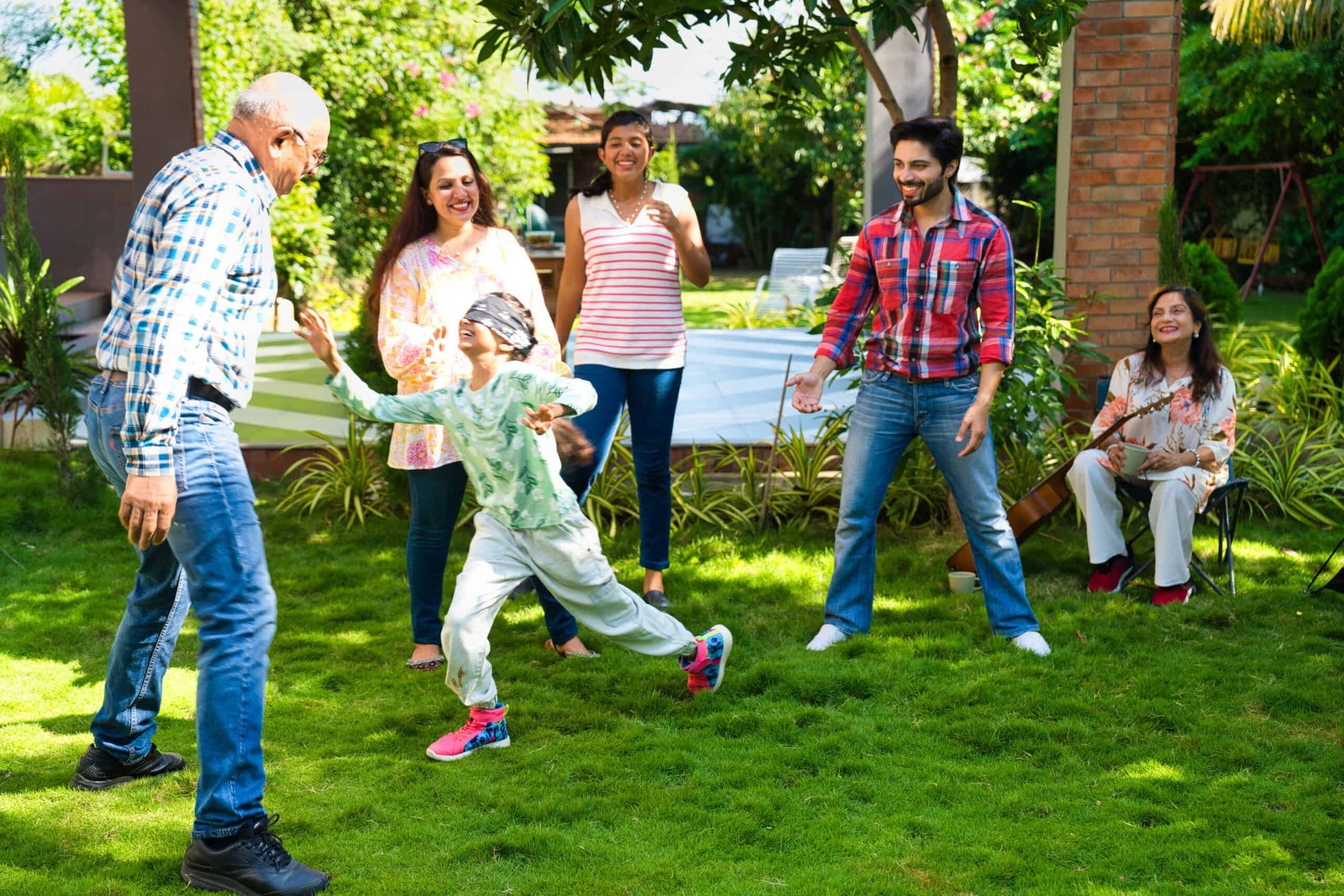
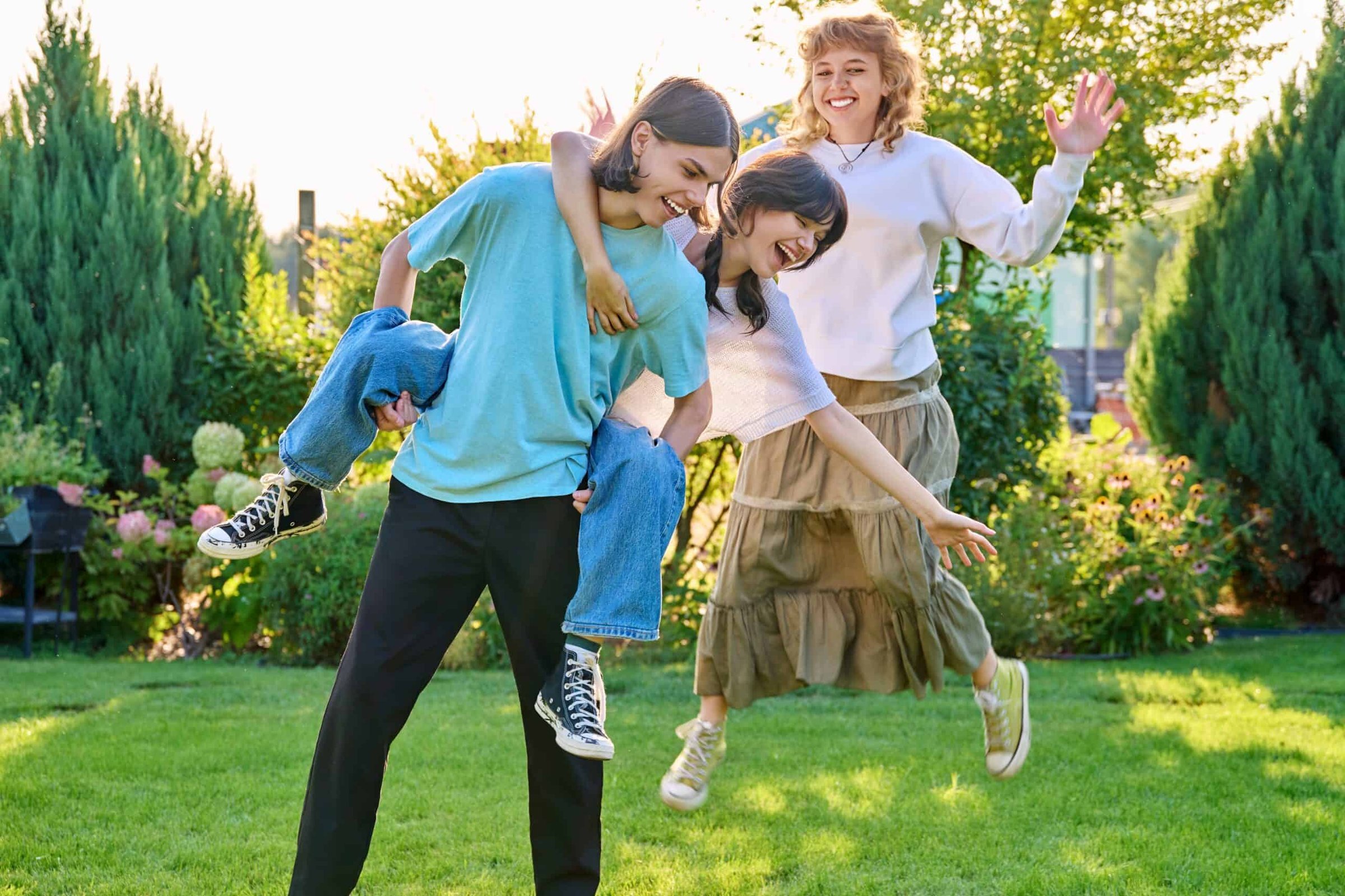
What distinguishes this play from aggression tends to be clearly legible to the children involved — mutual willingness, laughter, and the self-regulation of intensity — even when it is less legible to adults watching. When caregivers join this kind of play — modulating intensity, following the child's cues, stopping when needed — the physical encounter also becomes an opportunity for emotional co-regulation and the deepening of attachment (1).
Different cultureshave long understood that risky outdoor movement is a developmental resource to be supported
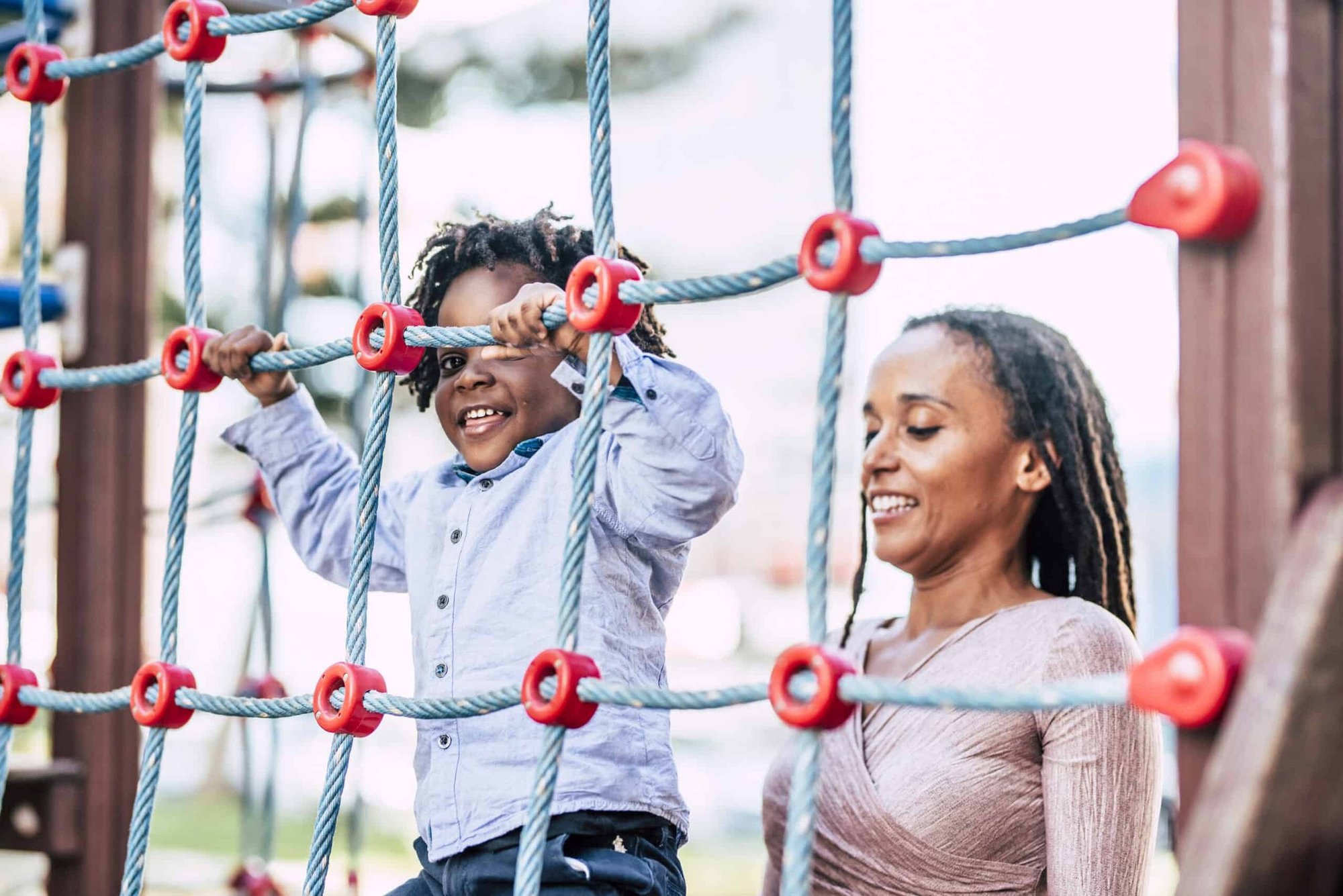
In Norway and Finland, forest schools keep young children outdoors in all weather, treating unstructured physical exploration as foundational to learning. Children climb, dig, and navigate uneven terrain across the school day. The underlying understanding is that physical engagement with the natural world develops attention, resilience, and independent judgment in ways that indoor environments cannot replicate.
In Japan, preschool playgrounds often include steep slopes, open water features, and high climbing structures — a deliberate trust in children's capacity to assess risk and develop autonomy. In Aotearoa New Zealand, many schools provide loose materials during recess — ropes, tyres, planks — inviting open-ended physical creativity and collaborative problem-solving. Indigenous traditions across many cultures combine movement, rhythm, and physical challenge with cultural transmission, treating physical learning as inseparable from social and moral learning (5).
Across these traditions, a shared understanding emerges: children's physical play is something adult environments need to make genuinely possible. The cultural question is less about how to manage physical play and more about what conditions allow it to happen freely.
The barriers to physical play are realandthey are structural
The instinct to intervene in children's physical play — to manage the risk, reduce the roughness, keep everyone visible and safe — comes from care. It is also, the research suggests, one of the ways in which developmental opportunity is quietly reduced. Children who are consistently protected from the level of physical challenge their own calibration of risk would permit tend to miss the learning that comes specifically from navigating manageable danger (5). The confidence of a child who has assessed a height and decided whether to jump cannot be built by an adult deciding for them.
The structural barriers to physical play are significant and not equally distributed. Many families in urban or densely-populated areas lack access to safe outdoor spaces, green areas, or the kind of informal neighbourhood play that previous generations experienced. Research on community-level initiatives — streets temporarily closed to traffic for play, park-based unstructured programmes — suggests that these structural conditions matter as much as individual parenting choices (9). The absence of physical play in many children's lives is less a failure of motivation than a consequence of how environments have been designed.
Gender norms also shape physical play. Boys, on average, engage more frequently in overt rough-and-tumble forms, while girls' physicality is more often expressed through cooperative and rhythm-based movement. These patterns reflect both biology and socialisation and do not imply fixed preferences. Cultural expectations that restrict girls' physical activity or treat boys' rough play as inherently problematic both limit developmental opportunity.
What tends to support physical play — orientations that protect the conditions rather than prescribing the activities
The families and schools that support physical play most effectively tend to share a pattern of less managing, more enabling. The goal is less to structure movement and more to create the conditions in which it can happen naturally and freely — with enough time, enough space, and enough trust in children's own navigation of challenge.
Some patterns that many families and educators have found useful to support physical play in children’s lives:
Protect time for unstructured outdoor movement. Even brief daily periods of genuinely open outdoor time — with no agenda, no organised activity, and no requirement to engage with specific materials — tend to produce richer and more diverse physical play than structured alternatives. The absence of direction is part of what allows children to invent the challenge that matches their current developmental need (1).
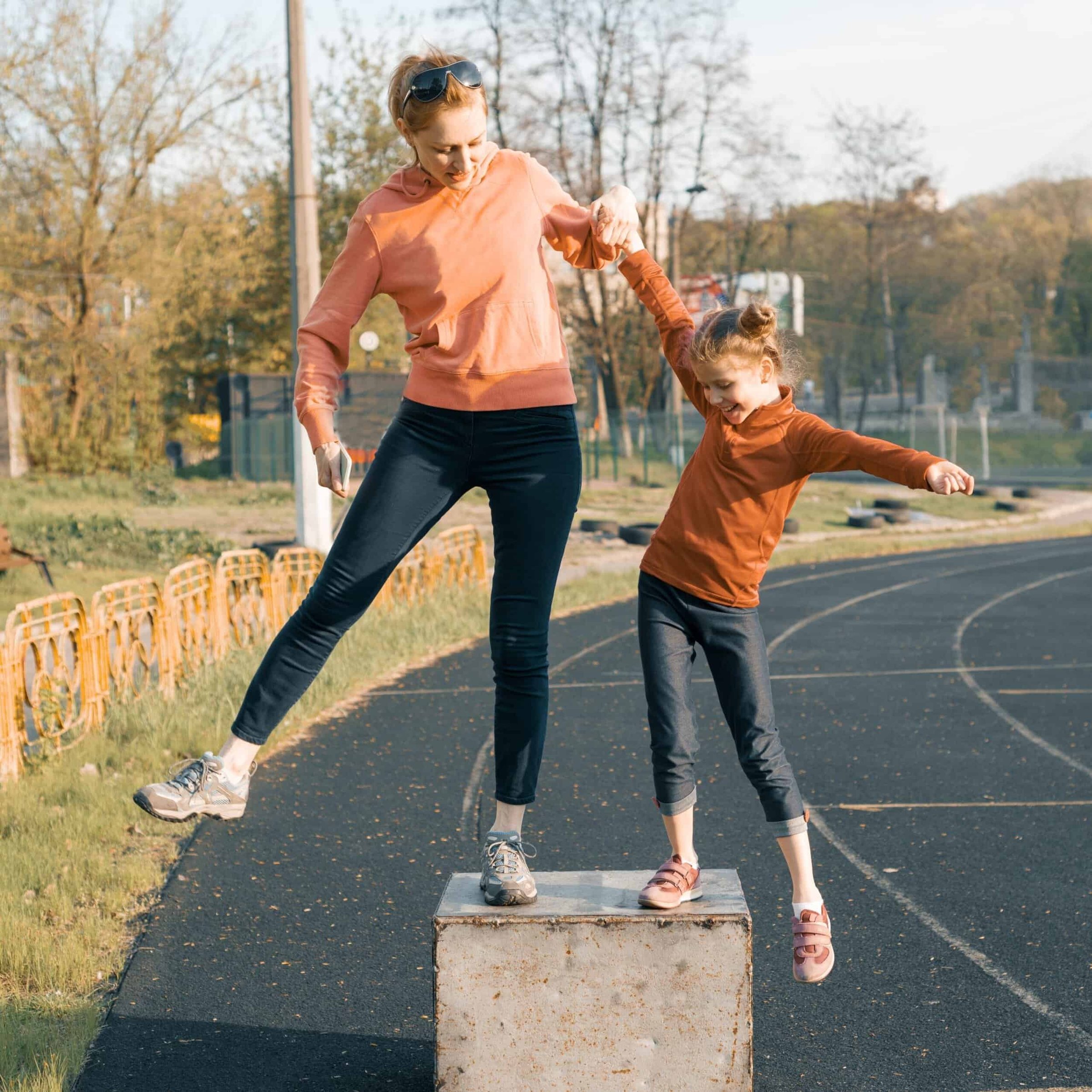
Allow manageable risk. Children's own assessment of physical risk tends to be more accurate than adults give credit for. Environments that offer genuine challenge — uneven terrain, heights with real consequence, materials that require problem-solving — tend to support confidence, autonomy, and the practice of risk assessment in ways that smooth and predictable environments cannot (5).
Receive rough-and-tumble play rather than interrupt it. When children are clearly both willing and enjoying a physically energetic interaction, staying calmly present rather than intervening tends to be more developmentally useful than stopping the activity. The play is doing regulatory and social work. Adults who understand this tend to find they intervene less often and with better calibration when they do (6).
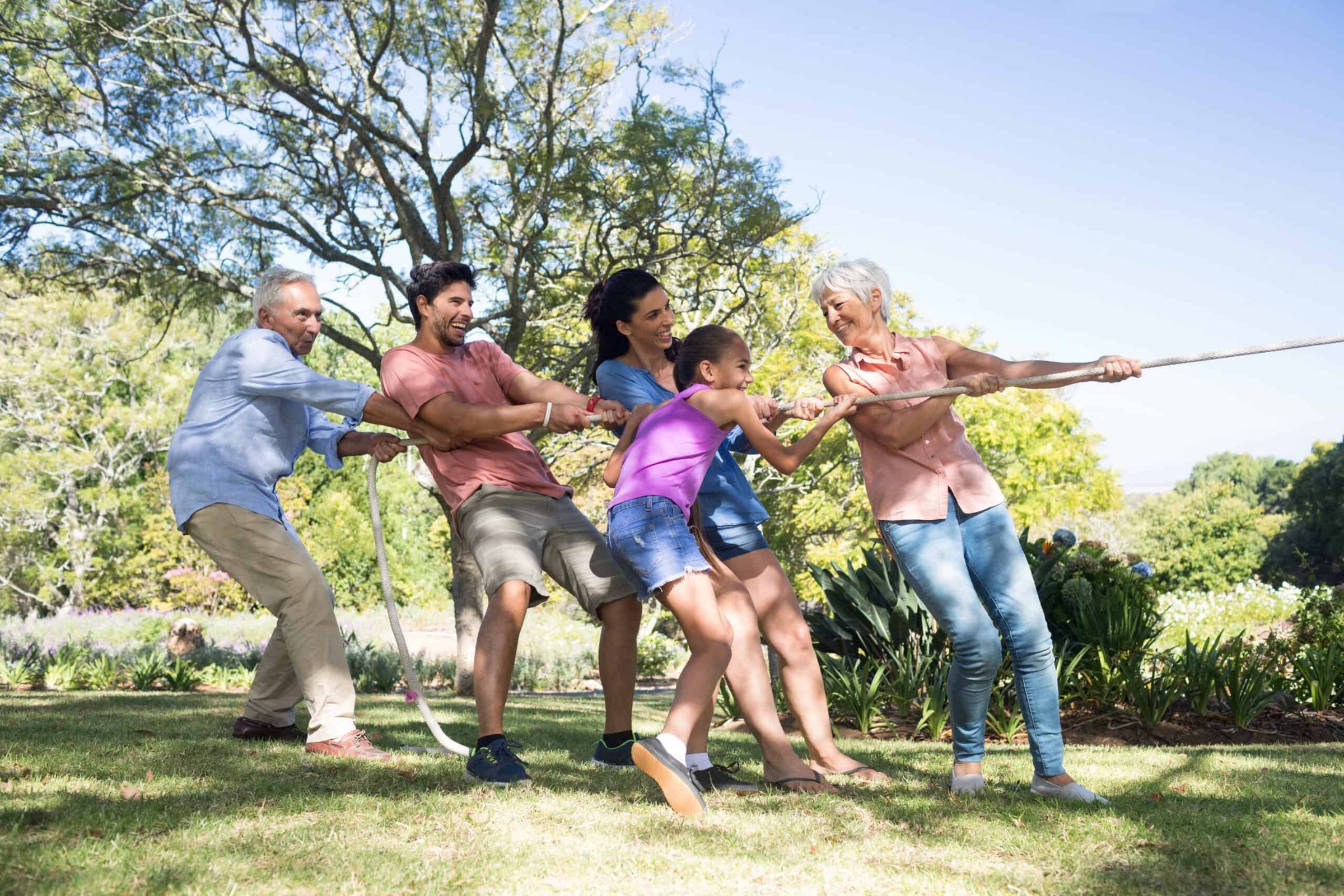
Join in, then step back. Caregiver participation in physical play — following the child's lead, matching their energy, being genuinely in the game — tends to deepen both the play and the relational experience. The subsequent stepping back is equally important: what children build in play that adults watch without directing is different from what they build in play that adults lead (1).
Noticeaccess. Where physical play is absent or limited, the question worth asking is often structural rather than motivational: what conditions would need to change for this to be more possible? Time, space, safe outdoor access, and freedom from adult over-management are all conditions that can be shaped (9).
The brain being built through physical play — through rolling, falling, getting up, and reading a friend's face mid-wrestle — is the same brain that will navigate adult complexity
When a child tumbles down a hill and gets up grinning, something neurological is happening alongside the physical experience. The brain's balance and body-awareness systems are integrating new data. The stress-response system is modulating. The social brain is recording what just happened and updating its model of challenge, risk, and recovery.
None of this requires instruction or intervention. It requires the conditions to happen — time, space, some degree of physical freedom, and adults who understand what they are witnessing when a child takes a fall and immediately wants to do it again. The resilience that many parents hope to give their children through words and encouragement is being built, quietly and thoroughly, every time a child's body encounters the world on its own terms.
That is what the tumbling is for. And it cannot be scheduled.
References:
[1] Hewes J. Seeking balance in motion: the role of spontaneous free play in promoting social and emotional health in early childhood care and education. Children. 2014;1(3):280–301. https://doi.org/10.3390/children1030280
[3] Belcher BR, Zink J, Azad A, Campbell CE, Chakravartti SP, Herting MM. The roles of physical activity, exercise, and fitness in promoting resilience during adolescence: effects on mental well-being and brain development. Biol Psychiatry Cogn Neurosci Neuroimaging. 2020;6(2):225–237. https://doi.org/10.1016/j.bpsc.2020.08.005
[4] Arida RM, Teixeira-Machado L. The contribution of physical exercise to brain resilience. Front Behav Neurosci. 2021;14. https://doi.org/10.3389/fnbeh.2020.626769
[6] Pellis SM, Pellis VC, Ham JR, Stark RA. Play fighting and the development of the social brain: the rat's tale. Neurosci Biobehav Rev. 2023;145:105037. https://doi.org/10.1016/j.neubiorev.2023.105037
[7] Donnelly JE, Hillman CH, Castelli D, Etnier JL, Lee S, Tomporowski P, et al. Physical activity, fitness, cognitive function, and academic achievement in children. Med Sci Sports Exerc. 2016;48(6):1197–1222. https://doi.org/10.1249/mss.0000000000000901
[8] Latomme J, Calders P, Van Waelvelde H, Mariën T, De Craemer M. The role of brain-derived neurotrophic factor (BDNF) in the relation between physical activity and executive functioning in children. Children. 2022;9(5):596. https://doi.org/10.3390/children9050596
[9] McCormack GR, Naish C, Petersen J, Ghoneim D, Doyle-Baker PK. It is child's play: caregiver and playworker perspectives on a community park-based unstructured play program. PLoS One. 2024;19(9):e0311293. https://doi.org/10.1371/journal.pone.0311293