Some children seem to manage frustration a little more readily, hold a plan in mind a little longer, or return to a task after a setback more easily than others. That capacity — to organise thinking, regulate impulses, and adapt to what's happening — is sometimes called executive function. And it turns out to be one of the more important sets of skills a child can develop.
What's reassuring is that executive function develops gradually, shaped significantly by the environments children grow up in — and particularly by the quality of play and adult interaction they experience along the way (1, 2).
This article explores what executive function is, why play appears to be one of its primary building grounds, and what the adults around children can do — often without realising they're doing anything — to help it grow.
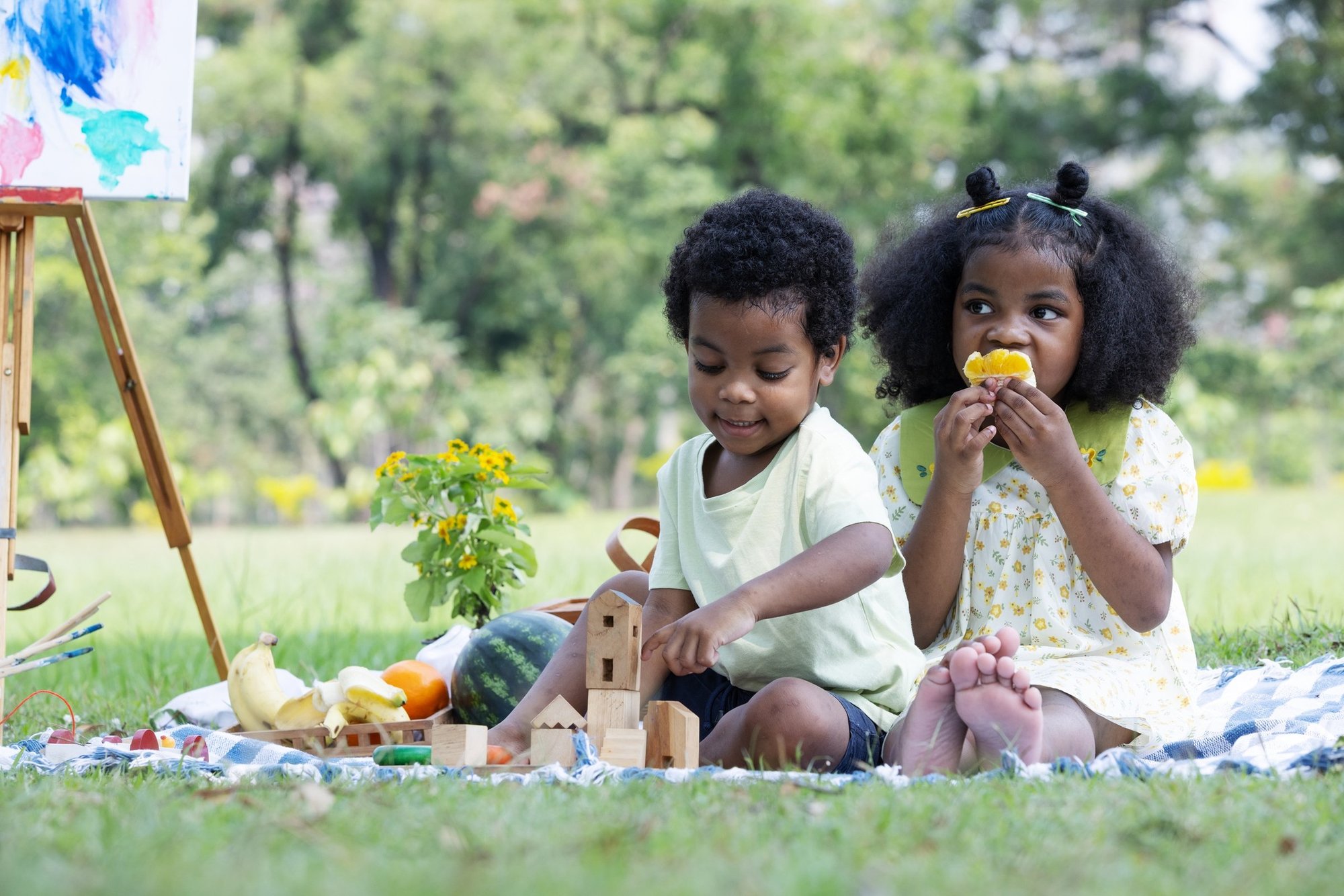
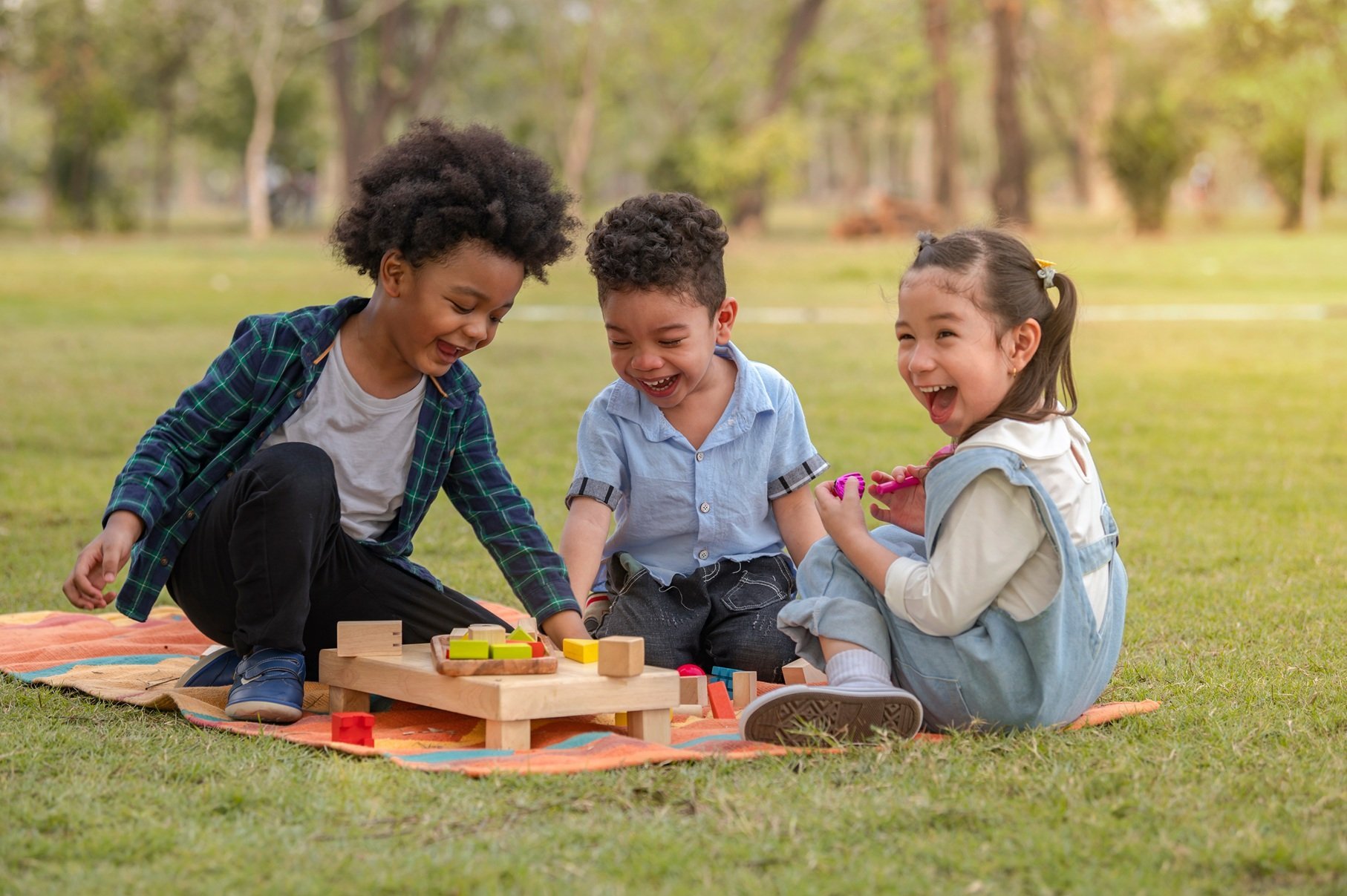
A child stacking blocks is doing some of the most sophisticated thinking their brain can do
Watch a child building a block tower sometime — really watch. They're holding a mental image of what they want to make. They're adjusting their plan as pieces fall. They're deciding, with each block, how much risk is worth taking. And when the tower topples, they're managing the frustration and deciding whether to start again.
None of this looks like learning. It looks like playing. The cognitive work involved — holding a goal in mind, adapting to obstacles, managing an emotional response, persisting — is some of the most sophisticated thinking a young brain does.
This cluster of capacities has a name. And understanding it helps explain quite a lot about why some children seem to navigate demands and setbacks with more ease than others — and what conditions tend to support that development.
Executive function is the set of mental skills that help children manage their own thinking, impulses, and plans
Executive function is a broad term for the set of mental processes that help a person manage their own thinking and behaviour. It includes working memory — the ability to hold information in mind while using it — alongside the capacity to plan, to shift attention flexibly, to inhibit impulses, and to regulate emotional responses (2). These capacities are primarily associated with the brain's frontal regions, which continue developing well into early adulthood. In childhood, this system is still very much under construction.
A growing body of developmental research points to the quality of a child's early environment — particularly the responsiveness of caregiving and the richness of play — as playing a significant role in how robustly these systems develop (1, 2). This part of the brain appears to be particularly sensitive to experience during early childhood, meaning that the environments children inhabit in their earliest years tend to shape this system in lasting ways.
Executive function is a collection of related capacities that develop together, gradually, through repeated experience. The child who can wait their turn, remember the rules of a game, and recover from a setback without falling apart is exercising several of these capacities at once.
The relationship between play and executive function has attracted significant research attention. A comprehensive review found that play — particularly social and pretend play — is associated with executive function development, though the reviewers noted that the causal mechanisms remain an active area of investigation (3). What appears clear is that play provides repeated, embedded practice in the kinds of mental flexibility, impulse management, and social negotiation that underpin executive capacity.
What executive function looks like in everyday life — and why it matters beyond the classroom
Executive function shows up in the texture of daily life in ways that are easy to miss. It's the child who can hold a recipe instruction in mind while measuring ingredients. It's the child who can stay with a complicated game long enough to understand its logic. It's the child who, when a plan goes wrong, can pause, reorient, and try something different rather than shutting down.
These capacities matter well beyond academic performance. Executive function skills in early childhood are associated with later outcomes in areas ranging from learning and relationships to health and wellbeing (1, 2). Just because the ability to manage one's own thinking and emotional responses is useful in almost every domain of life.
What many parents and educators find reassuring is that these capacities can be nurtured — and that the most effective contexts for nurturing them tend to be familiar ones. Cooking together, building things, playing outdoors, moving through unstructured games — in many important ways, they are development.
Many cultures have always developed executive function through community participation
In Indigenous Māori communities in Aotearoa New Zealand, children have traditionally developed executive capacities through participation in communal life — caring for younger siblings, contributing to shared responsibilities, learning through observation of elders and participation in group rituals. The planning, memory, patience, and emotional regulation involved in these roles are exercised in contexts that are relational and meaningful, rather than instructional or measured.
This is a useful counterpoint to how executive function tends to be framed in many Western educational contexts — as an individual skill set to be assessed and trained. The Māori model, and many similar traditions elsewhere, suggests instead that these capacities develop naturally when children are genuinely participating in the life of a community, with real responsibilities and real relationships.
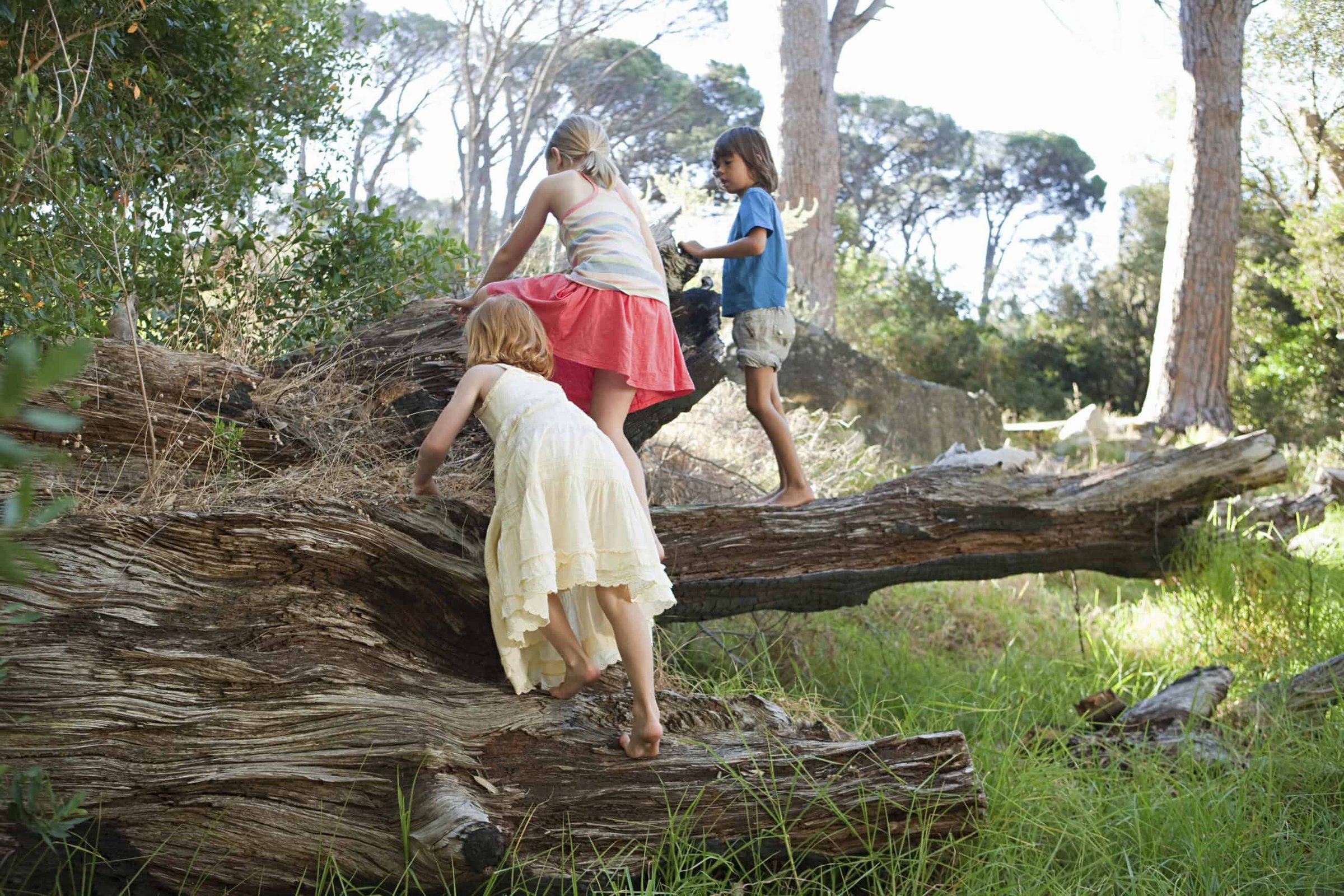
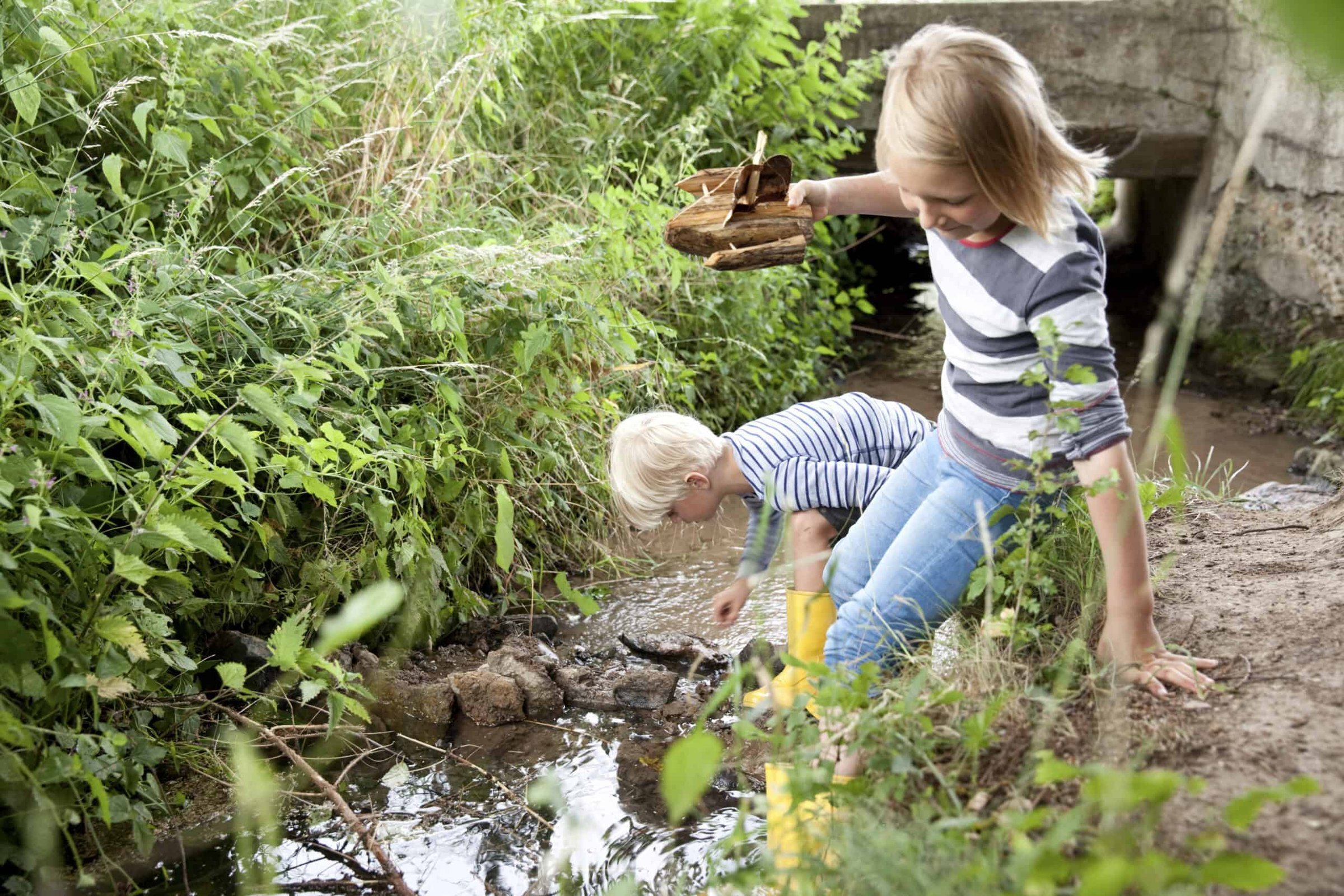
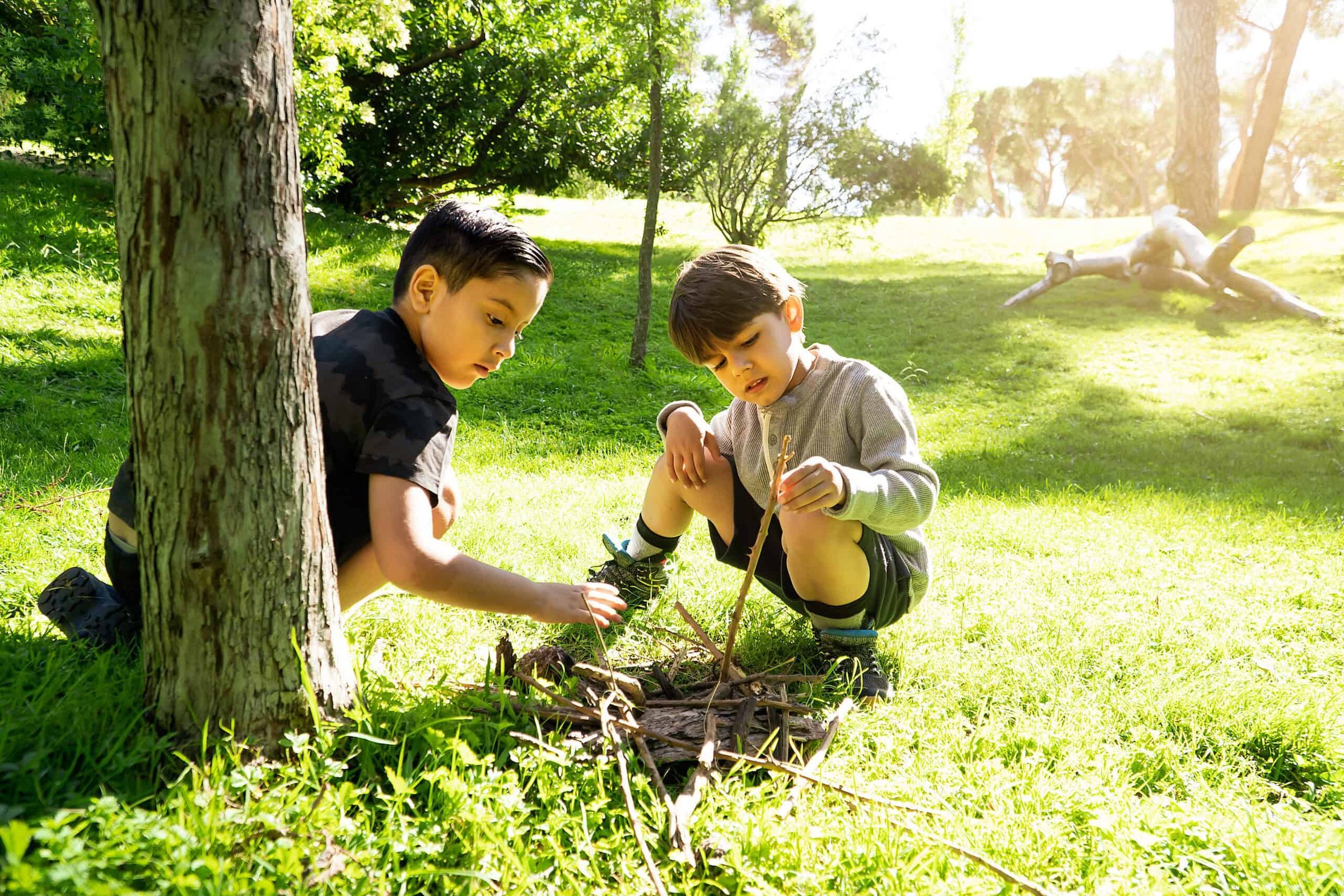
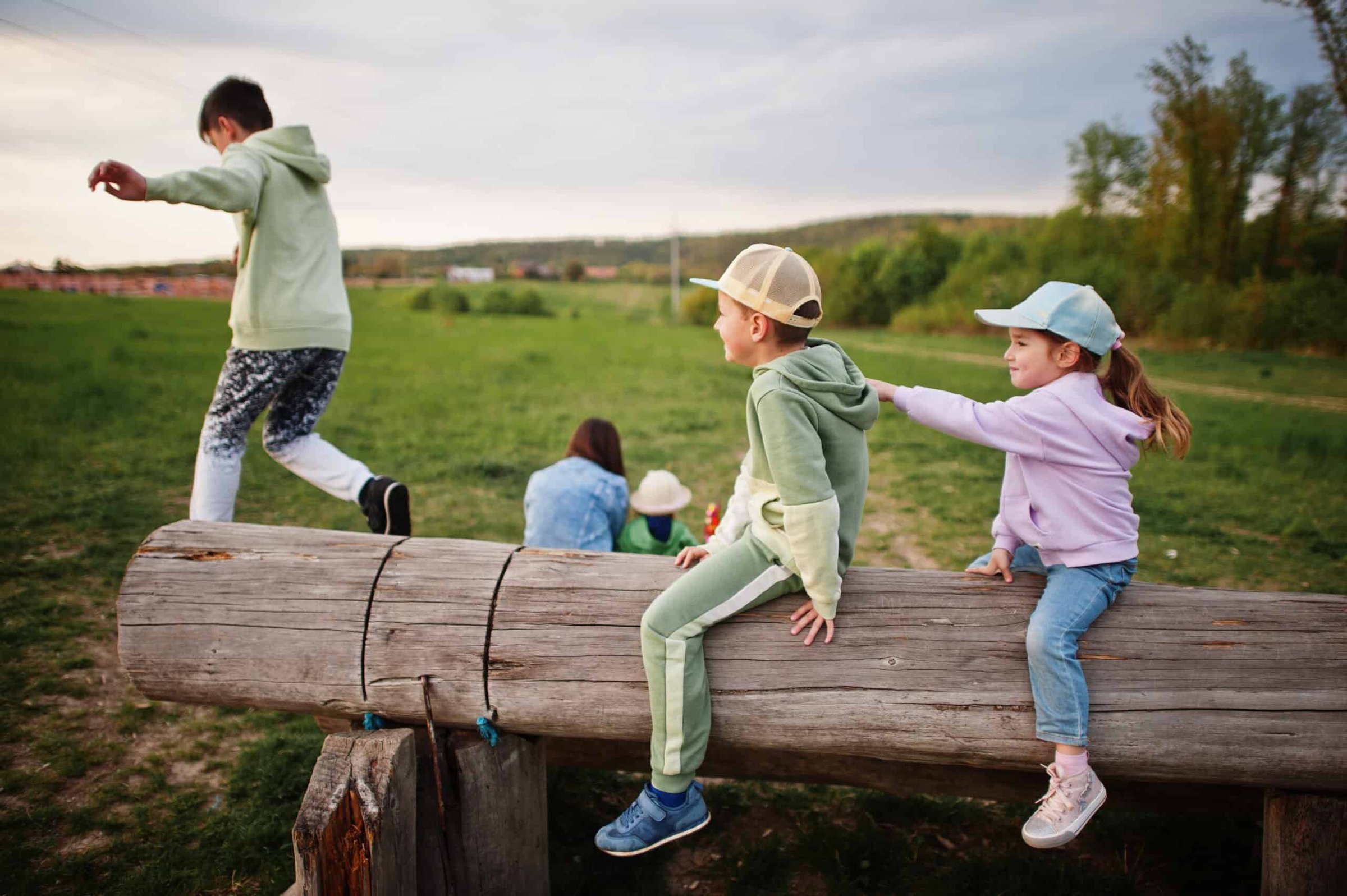
Nature-based environments offer something similar. Exposure to natural settings supports the restoration of attentional resources — reducing the kind of mental fatigue that accumulates in structured, demanding environments (4). Unstructured outdoor play adds its own dimension: navigating uneven ground, building structures from natural materials, managing risk in open spaces creates conditions rich in the moment-to-moment cognitive challenge that appears to support executive development.
The environments many children now inhabit work against the conditions that build executive function
There is a tension worth naming in how many children's lives are currently structured. Executive function develops most robustly through unstructured, self-directed, embodied, and relational experience — through the kind of play where children make decisions, encounter obstacles, and navigate the unpredictability of real environments and real other people.
Yet many of the environments children now spend significant time in tend to work against these conditions. Heavily scheduled days leave little room for open-ended play. Screen-based entertainment tends toward passive consumption. Toy design has increasingly moved toward pre-programmed responses that reduce the cognitive work the child needs to do. And performance pressure in educational settings can prioritise measurable outcomes over the quieter, less visible developmental work that play provides.
There is no simple solution. Many families are navigating real constraints — time, space, resource, the demands of work and care. It's worth naming the lack of balance between what developing brains appear to need and what the current shape of childhood tends to offer, because the responsibility for that mismatch doesn't lie with individual families.
What tends to help — some patterns worth knowing and why theydon'trequirespecialist knowledge
The conditions that appear to support executive function development in children are, for the most part, not complicated or expensive. They cluster around a quality of engagement — environments that invite decision-making, adults who make their thinking visible, and enough unstructured time for children to encounter and work through genuine challenges.
Some patterns that many families and educators have found useful to support executive function development:
Think aloud around children. Adults who narrate their own reasoning — 'I'm going to check the recipe before I start so I know what we need' — appear to give children a model for how organised thinking sounds and feels. Many parents find that this happens most naturally during cooking, building, gardening, or problem-solving together. The modelling just needs to be present (1).
Favour simple, open-ended materials. Lots of researchers have found that play with materials requiring children to direct the activity themselves — blocks, loose parts, art materials, natural objects — tends to engage executive capacities more richly than play with pre-programmed responses. When the cognitive work is in the child's hands, the engagement seems to be deeper. This applies outdoors too: sticks, mud, water, and uneven terrain invite a different quality of thinking than a smooth, predictable surface (3).
Protect time for unstructured play. Play that children direct themselves — particularly physical, social, and outdoor play — can offer repeated practice in the core components of executive function: planning, impulse regulation, flexibility, and emotional recovery. Many families find that the most beneficial thing they can do is simply ensure this kind of time exists, without filling it (2, 3).
Let childrenencountermanageable frustration. Executive function develops partly through the experience of encountering a problem, tolerating the discomfort of not immediately knowing the answer, and working through it. Environments where adults step in quickly to resolve difficulty — however well-intentioned — can to reduce this practice. The adult's role is often more about staying present and regulated than about solving the problem (2).
Bring movement and nature into routine. Physical play and time in natural outdoor environments both appear to support the emotional regulation and attentional capacities central to executive function. Natural environments help restore the directed attention that demanding cognitive tasks deplete — creating conditions where children can re-engage more fully with what comes next (4).
Adults who help most aresimply present and letting childrenencounterreal challenges
Executive function is built in the gaps — in the moments between one thing and the next, when a child has to decide what to do, hold a thought in mind, resist an impulse, or try again after something didn't work. These moments are everywhere in childhood play. They are, in a sense, what play is for.
The adults who support this development most effectively are often the ones who are simply present — who think aloud when they're working through something, who let children encounter problems without rushing to resolve them, and who create environments that are rich enough in possibility that genuine engagement keeps happening.
That kind of support mostly requires time, a little patience, and the understanding that the child stacking blocks — concentrating, adjusting, recovering from the topple — is doing something genuinely important.
[3] Lillard AS, Lerner MD, Hopkins EJ, Dore RA, Smith ED, Palmquist CM. The impact of pretend play on children's development: a review of the evidence. Psychol Bull. 2013;139(1):1–34. https://doi.org/10.1037/a0029321
[4] Berto R. The role of nature in coping with psycho-physiological stress: a literature review on restorativeness. Behav Sci. 2014;4(4):394–409. https://doi.org/10.3390/bs4040394