Every family encounters difficulty. What varies enormously is how families move through it — whether setbacks leave lasting damage or become part of a story of adaptation and growth. That capacity, often called emotional resilience, is something that develops — shaped by relationships, habits, and the conditions a family lives within (3, 5).
Resilience in families appears to work at multiple levels at once: in the individual parent, in each child, and in the relational fabric of the family as a whole. These levels are deeply interconnected — a parent's capacity to regulate their own emotional responses tends to support their children's development, and a family's shared routines and rituals appear to provide scaffolding for everyone's ability to cope.
This article explores what research suggests about how resilience develops, and some patterns many families have found helpful.
Some families absorb difficulty without being destroyed by it
There are families who seem to absorb difficulty without being destroyed by it. A job loss, a child's diagnosis, a bereavement, a sustained period of stress — they experience these things fully, and they are changed by them. Yet they don't fall apart. They find a way through, often together, and they carry something from the experience that makes them more capable.
And there are families who are undone by what look, from the outside, like smaller things. A disrupted routine, an argument that escalates into weeks of distance, a child's difficulty at school that becomes everyone's difficulty at home. The challenge isn't necessarily larger but something is different about how it lands.
That difference is very well understood. It tends to come down to what researchers call resilience, and more specifically, to the conditions that allow it to develop.
Resilience has both a neurological and a relational dimension — and both are shaped by experience
A growing body of work suggests that emotional resilience — the capacity to navigate difficult emotions, recover from adversity, and adapt to challenge — has both a neurological and a relational dimension. At the brain level, resilience is associated with the brain's capacity to regulate emotional responses, support problem-solving, and maintain a degree of cognitive flexibility under pressure. This capacity appears to be shaped by experience and to continue developing across the lifespan.
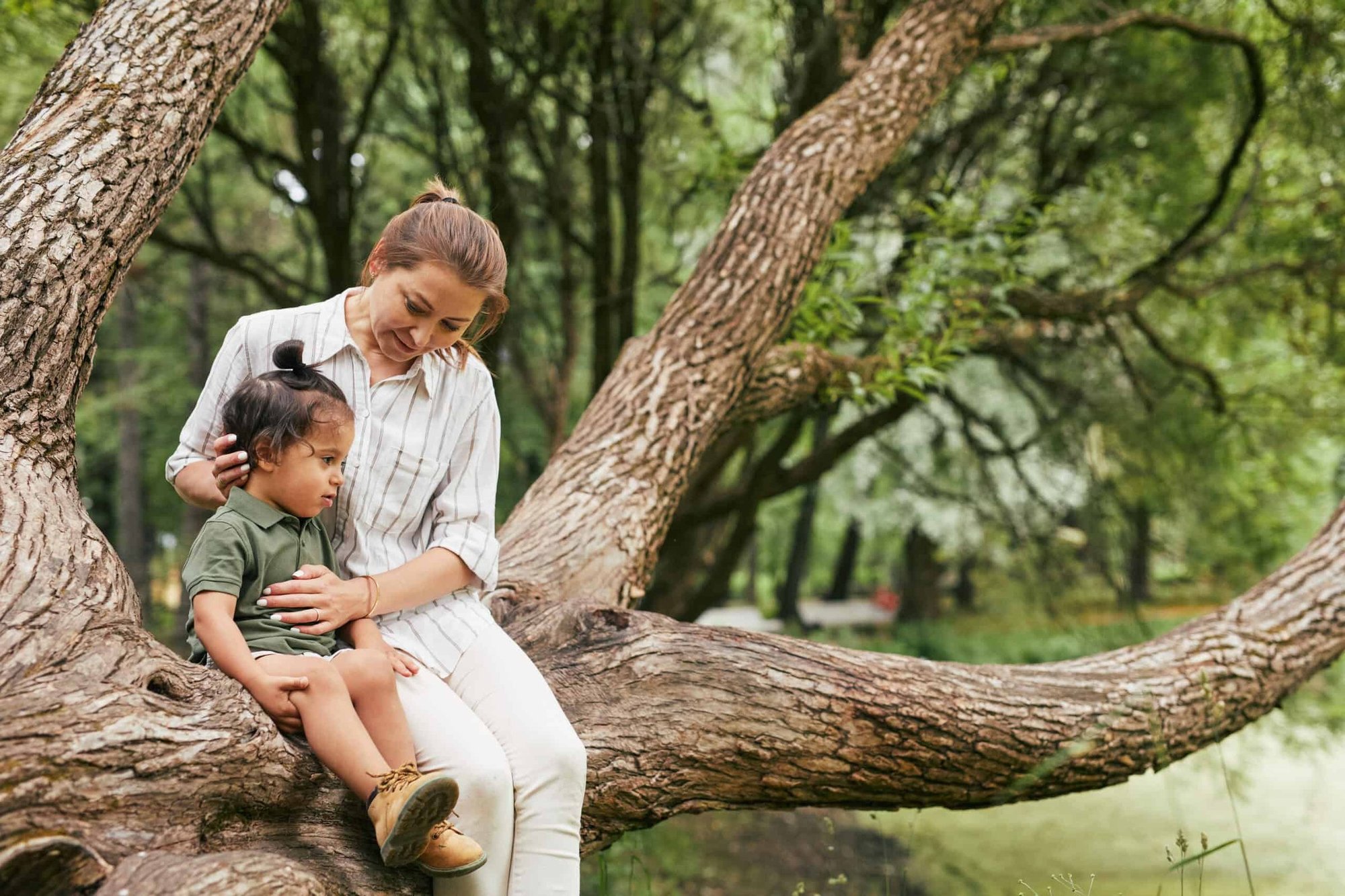
Some research also suggests that the relational environment around a child plays a significant role in how resilience develops. Children who experience consistent, emotionally available caregiving usually develop stronger self-regulation over time — simply because they have experienced, repeatedly, what it feels like to be regulated and soothed by someone else (3, 5).
Resilience is built in the small recurring moments between crises — the daily habits, the way a parent responds when something goes wrong, the tone of conversations about difficulty, the rituals that say: we do this together.
Research also points to the particular value of resilience for parents themselves. Studies suggest that emotionally resilient parents experience lower levels of burnout, are better equipped to maintain consistent and warm parenting under pressure, and tend to model coping strategies that children gradually absorb (2, 4). The parent's own resilience is not separate from the child's — it is actually the opposite and the two develop in relationship with each other.
What resilienceactually looksand feels like — for parents, for children, and in the everyday moments between them
For parents, resilience tends to involve a particular orientation toward their own experience — something researchers sometimes call self-compassion. This is different from toughness or positivity. It's the capacity to recognise one's own struggles without either dismissing them or being overwhelmed by them, to treat oneself with the same basic care one would extend to a friend in difficulty. This attitude is associated with reduced burnout and increased capacity to remain emotionally present for children, particularly in demanding caregiving contexts (4).
For children, resilience tends to develop through the gradual accumulation of experiences that teach them: difficult feelings pass; challenges can be navigated; the people who love me are still here after hard moments. This accumulation happens in ordinary daily life — in how a parent responds to a child's frustration, in whether a child is helped to name what they're feeling or whether difficult emotions are avoided, in how setbacks are discussed around the dinner table.
A growth mindset — the understanding that effort and persistence matter, that failure is part of learning rather than evidence of fixed inadequacy — appears to be one of the cognitive frameworks that supports resilience in children (1). It develops less through being told about it and more through experiencing adults who embody it: who try again after things go wrong, who talk openly about difficulty without catastrophising, and who celebrate effort rather than only outcome.
How different traditions understand resilience — and why they alllocateit in community and relationship
In South African Ubuntu philosophy, the phrase 'I am because we are' describes a fundamentally relational understanding of the self — one in which a person's wellbeing and identity are inseparable from their connections with others. Resilience, in this frame, is is something that emerges from, and is sustained by, community and belonging.
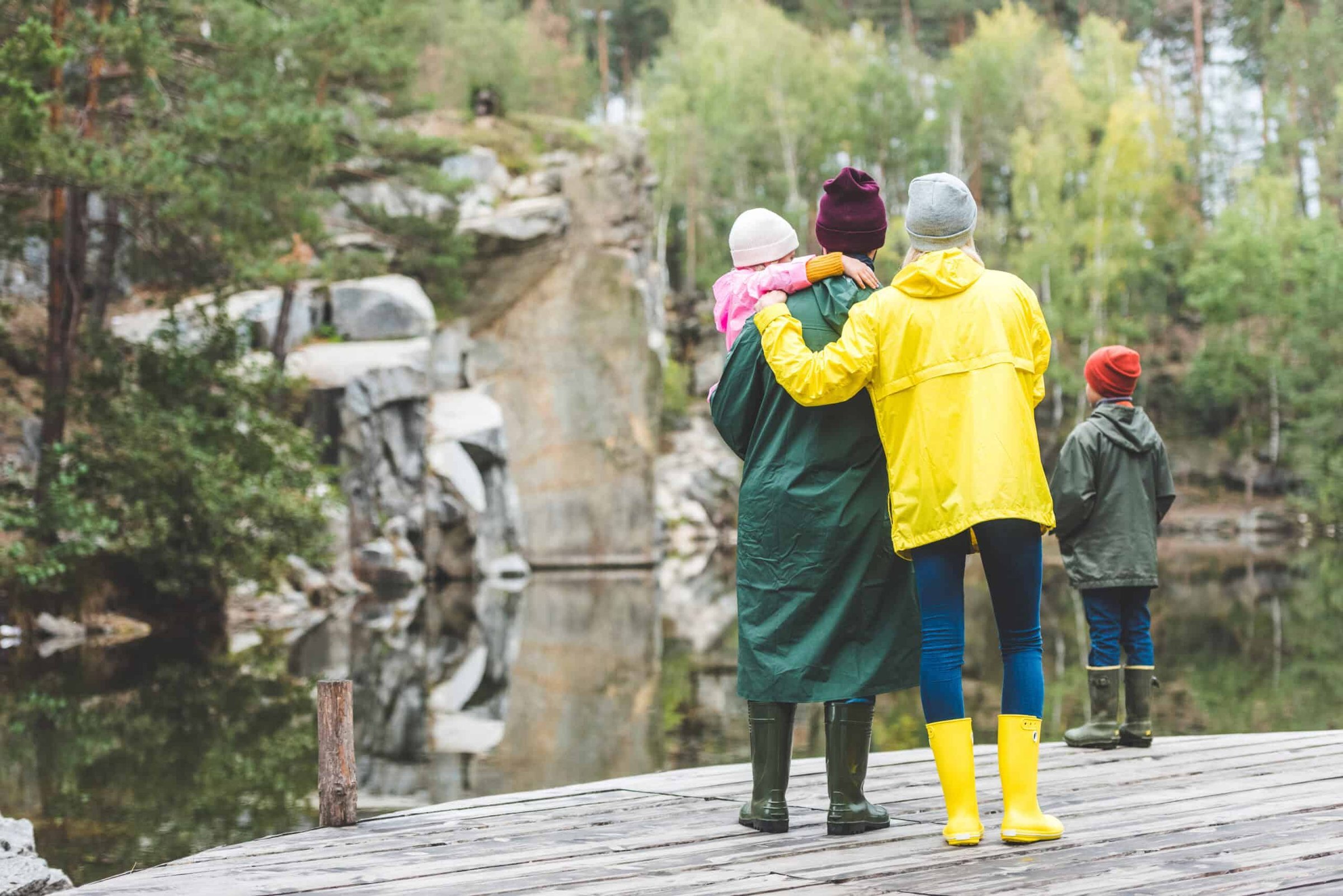
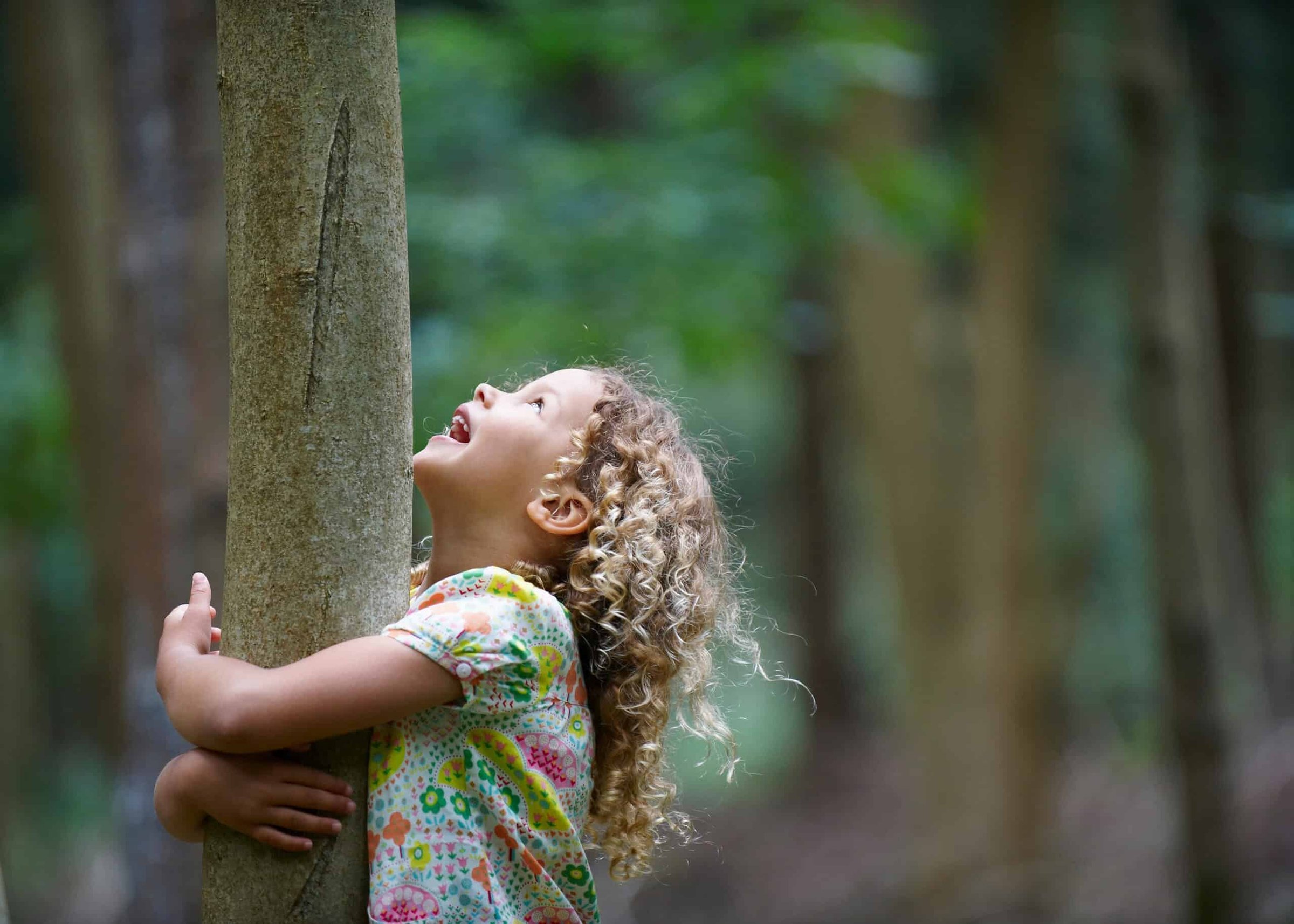
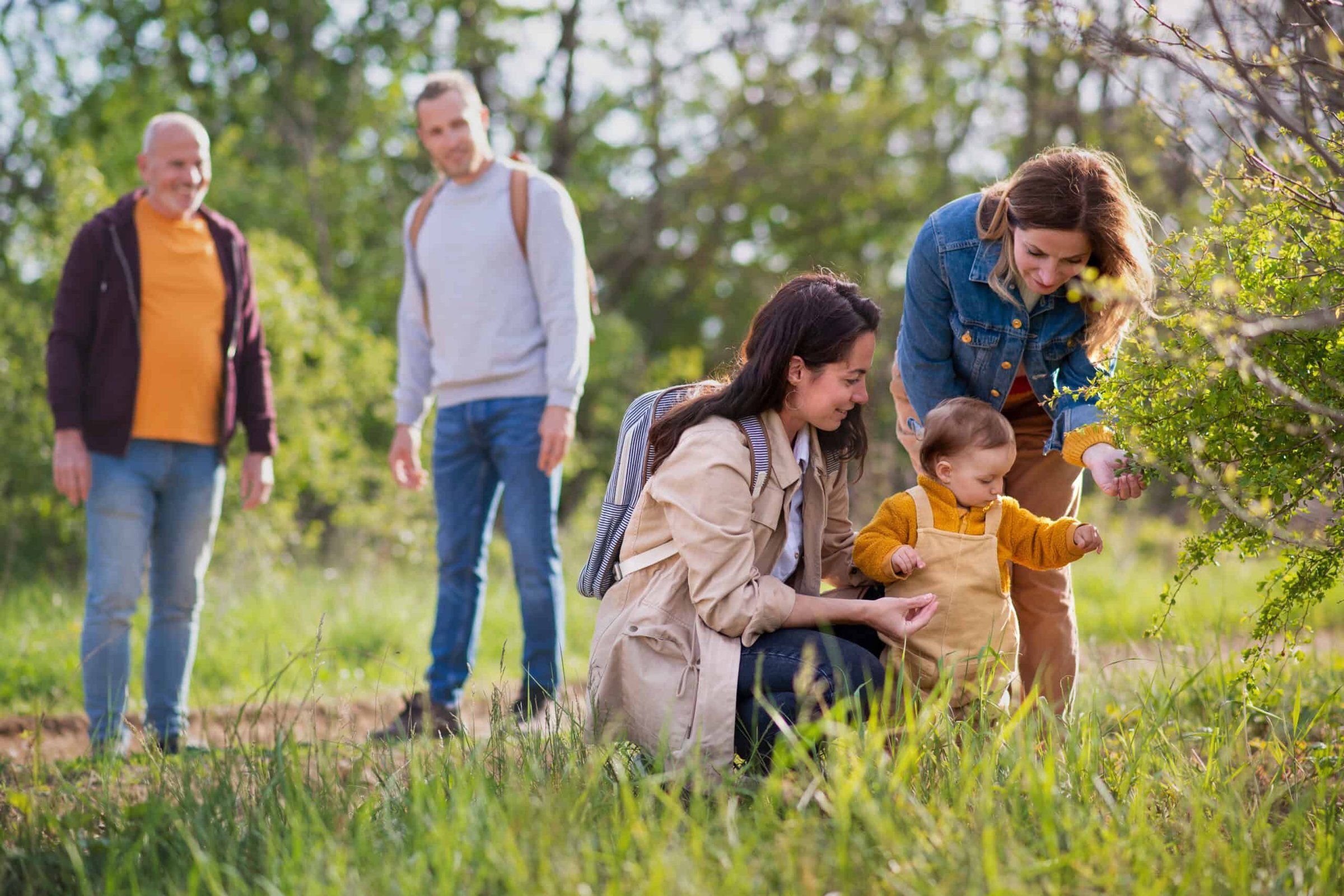
Many Indigenous traditions offer a similar understanding — that the natural world provides a kind of relational anchoring that supports emotional regulation. Japanese shinrin-yoku (forest bathing) is perhaps the best-known contemporary articulation of this, but the underlying insight is widely known: that spending time in natural environments — forests, coastlines, open land — appears to support the recovery of attentional resources and the reduction of physiological stress in ways that built environments tend not to.
What these traditions share is a recognition that resilience grows in context. It is something that emerges when the conditions around people — relational, cultural, ecological — are sufficient to sustain it.
The conditions resilience needs — and why asking struggling families to build more of it can add burden rather than support
There is a particular difficulty in how resilience is often presented: as though it is something individuals can simply decide to develop, through practice and intention, regardless of the circumstances they're living within. The implication is that families who struggle to be resilient are somehow failing to apply themselves sufficiently.
The research picture is more complicated. Resilience appears to emerge most readily in conditions of sufficient safety, support, and predictability. For families navigating chronic stress — financial precarity, housing insecurity, social isolation, a child with complex needs — the conditions that support resilience are often precisely what is in short supply. Asking these families to simply build more resilience, without addressing the conditions that are depleting it, tends to add burden rather than provide support.
Research on family resilience in high-stress contexts points specifically to the importance of external support: professional help when needed, community connections, practical assistance, and systemic resources (3, 5). Resilience in families is built (or depleted) by the families themselves and by the environments those families live within.
Whatcouldhelp — some patterns worth knowing across the three levels of parent, child, and family
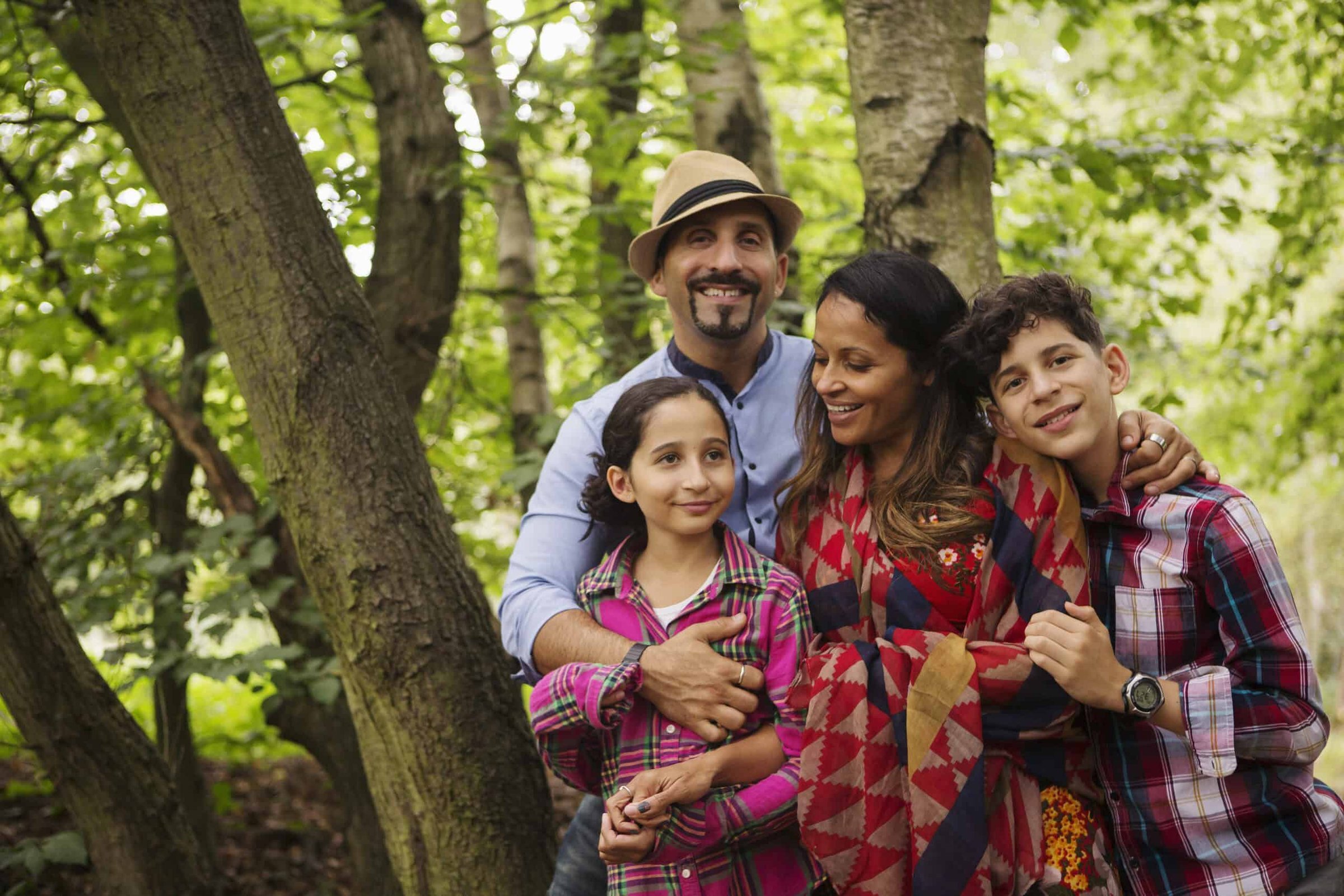
The conditions that support emotional resilience in families are interconnected. Parents who are more regulated tend to support more regulated children; families with reliable routines and open communication tend to navigate individual difficulties with more collective capacity; children who have emotional vocabulary tend to manage emotional experience more flexibly. These things build on each other over time.
Some patterns that many families have found useful to support emotional resilience across the three levels of parent, child, and family together:
For parents: self-compassion as a foundation. Parents who are able to treat their own difficulties with kindness — recognising struggle without excessive self-criticism — experience lower burnout and are better able to remain emotionally available for their children (4). This is about having sufficient internal space to keep going. For many parents, building this capacity is at least as important as any strategy they might offer their children.
For parents: reaching toward support rather than away from it. Research on family resilience consistently points to social support as a significant protective factor (5). For many parents, the instinct when struggling is to manage alone rather than reveal difficulty. Families who find ways to maintain connections — with friends, family, community, professional help when needed — tend to weather sustained pressure better than those who face it in isolation.
For children: building emotional vocabulary. Children who can name what they are feeling usually manage emotional experience more flexibly than those who cannot. This doesn't require formal teaching as it develop through adults modelling the naming of feelings in daily life, through stories that discuss emotional content, and through conversations that treat emotional experience as real and discussable rather than something to move past quickly (1, 2).
For children: experiencing recovery. Resilience in children appears to develop partly through the experience of navigating manageable difficulty and recovering — with support. The instinct to shield children from all discomfort tends to reduce rather than build resilience. What seems to matter is the availability of support through difficulty: someone who remains calm alongside them, who helps them make sense of what happened, and who communicates that difficult things pass.
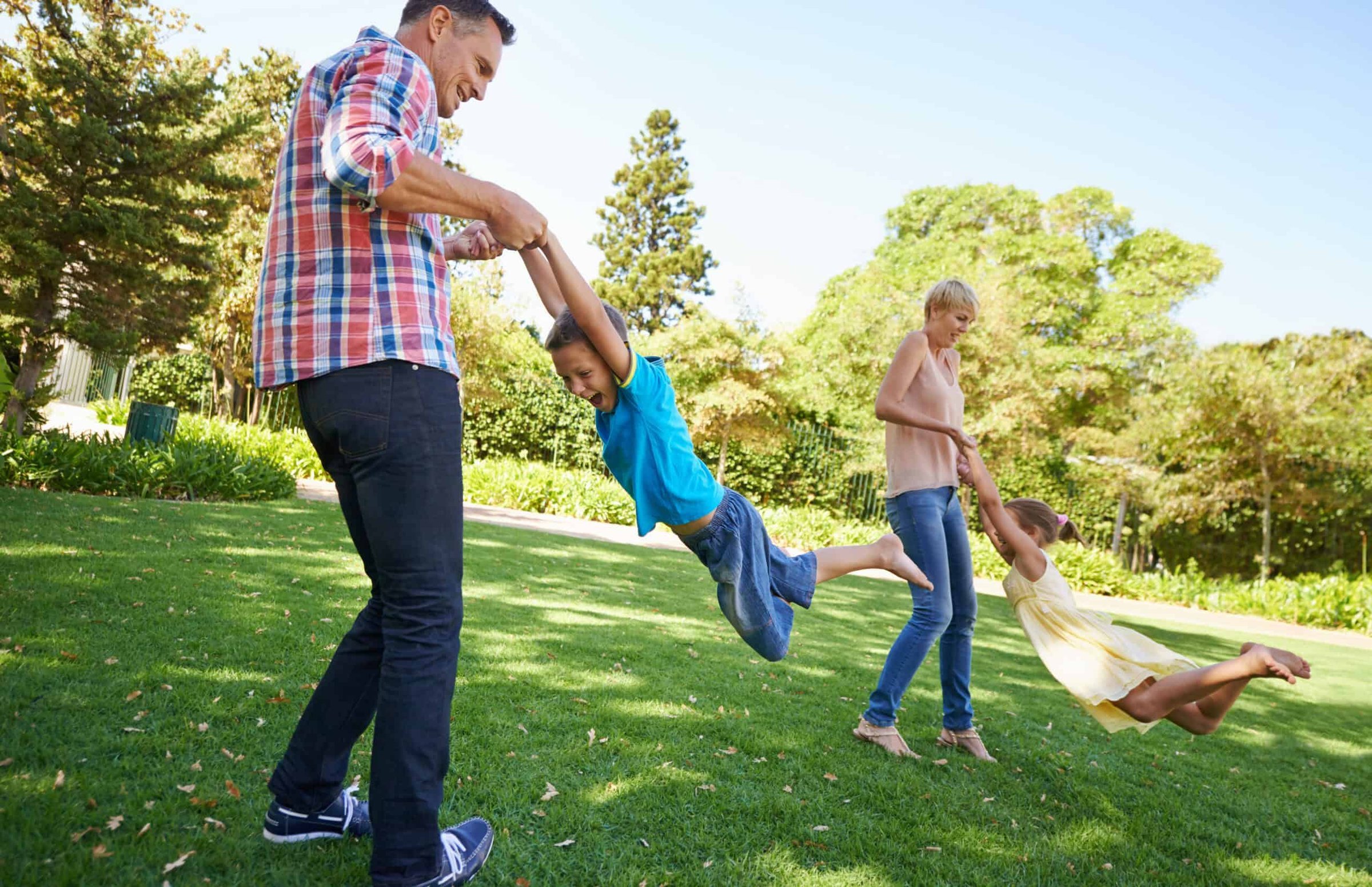
For families together: routines and rituals that hold. Regular, predictable family routines — shared meals, consistent bedtimes, small weekly rituals — provide a structural stability that appears to support emotional regulation for everyone in the family (3). These routines are particularly valuable during periods of stress or disruption, when the external environment is less predictable. Some families find that including nature-based rituals — a regular walk, time in a garden, seasonal outdoor activities — adds a particular quality of restoration to this rhythm.
For families together: open conversation about difficulty. Families in which difficulty is named and discussed with honestly tend to develop a shared narrative capacity that supports resilience over time. When children see adults acknowledge struggle, seek help, and recover, they are building a template for how difficulty is handled. This modelling could do more for children's resilience than any direct instruction about how to be resilient.
A legacy worth passing on — the daily, imperfect work of presence builds something that travels further than any single intervention
Resilience that develops within a family tends not to stay within it. Children who grow up in families where difficulty is navigated with honesty and care carry something forward into the families they will one day form — a set of habits, orientations, and relational patterns that they absorbed before they had words for them.
It's a reassurance. The daily, imperfect, ordinary work of being present through difficult moments — staying in the room, naming what's hard, recovering after ruptures, maintaining the small rituals that say we are still here together — builds something that lasts longer than any single intervention.
Families don't need to be perfect to build resilience. They need to be present, honest, and willing to keep going. Most families, most of the time, are already doing this. They may just need to know it counts.
References:
[1] Ginsburg KR, Jablow MM. Building resilience in children and teens. Elk Grove Village (IL): American Academy of Pediatrics; 2005. https://doi.org/10.1542/9781581106190
[3] Herbell K, Breitenstein SM, Melnyk BM, Guo J. Family resilience and flourishment: well-being among children with mental, emotional, and behavioural disorders. Res Nurs Health. 2020;43(5):465–477. https://doi.org/10.1002/nur.22066
[4] Whiting M, Nash A, Kendall S, Roberts S. Enhancing resilience and self-efficacy in the parents of children with disabilities and complex health needs. Prim Health Care Res Dev. 2019;20. https://doi.org/10.1017/s1463423619000112
[5] Power J, Goodyear M, Maybery D, Reupert A, O'Hanlon B, Cuff R, et al. Family resilience in families where a parent has a mental illness. J Soc Work. 2016;16(1):66–82. https://doi.org/10.1177/1468017314568081