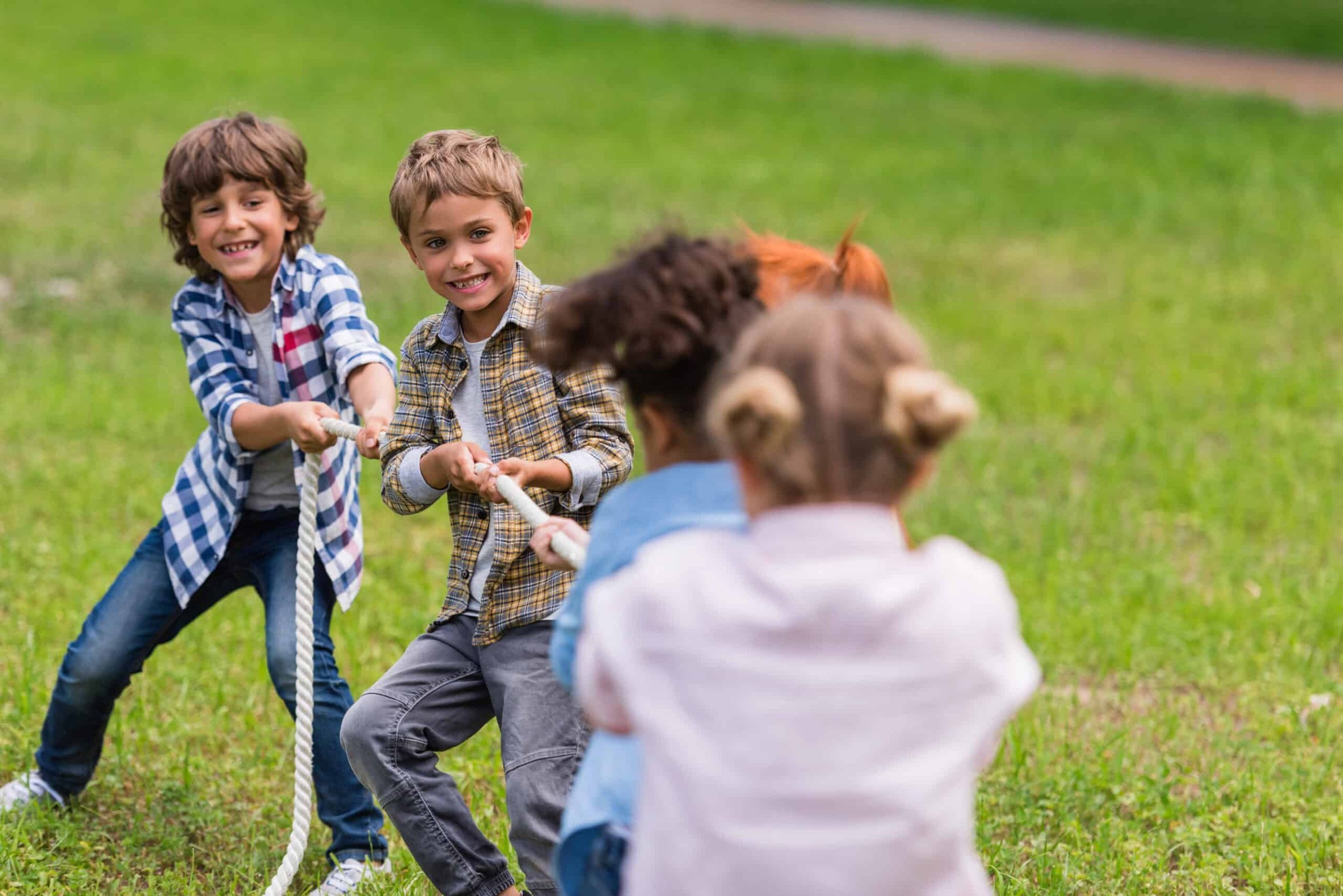
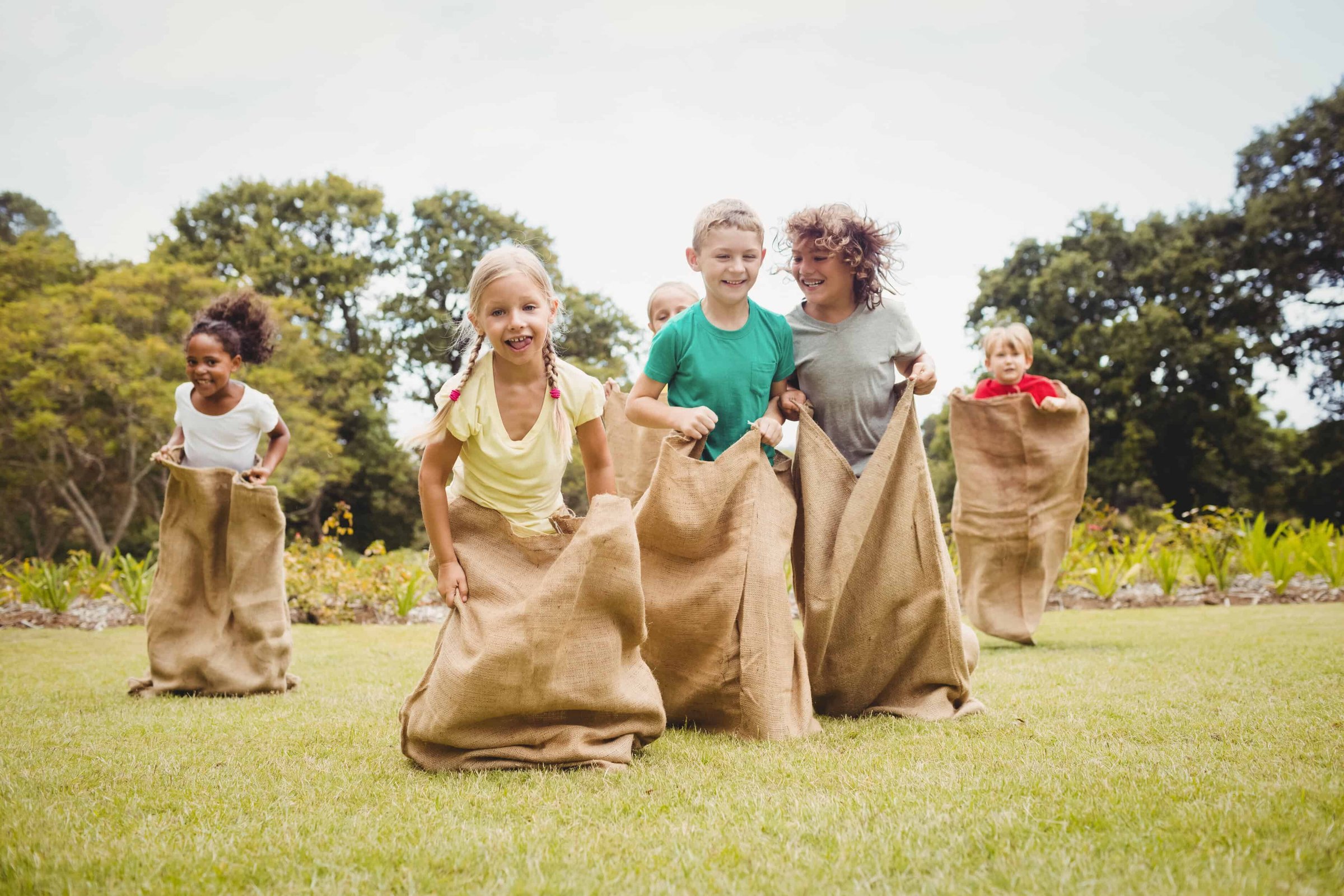
When a child picks up a stick and turns it into a sword, a wand, then a conductor's baton, something is happening that is considerably more sophisticated than it looks. In those few minutes, they are navigating imagination, physical coordination, symbolic substitution, and emotional engagement with a pretend world — all simultaneously, without noticing they are doing anything remarkable.
That is play. And researchers consistently find that it is the primary mechanism through which children build the neural architecture underpinning attention, memory, emotional regulation, and social understanding (4). Different forms of play — physical, creative, exploratory, social, dramatic, and more — each engage distinct systems and build distinct capacities (1).
This article explores what the research tells us about play's role in brain development, how different types of play each contribute something specific, and what tends to support the full range of play in children's lives.
The child turning a stick into a sword is doing something serious — and it looks nothing like work
In many classrooms and care settings, play tends to be treated as the opposite of learning — something squeezed into the margins between real activity, or curtailed when there are more important things to do. The child running outside is not studying. The child lost in pretend play is not building skills. The child who wants to wrestle and tumble is probably causing disruption.
This is a widespread assumption. It is also, consistently, what the research does not support.
Play is the primary way children build their brains. The activity that looks like freedom — undirected, embodied, imaginative, socially negotiated — is doing some of the most neurologically significant work of childhood. Understanding what that work is, and how many forms it takes, could change the way adults see what a child is doing when they play.
Play builds the brain directly — through synapse formation, executive function, and the emotional and social systems that underpin learning
When children play, neural connections form at a rate and complexity that few other activities match. A growing body of work suggests that play stimulates synapse formation — the connections between brain cells — especially in the early years, and that the richness and variety of play experiences directly shapes the quality and complexity of those connections (4). The more varied the play, the more varied, and more resilient, the developing brain.
Researchers have found that appropriate play — with parents, teachers, and peers — supports the development of social competence, emotional regulation, language, and the cluster of mental capacities known as executive function (4, 5). These are among the strongest predictors of how children navigate learning and relationships across their lives.
Play is the mechanism through which most of what children learn arrives. The child who appears to be 'just playing' is doing the most neurologically demanding work of their day.
There are many distinct forms of play — and each one builds something the others cannot fully replace
What researchers have mapped is not one thing called play but a broad family of activity types, each engaging different systems and producing different developmental outcomes (1).
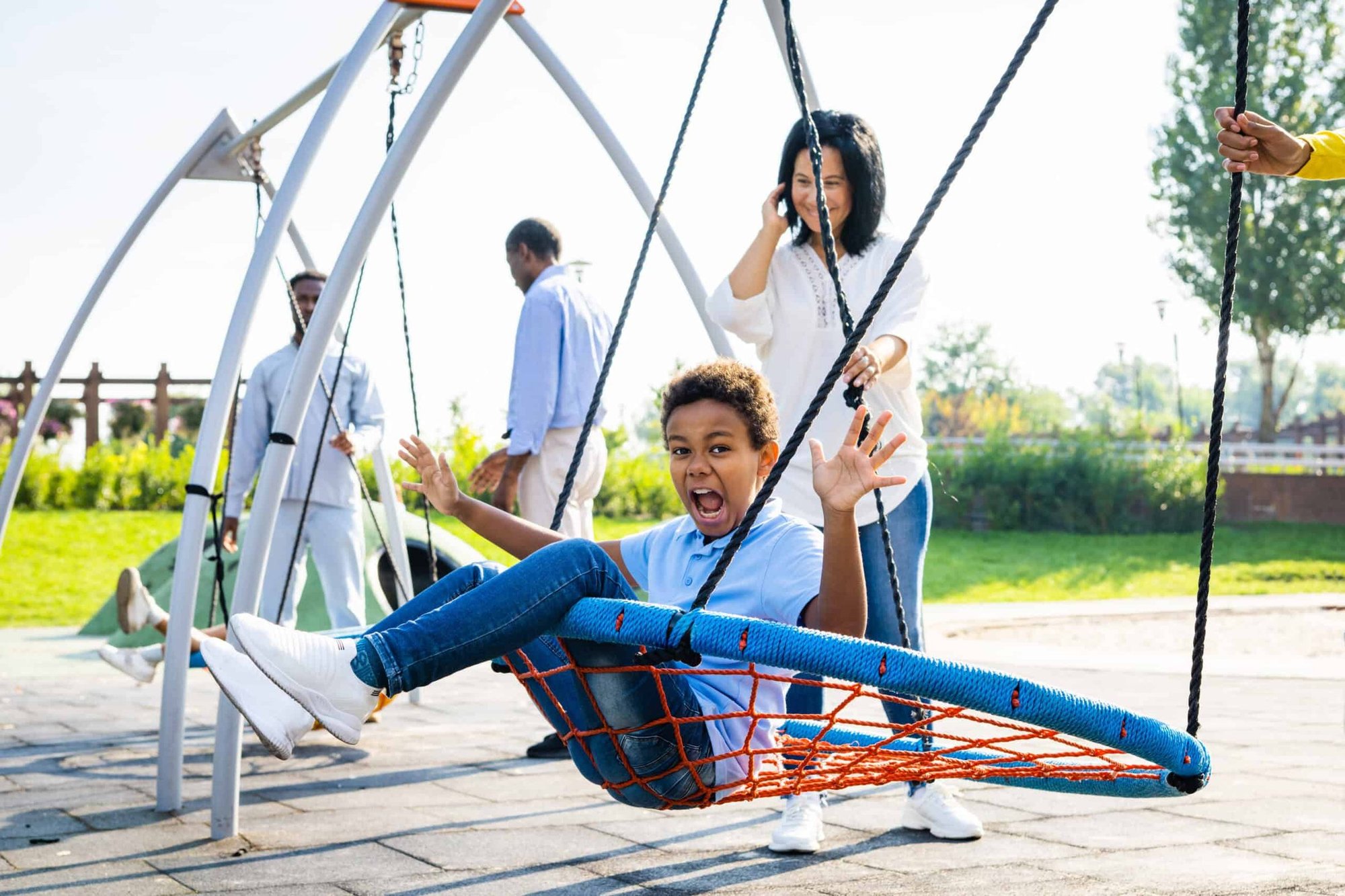
Physical and embodied play — running, jumping, climbing, outdoor exploration, rough-and-tumble — builds motor coordination, body awareness, sensory integration, and physical health. Time in physically demanding, varied environments appears to support balance, spatial reasoning, and the regulation of stress in ways that more sedentary activities cannot replicate (2).
Exploratory, constructive, and mastery play — taking things apart and reassembling them, building with blocks or loose parts, repeating a skill until it's mastered — builds curiosity, problem-solving, persistence, and the deep satisfaction of competence. Children playing in these modes are learning what the world is made of and how it can be rearranged (1).
Creative, fantasy, dramatic, and symbolic play — using a cushion as a wheel, becoming a superhero, staging a restaurant with sticks and mud, using objects to represent things they are not — builds imagination, emotional processing, and the capacity to hold multiple possibilities in mind simultaneously. Fantasy and dramatic play let children rehearse roles, relationships, and feelings in a space safe enough for the full weight of the emotion (1, 3).
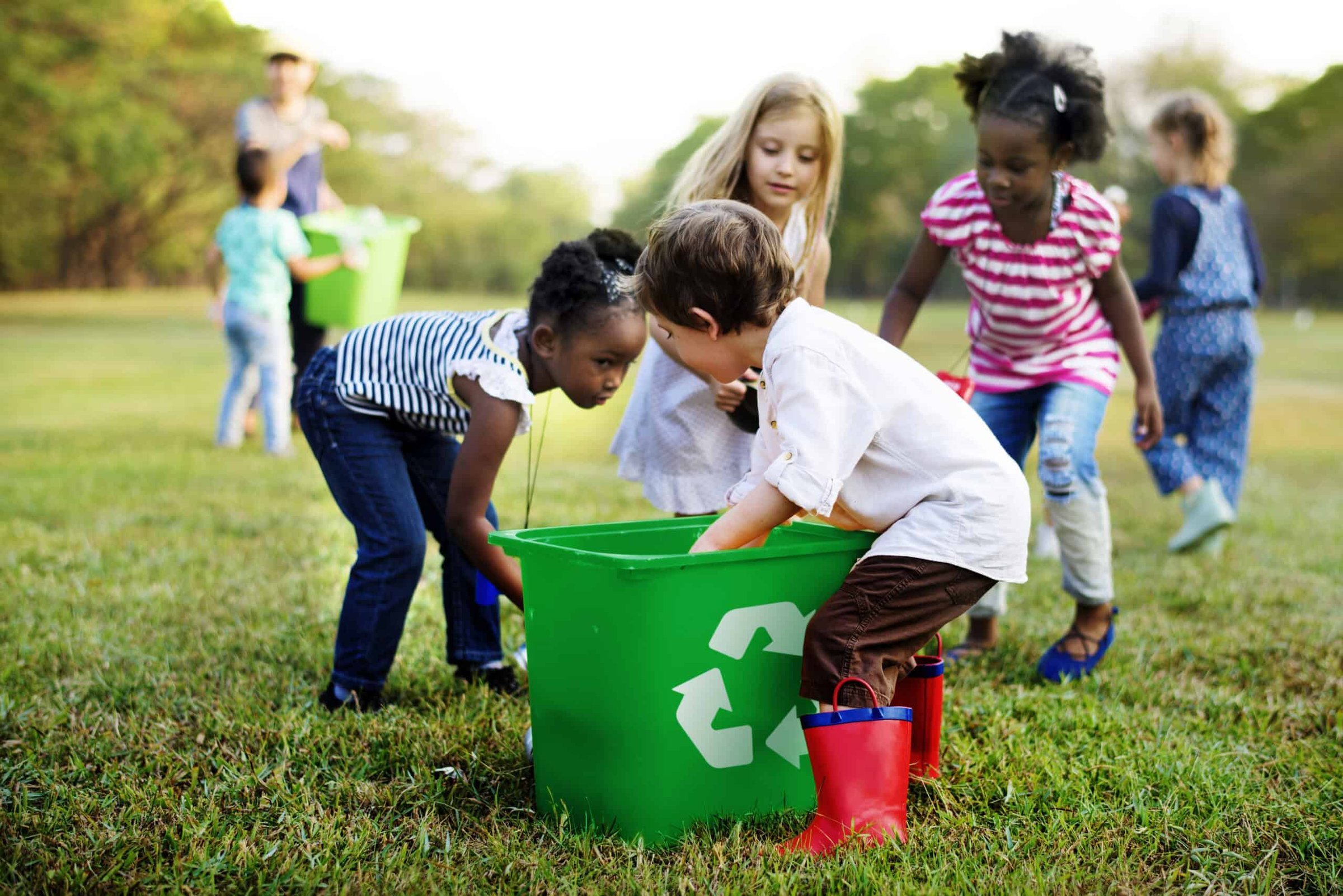
Social and communicative play — negotiating the rules of a game, building a club, playing with language through jokes and nonsense — builds perspective-taking, cooperation, language development, and an understanding of social conventions. These are the forms of play that make social life legible (2, 3). And deep play — balancing on a high beam, attempting something at the genuine edge of current ability — builds something that goes beyond skill: the experience of encountering real risk and discovering that it can be navigated (1).
Different culturesunderstand play differently — and formal education has often misread what children most need
In Finland, unstructured outdoor play is understood as foundational to learning. School days include extended recesses, and nature-based exploration is embedded in the rhythm of education. The developmental rationale is straightforward: children who move and play in varied environments tend to return to structured learning with more capacity.
In Japan, cooperative group play and shared games form part of how children learn to navigate social harmony and shared responsibility from an early age. Play here is there one of the primary vehicles of learning.
Both approaches reflect what developmental research also suggests: children develop most naturally through active, varied participation in the world. The environment tends to do much of the work when it is designed to support the full range of play. The gap between this understanding and what many formal educational settings actually provide — where play tends to be abbreviated, scheduled out, or replaced as children age — remains substantial.
Some of the most important forms of play are also the most consistently misunderstood — and suppressed
Rough-and-tumble play is among the most frequently misread. Wrestling, playful chasing, physical comedy, and mock-fighting are often interrupted by adults who interpret them as aggression. What tends to distinguish rough-and-tumble from actual conflict is visible to other children even when adults miss it: both participants are willing, engaged, and enjoying themselves. What this play builds — physical body awareness, understanding of force and shared space, emotional regulation in conditions of high arousal, trust between participants — is genuinely difficult to develop another way (1).
Deep play and mastery play carry a similar misunderstanding. The instinct when a child attempts something at the edge of their ability is often to step in and reduce the difficulty. The developmental case is for remaining calmly present instead, trusting the child's own calibration of manageable risk. Children who have the opportunity to work through genuine challenge — who experience the particular combination of fear and determination and eventual success — tend to develop a very different relationship with difficulty than those who are consistently protected from it.
The cultural bias toward quiet, sedentary, and easily observable forms of play tends to restrict the kinds of experience that many children — particularly those with higher physical and sensory needs — most require.
What adults can do to support the full range of play — mostly by enabling rather than directing
The research points toward an orientation more than a technique. Adults who support play most effectively tend to be those who understand its value well enough to protect it — who resist the pull toward over-scheduling, over-managing, and over-directing — and who know when to join in and when to step back.
Some patterns that many families and educators have found useful to support the full range of play:
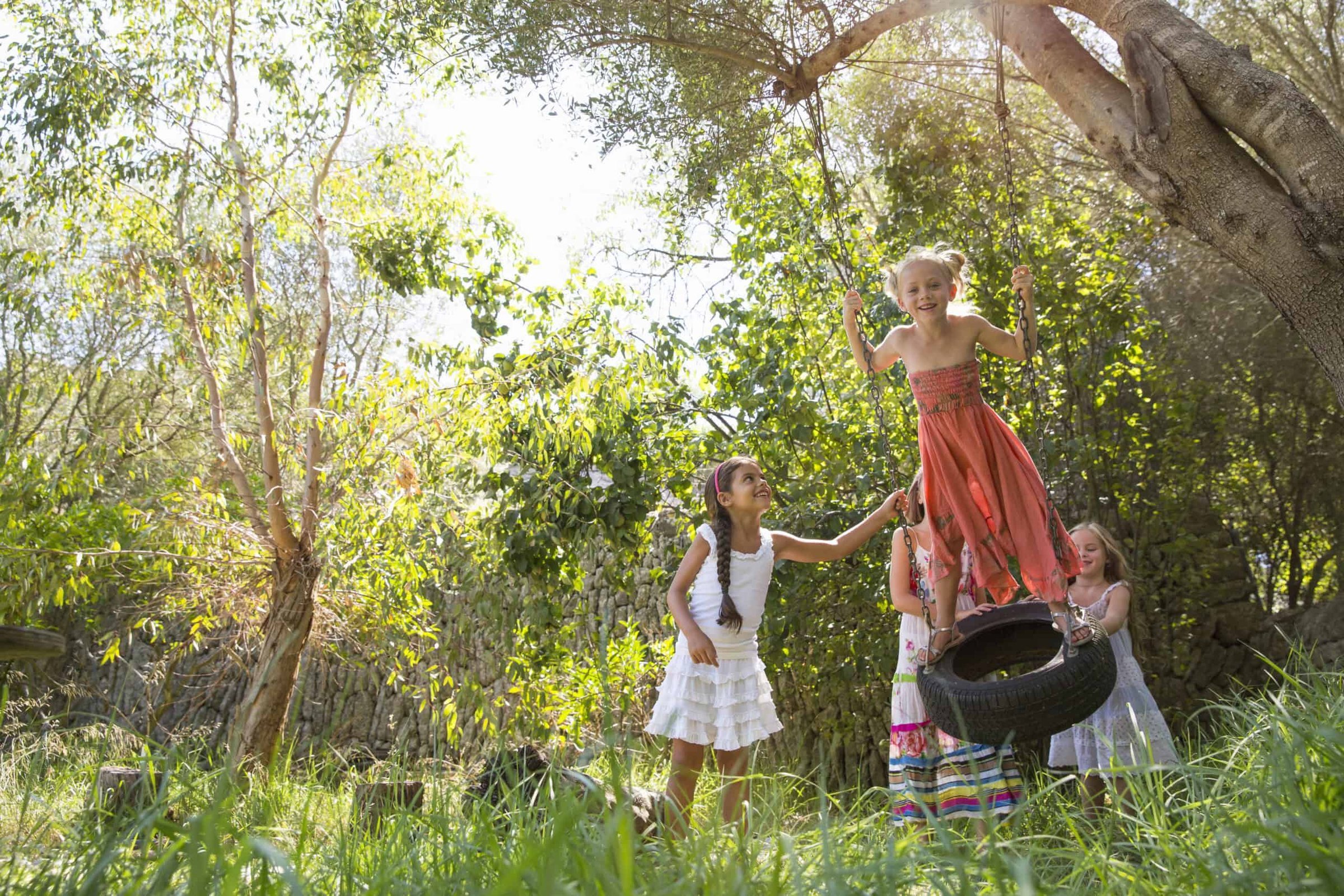
Vary theenvironments. Indoor and outdoor, structured and unstructured, quiet and physically active environments each invite different kinds of play. Natural outdoor settings tend to support the broadest range — inviting physical, exploratory, social, creative, and deep play all at once, often without any adult direction at all (2).
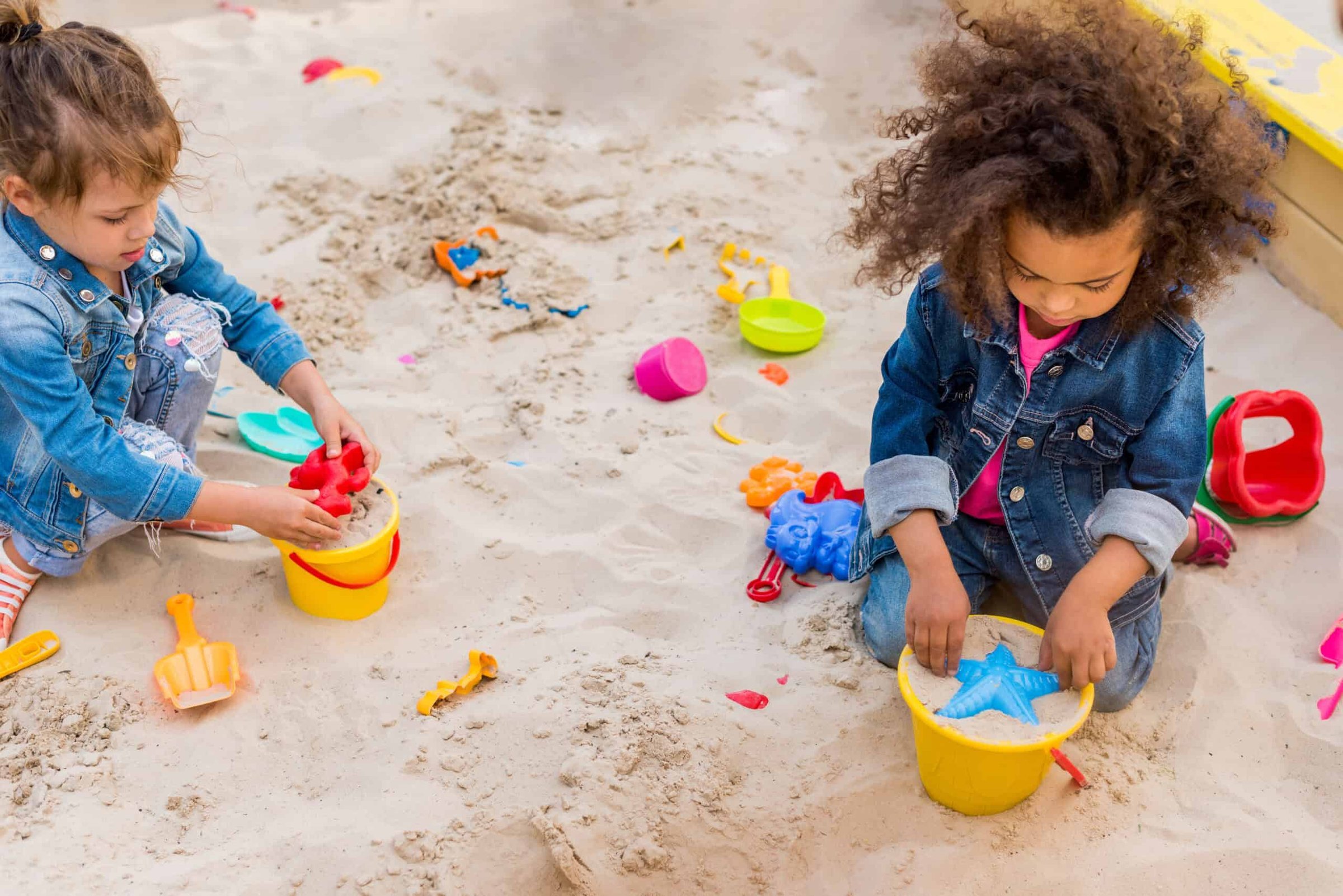
Offer materials thatdon'tdo the work for the child. Open-ended loose parts — sticks, blocks, fabric scraps, water, sand, natural objects — tend to generate richer and more sustained play than toys with pre-determined uses. When the cognitive and creative work is in the child's hands, the engagement tends to be deeper and more varied (2).
Participate, then step back. An adult's presence in play — following the child's lead, modelling genuine curiosity, responding rather than directing — could deepen the quality of the experience. The serve-and-return interaction that builds neural connection is most powerful when adults are genuinely engaged. The subsequent stepping back, leaving the child to continue independently, is equally important (4, 5).
Protect genuinely unscheduled time. Many neurologically significant forms of play emerge when children have enough open time that boredom becomes a creative problem to solve. Heavily programmed days tend to reduce the conditions for this. Some of the richest play tends to appear in the gap between one thing and the next, when a child has space to follow their own current.
Resistthe instinct to narrow what counts as play. Rough-and-tumble, deep play, and recapitulative play — children engaging with materials and scenarios drawn from deeper instinctive patterns — often look to adults like things that need managing. Understanding what they're building tends to shift the response from intervention toward interested, calm presence (1).
Play is the developmental work of childhood itself, and every form of it is doing something real
The child turning a stick into a sword is building their capacity for symbolic thinking, their ability to inhabit a character, their understanding of narrative and causality, and their fine motor coordination — all simultaneously, without awareness of doing any of it.
This is what play does. It builds the infrastructure through which everything else — language, relationships, learning, creativity, resilience — will later run. The brain formed through rich, varied, embodied, imaginative, social, and risky play is the brain that will navigate a complex world.
Understanding the breadth of what children are doing when they play tends to shift something in how adults relate to it — from tolerance toward genuine appreciation. That shift, consistently, is one of the most useful things an adult can offer a child in the middle of their play: the knowledge that what they are doing is being taken seriously.
References:
[1] Hughes B. A playworker's taxonomy of play types. 2nd ed. London: PlayLink; 2002.
[4] Yogman M, et al. The power of play: a pediatric role in enhancing development in young children. Pediatrics. 2018. https://doi.org/10.1542/peds.2018-2058
[5] Clabough E. Second nature: how parents can use neuroscience to help kids develop empathy, creativity, and self-control. Louisville (CO): Sounds True; 2019.