Most parents want to raise children who are kind, emotionally aware, and able to connect meaningfully with others. The question of how that actually happens — and what role parents play in it — can feel both important and hard to answer clearly.
Researchers have found that empathy appears to develop gradually, shaped by the relationships and environments children grow up in — and particularly by the emotional patterns they observe in the adults around them (4).
This article explores what some research tells us about how empathy develops in children, why the conditions at home matter more than any specific technique, and some patterns that many families and educators have found helpful along the way.
Most parents quietly wonder what role they play in shaping their child's empathy
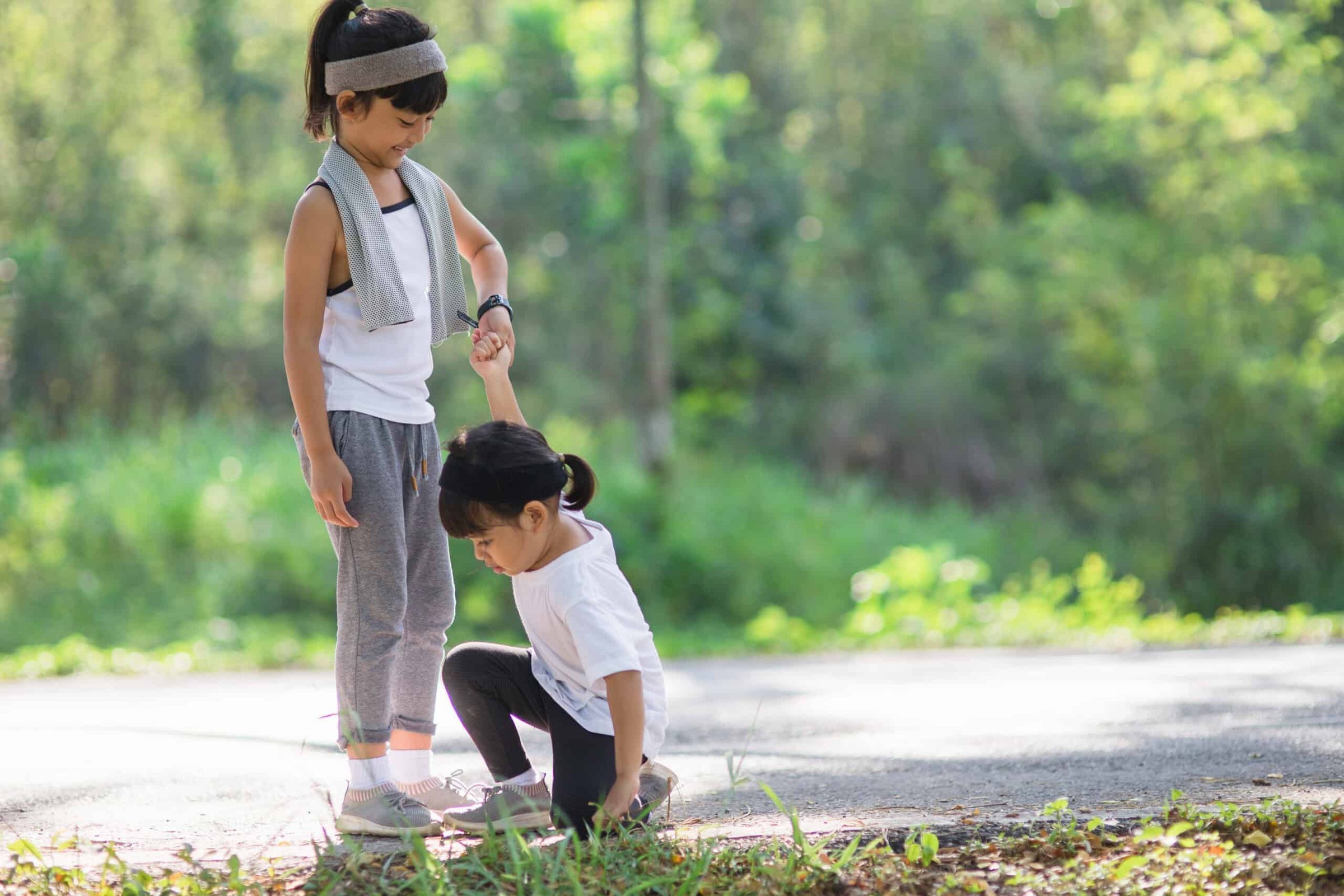
Think about a moment when you watched your child respond to someone else's distress — a younger sibling who fell over, a friend who was upset, even a character in a film. What did they do? Did they move toward the person, or hold back? Did they offer comfort, or look away?
Most parents notice these moments. And many quietly wonder: is this something we've shaped? Is it something we're still shaping? Is it too late to do more?
Empathy is one of those qualities that feels both essential and slightly mysterious — clearly important, but not obviously teachable. The reality is more reassuring, and more interesting, than that.
Empathy develops through the emotional environment children are immersed in — not through direct instruction
A growing body of work suggests that a child's capacity for empathy is shaped by a combination of factors: their own developing ability to regulate emotions, their language and communication skills, and — significantly — the emotional environment at home (5).
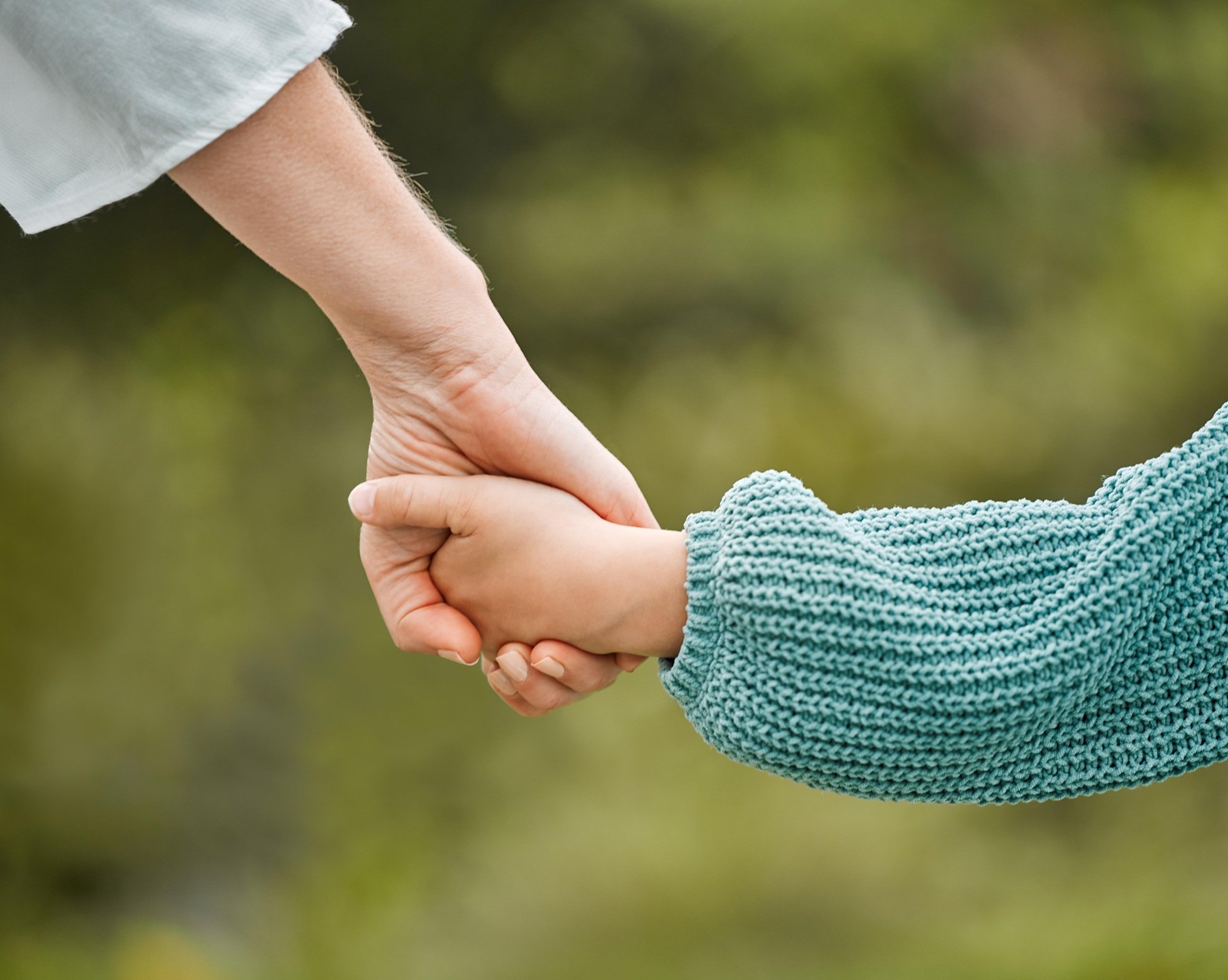
One area that researchers point to consistently is attachment. Children who experience consistently warm and responsive caregiving tend to develop higher levels of empathy over time (4). This is about the general emotional tone of a relationship — whether a child experiences the adults around them as emotionally available, regulated, and safe to be around.
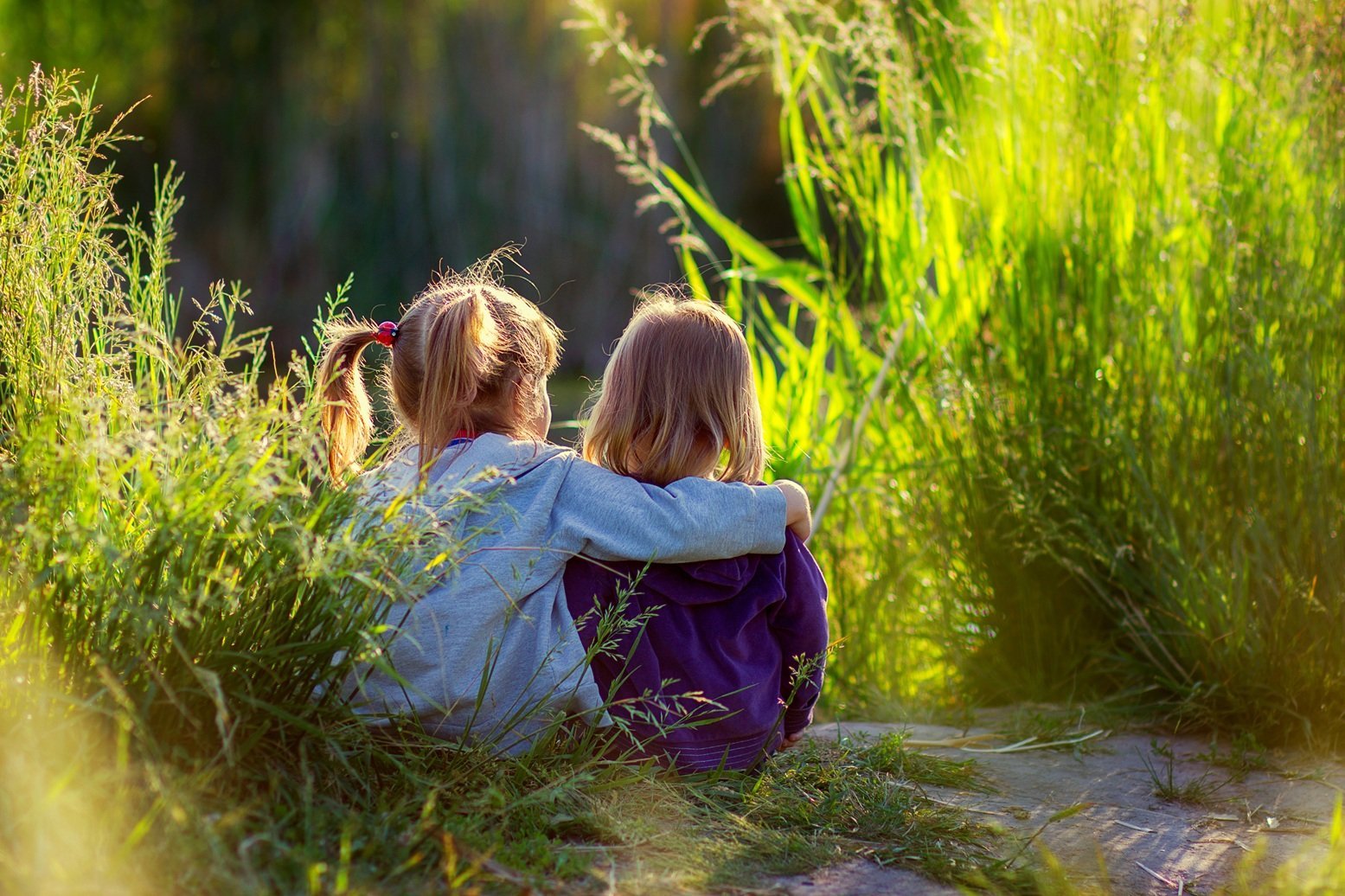
Children don't learn empathy from being told about it. They tend to absorb it from the emotional atmosphere they're immersed in — watching how the adults in their lives notice, respond to, and talk about feelings.
Much of this research is interconnected. Children who show higher empathy also tend to have other advantages — stable homes, less stress, more time for unhurried interaction. Empathy develops within a wider context, rather than through any single approach.
Many parents are passing on emotional patterns they absorbed long before they chose them
How we parent is shaped, in large part, by how we were parented. Many adults grew up in homes where attention was directed more consistently toward problems than toward ordinary goodness — a low grade prompted a conversation; a quiet act of kindness passed by unnoticed. Achievements were treated as baseline; difficulties triggered concern.
This often reflected the pressures and assumptions of the time. It does mean that many parents carry patterns — of attention, of praise, of emotional expression — that were absorbed long before they were chosen.
Recognising this shifts the question from 'am I doing this right?' to 'what am I noticing, and what am I passing on?' Many parents find that small shifts in attention — acknowledging effort rather than outcome, naming feelings out loud, expressing warmth without reason — gradually begin to change the emotional temperature of a home. Not because a technique has been applied, but because something genuine has been noticed and responded to.
In Japanese culture, empathy is understood as a relational practice — something cultivated daily
In Japanese culture, the concept of omoiyari describes a particular kind of considered empathy — attending carefully to others' feelings, often without them needing to be expressed directly. It's understood less as a personal virtue and more as a relational practice: something cultivated through the texture of daily life and social interaction, and gently modelled across generations (3).
This framing is useful. It suggests that empathy it's something that develops through immersion in relationships where it is consistently practised. The environment shapes the capacity.
Researchers at Harvard's Center on the Developing Child describe this in terms of 'serve and return' interaction — the moment-to-moment pattern of a child reaching out and an adult responding (6). These small exchanges, repeated thousands of times across early childhood, appear to build the neural pathways that underpin social and emotional development. The implication is both humbling and encouraging: the ordinary moments of daily life carry more weight than we might realise.
The gap between knowing that presence matters andactually beingpresent — and whyit'sgenuinely hard
Most parents already understand, on some level, that how they show up emotionally matters for their child. The difficulty is that understanding this doesn't make it easy. Parenting often happens under exactly the conditions that make emotional availability hardest: exhaustion, time pressure, the cumulative weight of a demanding week.
There's a particular tension here. We want to model emotional openness and regulated responses, while also being real people with our own stress and limits. Children benefit from seeing adults manage difficult emotions instead of performing the absence of them. Yet the conditions many parents are navigating make genuine emotional presence a significant ask.
This gap between aspiration and reality reflects what the wider environment is currently asking of parents. Naming that tends to be more useful than managing it alone, because it shifts the frame from 'why can't I do this better?' to 'what would make this more possible?'
Conditions that tend to support empathy — and some patterns many families have found worth trying
Empathy in children tends to develop most naturally in homes and classrooms where emotional life is taken seriously — where feelings are named, where adults model noticing and responding, and where children feel safe enough to express vulnerability without shame.
Some patterns that many families and educators have found useful to nurture empathy and emotional connection:
Model what you hope to see. Children are acutely observant. Many parents find that naming their own emotions aloud — 'I'm feeling frustrated right now, so I'm going to take a breath' — does more to build emotional vocabulary in children than any direct instruction. Homes where adults express feelings honestly and regulate them visibly tend to produce children who can do the same (4).
Shared activities that require cooperation. Team-based activities, group games, or collaborative projects tend to offer children repeated practice in perspective-taking and working through disagreement. Regular participation in cooperative activities is associated with more prosocial behaviour over time (2). The particular activity matters less than the experience of genuinely needing to consider others.
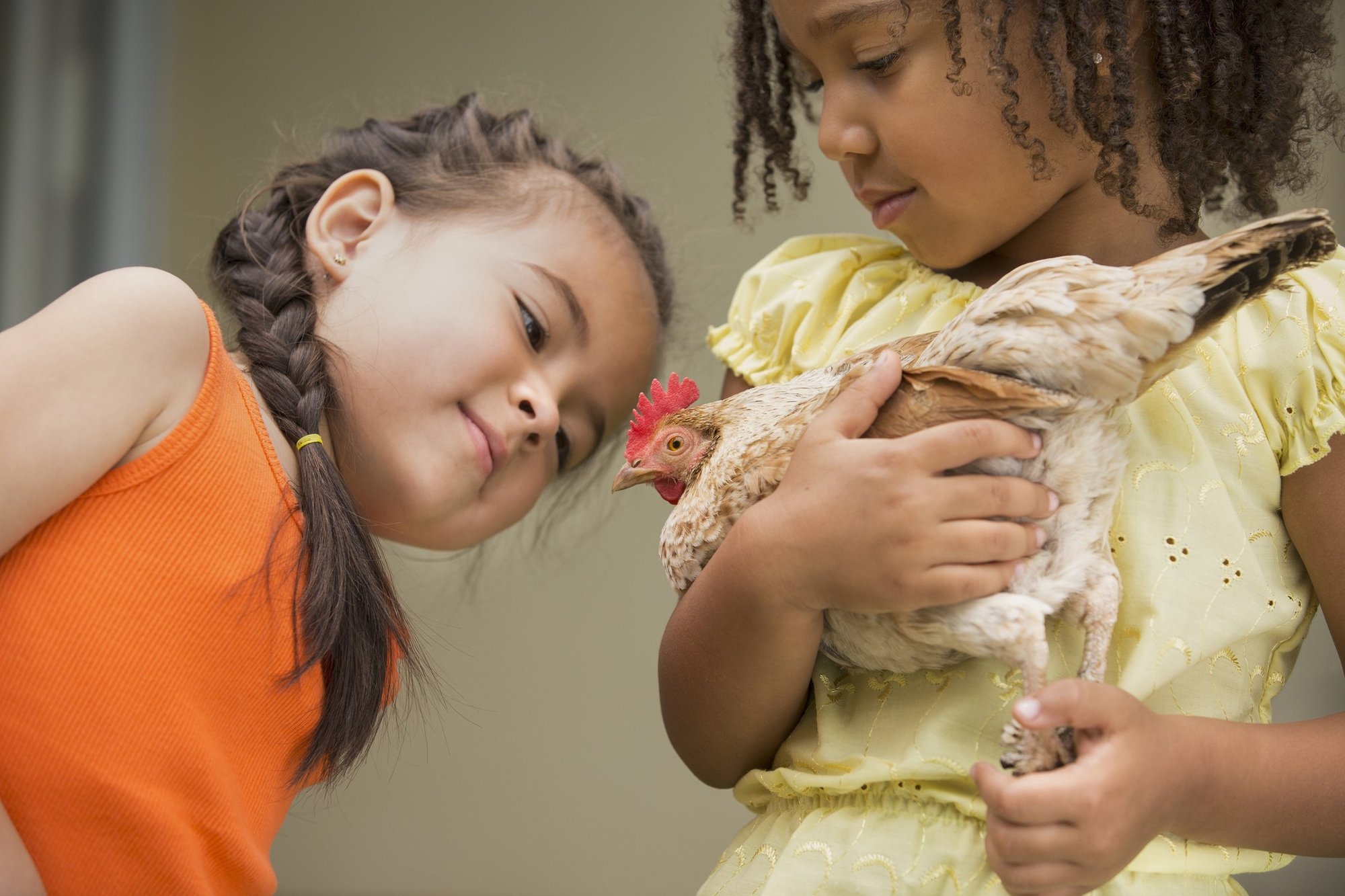
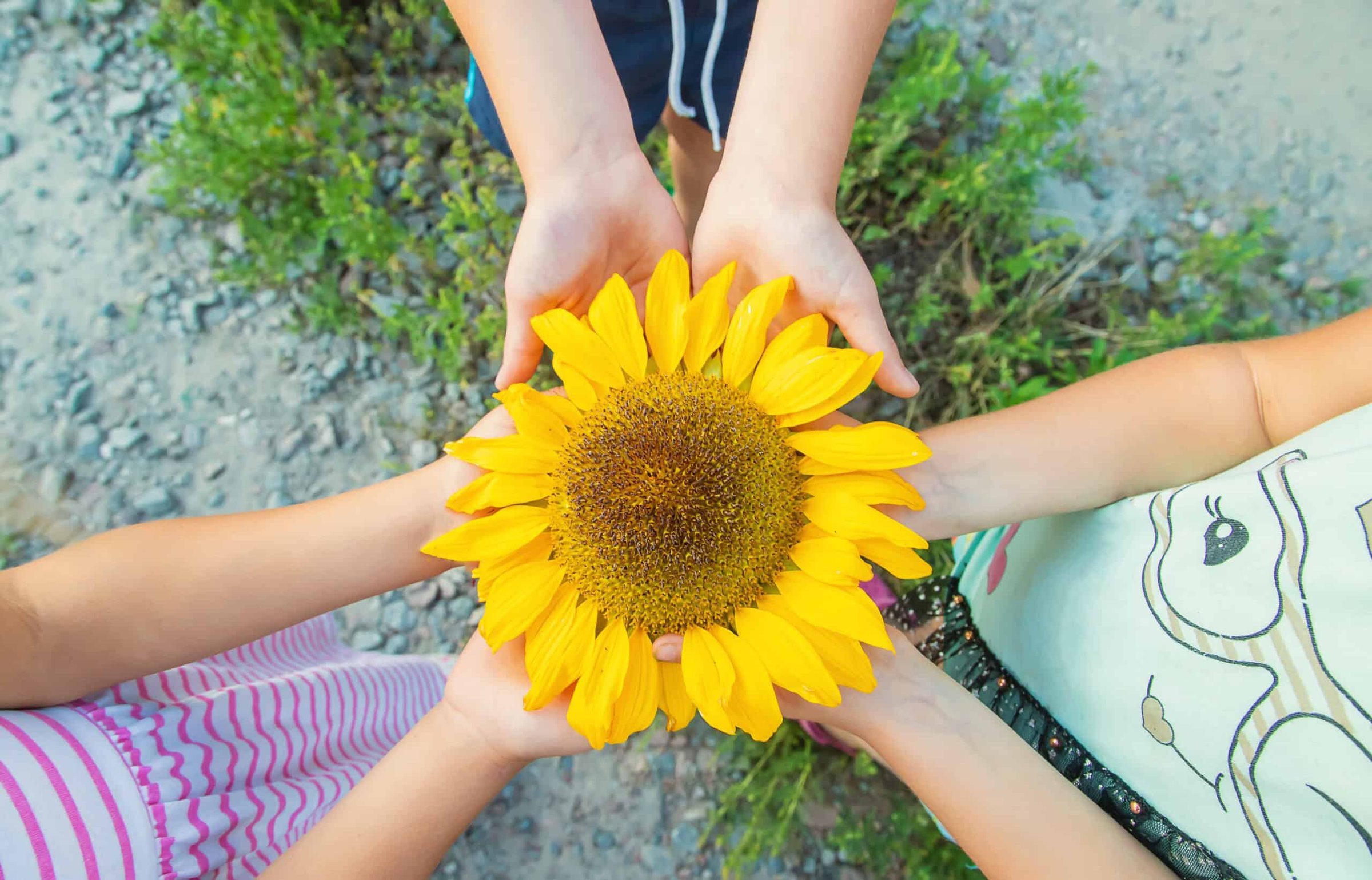
Responsibility for something beyond themselves. Caring for a pet, tending a plant, or taking on a household role that genuinely matters to the family tends to develop a different kind of empathy — one rooted in action rather than feeling alone. A growing body of work suggests that children with strong attachments to pets tend to show higher levels of empathy more broadly (1). Where pets aren't possible, other forms of real responsibility appear to have a similar effect.
Stories as a way in. Books, films, and stories that centre on characters navigating complex emotions offer children a low-stakes space to practise empathy. Families who read together and discuss what characters might be feeling, and why, tend to create a shared emotional language that carries into daily life. The conversation around the story often matters as much as the story itself.
Curiosity aboutdifference. Children who are regularly exposed to different cultures, traditions, and ways of living tend to develop a more flexible and expansive sense of who deserves care. This doesn't require structured lessons — it tends to emerge naturally from environments where difference is treated with genuine interest rather than mild discomfort.
Childrendon'tneed perfect emotional models — they need adults who are genuinely trying
Empathy is a capacity that develops across a lifetime — in children and in the adults around them. Many parents describe becoming more emotionally aware through parenting than they expected to be. The relationship goes both ways.
The real question is more about what we're attending to: what feelings we're noticing, what moments we're meeting with curiosity rather than correction, what emotional habits we're gradually making room for, instead of modelling empathy perfectly.
Children don't need flawless emotional models. They need ones who are genuinely trying — and who let them see that trying.
References:
[1] Christian H, Mitrou F, Cunneen R, Zubrick SR. Pets are associated with fewer peer problems and emotional symptoms, and better prosocial behavior: findings from the Longitudinal Study of Australian Children. J Pediatr. 2020;220:265–272. https://doi.org/10.1016/j.jpeds.2020.01.012
[2] Li J, Shao W. Influence of sports activities on prosocial behavior of children and adolescents: a systematic literature review. Int J Environ Res Public Health. 2022;19(11):6484. https://doi.org/10.3390/ijerph19116484
[4] Xu X, Liu Z, Gong S, Wu Y. The relationship between empathy and attachment in children and adolescents: three-level meta-analyses. Int J Environ Res Public Health. 2022;19(3):1391. https://doi.org/10.3390/ijerph19031391
[5] Roerig S, Van Wesel F, Evers SJTM, Krabbendam L. Researching children's individual empathic abilities in the context of their daily lives: the importance of mixed methods. Front Neurosci. 2015;9:261. https://doi.org/10.3389/fnins.2015.00261