Parenting tends to be understood as a process of transmission: adults teach, children learn. What this framing leaves out is the reverse — the consistent, unremarkable, often surprising ways that children teach the adults around them.
Not through words or wisdom they have accumulated, but through what they still carry naturally: a quality of presence, an openness to curiosity, an honesty about emotional experience, a willingness to try again. Researchers who study children's learning and development note that these are orientations toward the world that support wellbeing at any age (1, 2).
This article explores what children carry that adults often lose access to — and what could happen when parents stay curious about their child as teacher rather than only as learner.
Parenting is usually understood as one-directional — but children areteachingthe adults around them all the time
There is a particular kind of moment that many parents describe. Something their child does — the way they throw themselves into an activity, the directness of what they say, the speed at which they forgive and move on — stops an adult mid-thought. There is a recognition in it, something felt rather than reasoned: this child just taught me something.
Parenting tends to be framed around transmission. Adults bring knowledge, values, and experience into the relationship; children receive them. This is real, and important. What the framing misses is the other direction: the consistent and often unremarkable ways that children carry capacities that many adults have gradually lost access to, and the way their presence quietly invites those capacities back.
Research on children's development points to capacities that are orientations toward the world that support learning and wellbeing at any age
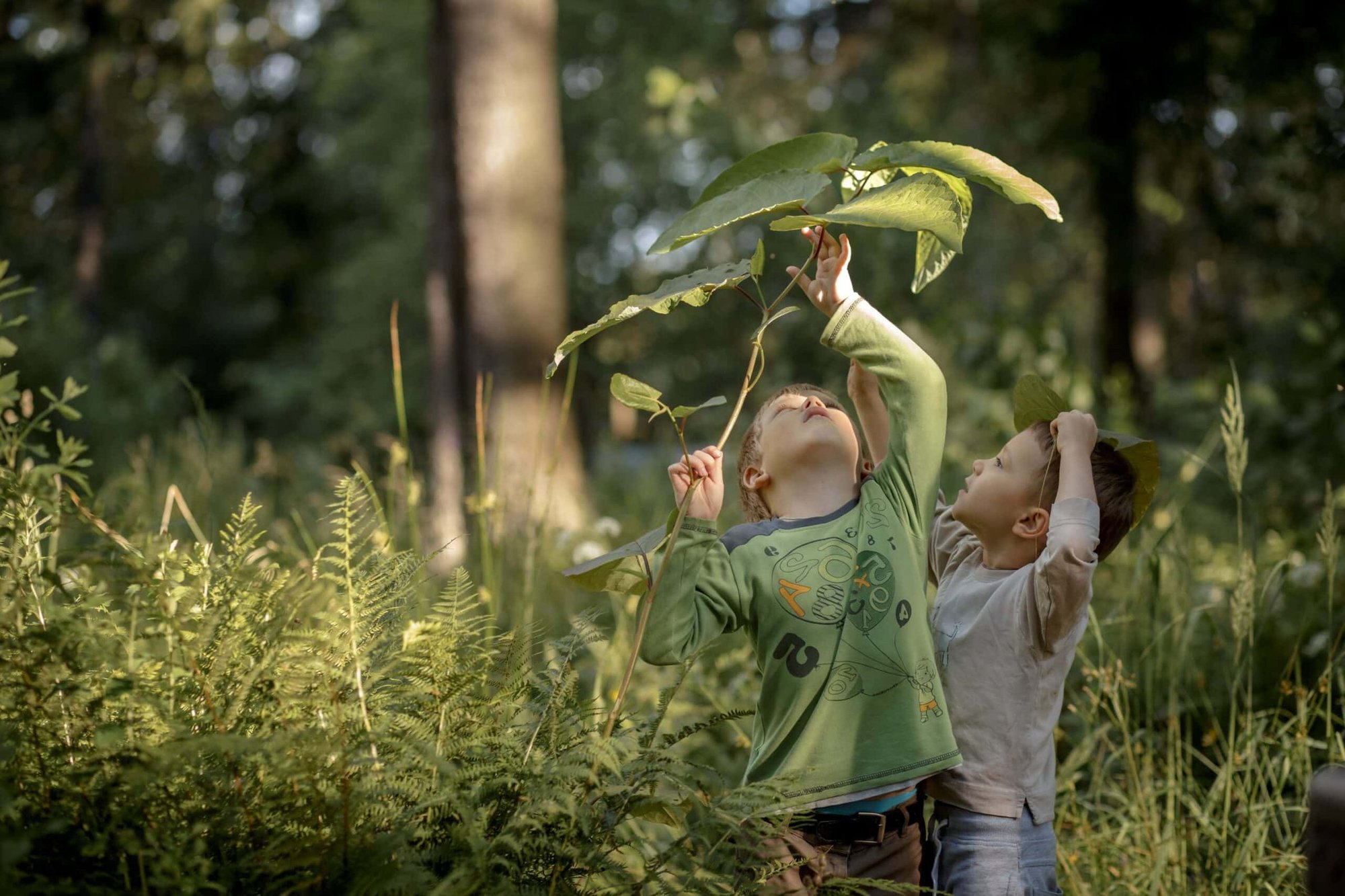
Researchers who study how children learn note that curiosity — the drive to explore, question, and understand — appears to be one of the most powerful engines of learning available to any person at any age (1). Children who have not yet been taught that certain questions are naive, certain interests are inappropriate, or certain ways of engaging are inefficient, tend to remain in a state of genuine inquiry that most adults find harder to access.
Similarly, a growing body of work on learning and development points to the particular value of what might be called a growth orientation to failure — treating setbacks as information rather than evidence of fixed inadequacy — as one of the most significant predictors of sustained learning (2). This orientation tends to be natural in early childhood, before the social stakes of being seen to fail become apparent. Watching a child get up and try again, without commentary or self-flagellation, is an encounter with something that many adults have to work deliberately to recover.
Children carry these capacities because they have not yet been taught to set them down. The parent who notices this is encountering something worth paying attention to.
Fourthingschildren still carry that many adults have quietly set aside — and what each one offers
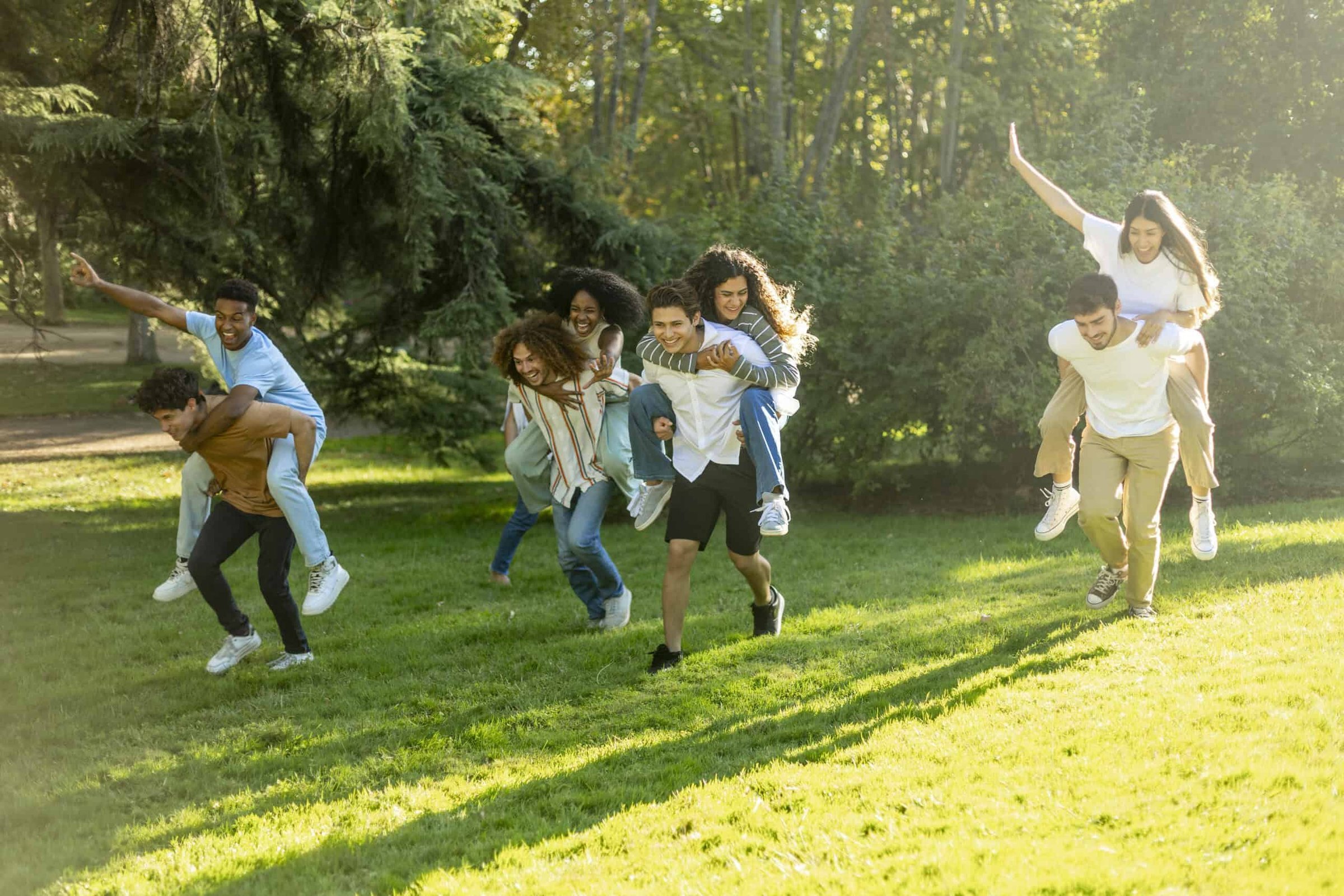
Children could be absorbed in what is directly in front of them in a way that many adults describe as almost impossible to replicate. The block tower, the ant crossing the path, the story — they receive full attention. What looks, from the outside, like the absence of distraction is actually the presence of genuine engagement: a quality of being here, now, in this moment, that adults often recognise as something they have spent considerable effort trying to cultivate and recover.
The emotional honesty of children — crying when they are sad, expressing frustration directly, laughing without restraint — is often managed by adults into social acceptability. What tends to be underappreciated is what that transparency communicates: that an emotional experience is real, is worth acknowledging, and does not need to be hidden in order to be manageable. Many parents find that a child's direct emotional expression prompts a quality of reflection about their own suppressed experience that is genuinely useful.
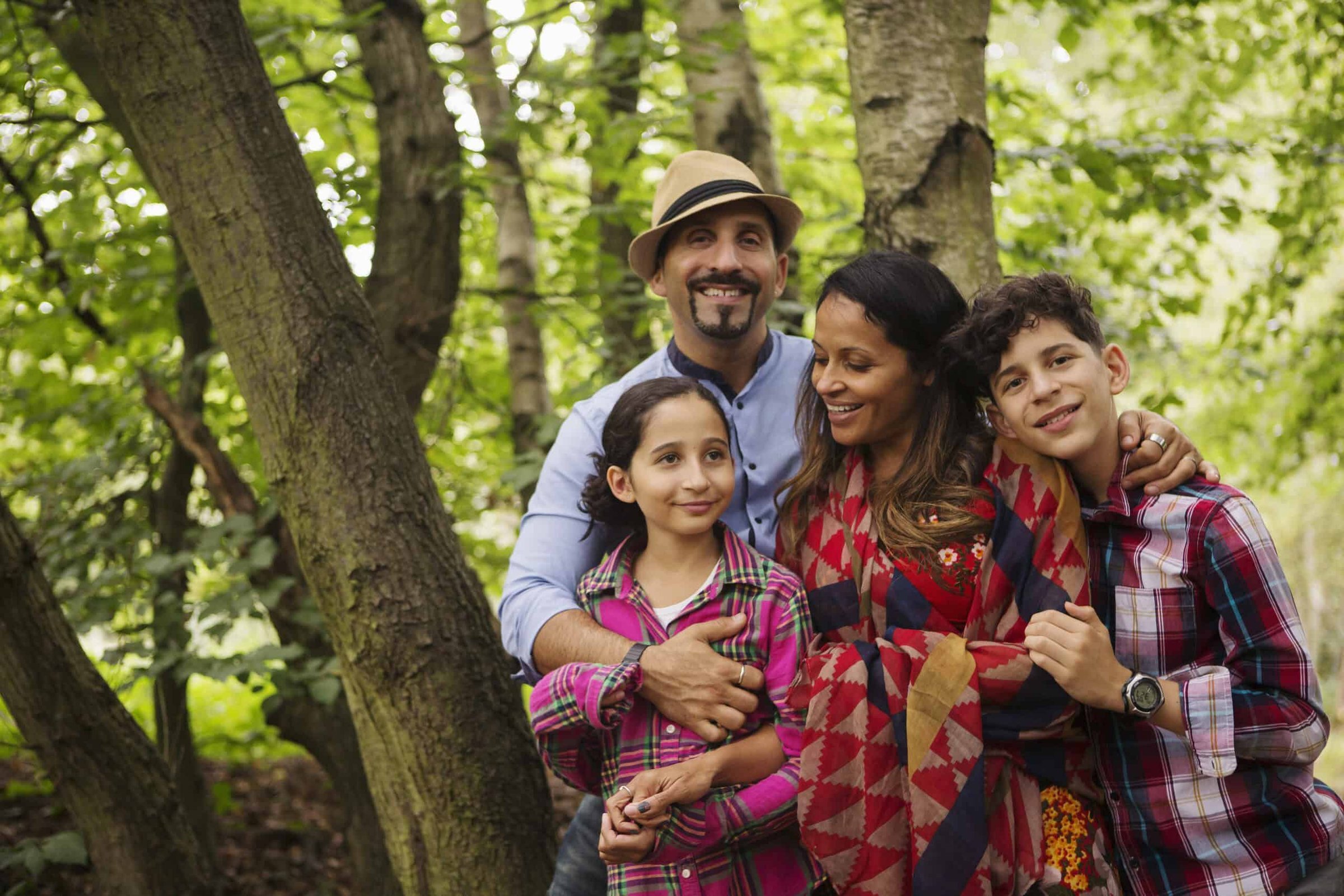
The willingness of children to try, to fail, and to try again — to walk into a friendship without certainty, to attempt a skill without performance anxiety — operate at a level of freedom from judgment that is difficult to sustain into adulthood. And children's love, in its early forms, tends to be given without precondition: not earned by performance or withheld by disappointment. Many adults find this quality of unconditional presence — being loved for existing rather than for succeeding — quietly revelatory.
Many cultural traditions have long understood children as bearers of wisdom
In Māori tradition in Aotearoa New Zealand, children — tamariki — are understood to carry spiritual insight that is not dependent on age or accumulated experience. Elders are encouraged to listen as much as they guide, and the passage of wisdom is understood as flowing in both directions. The child is a participant in a shared process.
Ubuntu philosophy from southern Africa describes the self as fundamentally relational: 'I am because we are.' Within this frame, the knowledge and emotional life of a community are held across all its members, including its youngest. Children contribute something irreplaceable to the collective because of the particular quality of presence that inexperience carries.
What these traditions share is a refusal of the assumption that developmental progress means the progressive acquisition of value. Children bring something, now, that is worth receiving. And the conditions in which that offering is received are shaped by the attention of the adults around them.
The structural difficulty: parenting culture is framed around correction and transmission — being genuinely taught by a child is harder than it sounds
There is a tension in proposing that adults can learn from children that goes beyond the personal. Parenting culture is largely structured around the adult as expert and the child as the project of that expertise. A parent who pauses in the middle of a difficult day to receive something from their child — to slow down, to notice, to be genuinely changed by the encounter — is working against the current of what parenting is generally understood to involve.
There is also a quieter, more personal dimension. Being genuinely open to learning from a child requires a quality of attention and humility that exhaustion, responsibility, worry, and social pressure tend to make genuinely difficult. It is not always possible. Many parents carry a background guilt about not being more present, more curious, more emotionally available — and adding 'learning from your child' to the list of things they should be doing differently is not necessarily helpful.
The invitation here is to name something that many parents have already noticed — that their child, in some moment, offered them something they hadn't expected. Understanding why that keeps happening is a different kind of question from what to do about it.
What tends to create the conditions for this bidirectionality —atittiudesrather than practices
The parents who describe most frequently noticing what their children teach them tend to share an attitiude more than a technique. It is less about structured observation and more about a quality of attention — an openness to being surprised, a willingness to follow rather than lead, a tolerance for the pace at which children move.
Some patterns that many families have found create the conditions for this kind of mutual engagement:
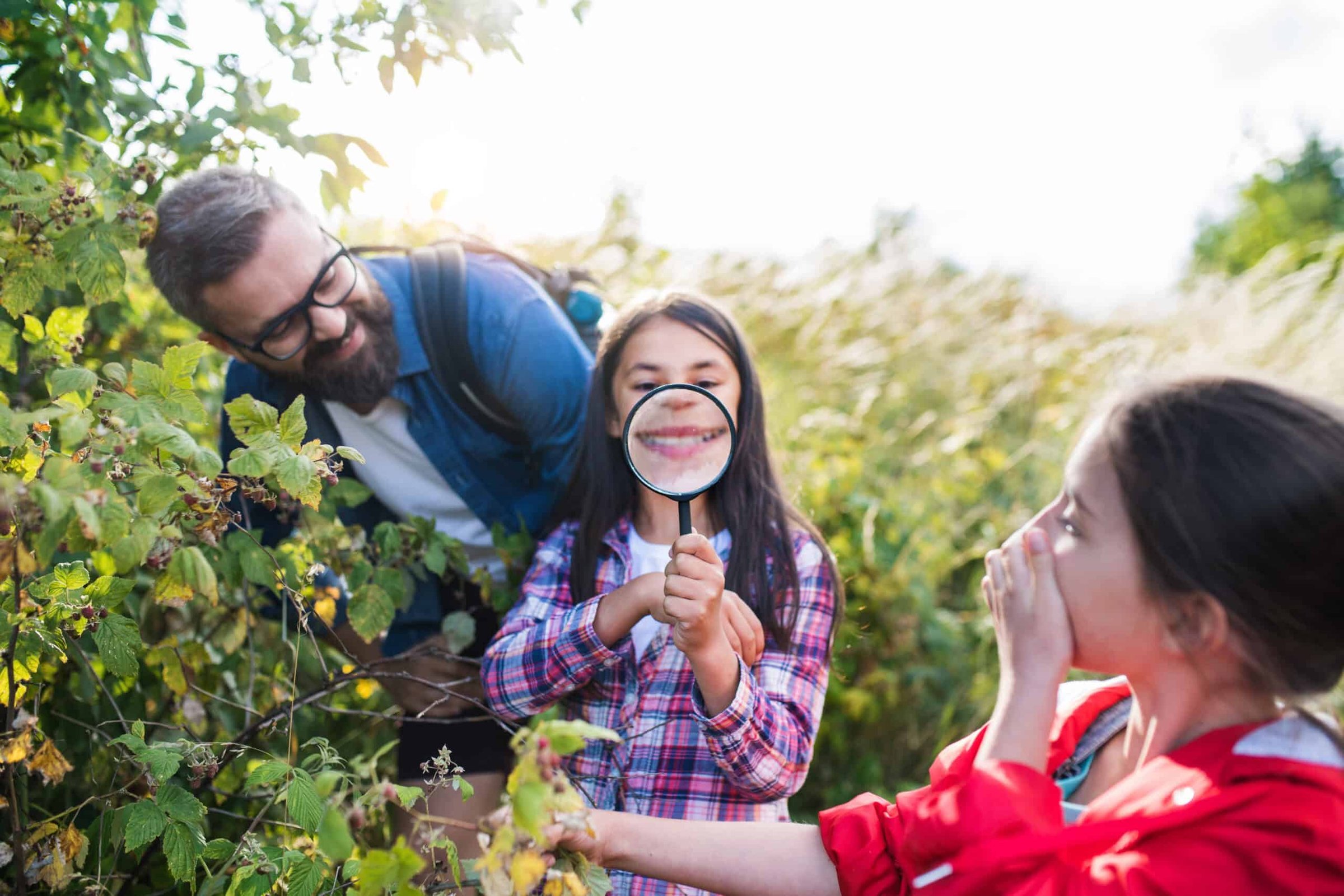
Follow curiosity. When a child wants to understand something — to keep asking why, to examine an object from every angle, to pursue an interest that seems inconvenient — following that direction rather than diverting it tends to create encounters that are genuinely surprising for both people. The child who investigates something thoroughly tends to take adults with them (1).
Receive emotional expression. When a child is emotionally transparent — upset, delighted, frustrated, moved — treating that transparency as information rather than a problem to solve tends to create a different quality of encounter. Many parents find that a child's direct emotional experience prompts reflection about their own that they would not have accessed otherwise.
Notice the recovery. Children's relationship with failure is most visible in what comes after — the return to the activity, the next attempt, the absence of lingering shame. Many parents find that observing this without intervening, rather than rushing to comfort or explain, offers something worth noticing in its own right (2).
Slow down to the child's pace occasionally. Many of what children teach their parents tends to happen at a pace that adult life rarely supports — the long afternoon with no agenda, the walk that takes three times longer than expected because everything is interesting. Creating some space for this kind of time, without filling it, could be where these encounters happen most naturally.
The relationship between parent and child is one of the most consistently underestimated opportunities for adult growth
Many people describe parenting as transformative — as having changed who they are in ways they didn't anticipate. What they often mean, when they reflect on it, is the specific quality of being regularly returned to something they had moved away from. The child's curiosity that made them curious again. The forgiveness that came so easily. The presence that required no effort.
Children are simply being what they are — unguardedly, thoroughly, in the moment they inhabit. The teaching is incidental to the being. What varies is whether the adult around them is moving fast enough to miss it, or slow enough to notice. That is, in the end, something that belongs to the adult.
[2] Watson E, Busch B. A parent's guide to the science of learning: 77 studies that every parent needs to know. Abingdon: Routledge; 2021. https://doi.org/10.4324/9781003125709