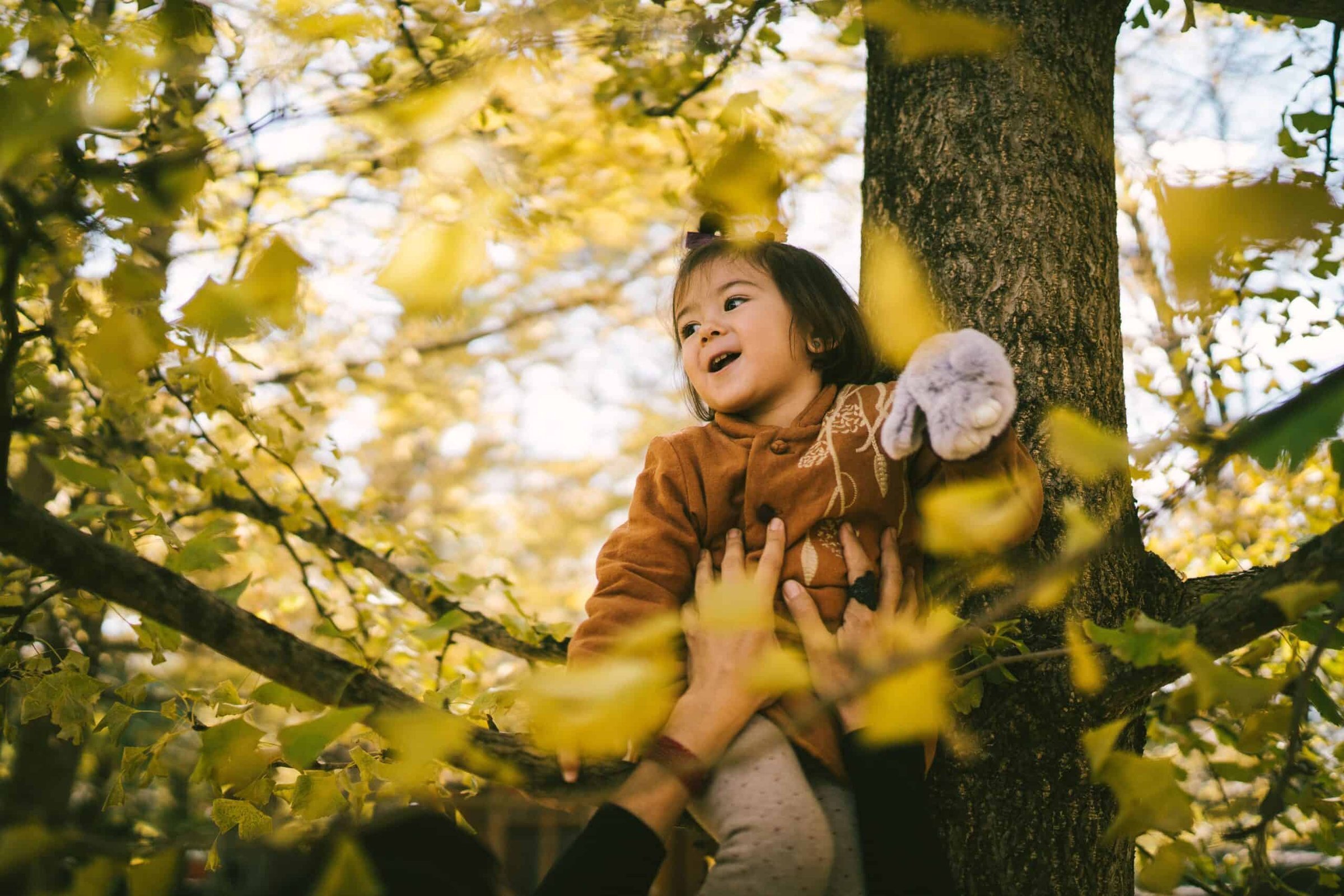
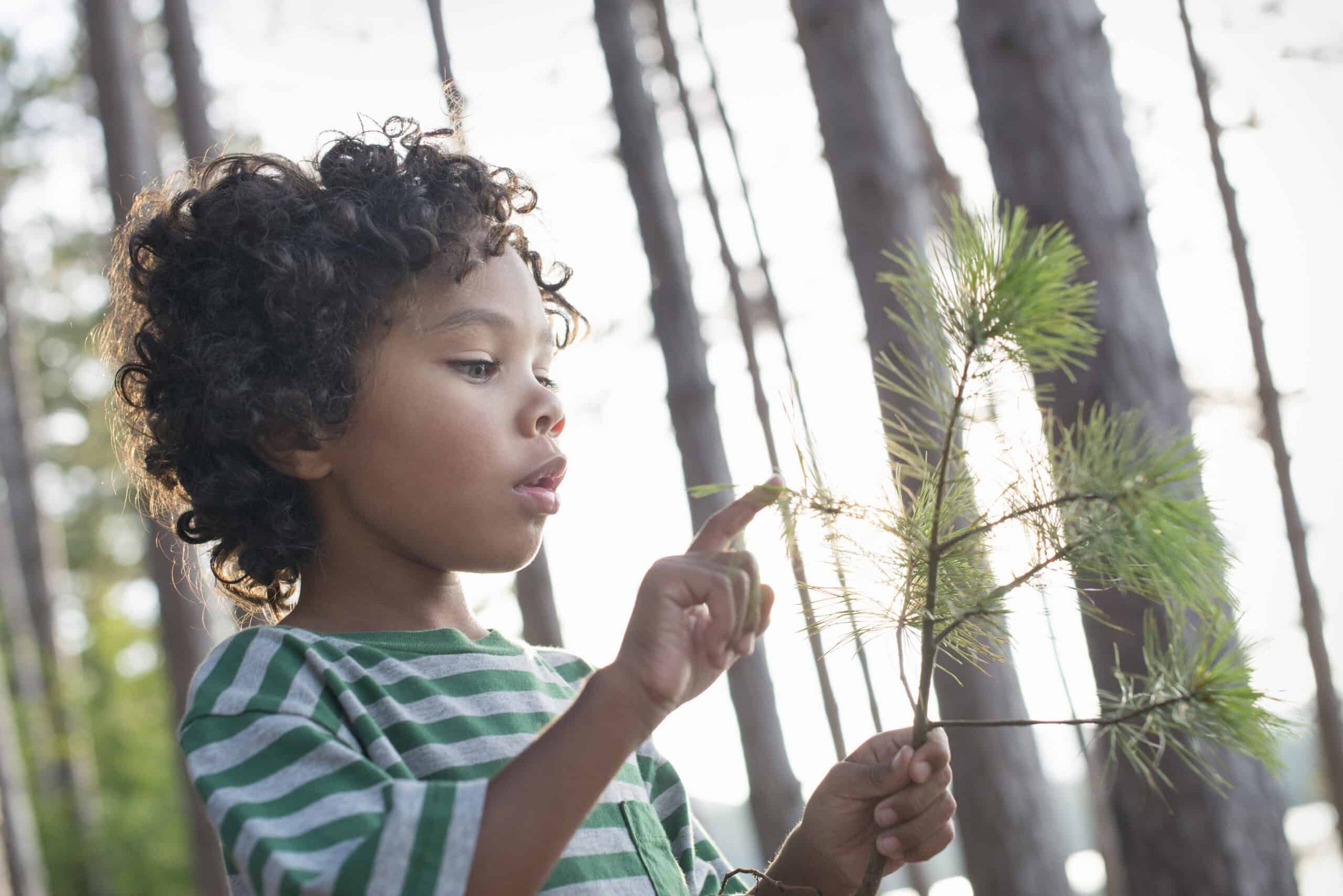
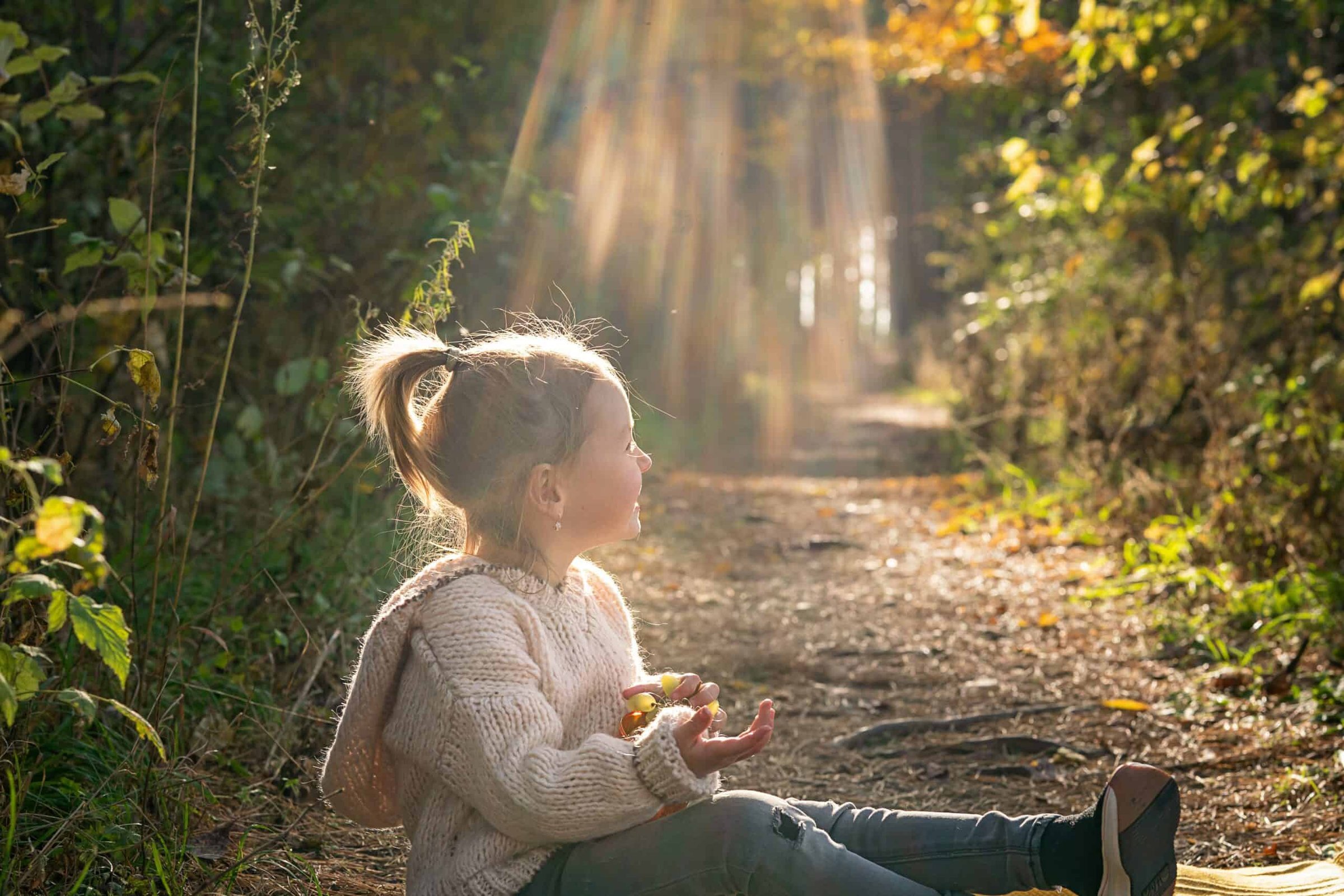
There is a moment most people recognise — something stops you. A whale surfaces and disappears. A choir reaches a particular note. Light through trees at a particular angle. For a breath or two, the ordinary weight of the day lifts, and something larger enters.
Researchers studying the emotion of awe are finding consistent associations with physiological change — shifts in heart rate, breathing, and the nervous system's stress response — alongside improvements in mood, social connection, and a quieter sense of self (1, 2). The research is still developing, and the size of these effects varies. What it points toward, consistently, is that awe appears to be doing something in the body as well as the mind.
This article explores what researchers have found about awe's physical and psychological dimensions, what it might mean for children in particular, and what tends to create the conditions for wonder in family and school life.
Awe is a full-body experience — and researchers are beginning to understand why the body responds to wonder the way it does
Most people have felt it at some point: the widening of the eyes, the involuntary inhale, the skin that prickles in response to something vast or beautiful or unexpected. These physical responses to awe — to the rainbow, the night sky, the piece of music that reaches somewhere particular — usually arrive before thought. The body has already registered something before the mind has named it.
Research on awe as an emotion is relatively young but growing. What it is finding, consistently, is that awe is not simply an aesthetic experience. It appears to involve the body's stress-regulation systems, the brain's reward circuitry, and the nervous system's capacity for settling and attending. Understanding how this works — and why it seems to matter for wellbeing — turns out to have practical implications for how adults support children's access to wonder.
Research finds that awe reliably shifts the body's physiological state — and links it to lower stress, improved mood, and a broader sense of connection
Researchers studying awe in laboratory settings have found that brief experiences of it produce consistent physiological shifts: heart rate slows down, breathing deepens, and the body's alarm systems quiet (1, 4). This appears to reflect the nervous system moving into a more settled state — one associated with attention widening and a reduction in the preoccupation with immediate pressures and concerns.
Some evidence suggests that brief experiences of awe can alter the subjective sense of time — people feel they have more time available in the aftermath of an awe experience, which researchers associate with calmer, more deliberate decision-making (6). The experience also appears to activate the brain's reward systems, producing a state that researchers describe as calm but alert rather than simply relaxed — a quality that may be particularly useful for learning and social engagement (1).
A note on the research: these findings are encouraging and consistent across a number of well-designed studies. The full extent of awe's long-term effects on health and wellbeing is still being investigated, and the size of effects varies. It's worth holding the science with curiosity rather than certainty — which is, perhaps, fitting for a topic about wonder.
Some research tracking daily awe experiences found associations with lower stress, fewer physical symptoms over time, reduction in depressive symptoms, and improvements in general wellbeing (2, 3). Experts examining positive emotions and physical health markers found that awe showed the strongest association with indicators linked to reduced chronic inflammation among the emotions studied.
Aweappears to quietthe sense of self — and that quieting is connected to feeling more connected to others and to the world
One of the more consistently observed features of awe in psychological research is what some researchers call the 'small self' — a reduction in the intensity of self-focused thought that tends to accompany awe experiences. The ordinary mental preoccupations with self-image, status, and personal concerns become less dominant. Something larger enters the frame (1, 5).
This appears to be connected to awe's social dimension. The sense of smallness within something larger — nature, music, a vast crowd united in something — is associated with increased social connectedness and a greater concern for others (5). The moment in which the self feels less significant can also be the moment in which other people feel more significant.
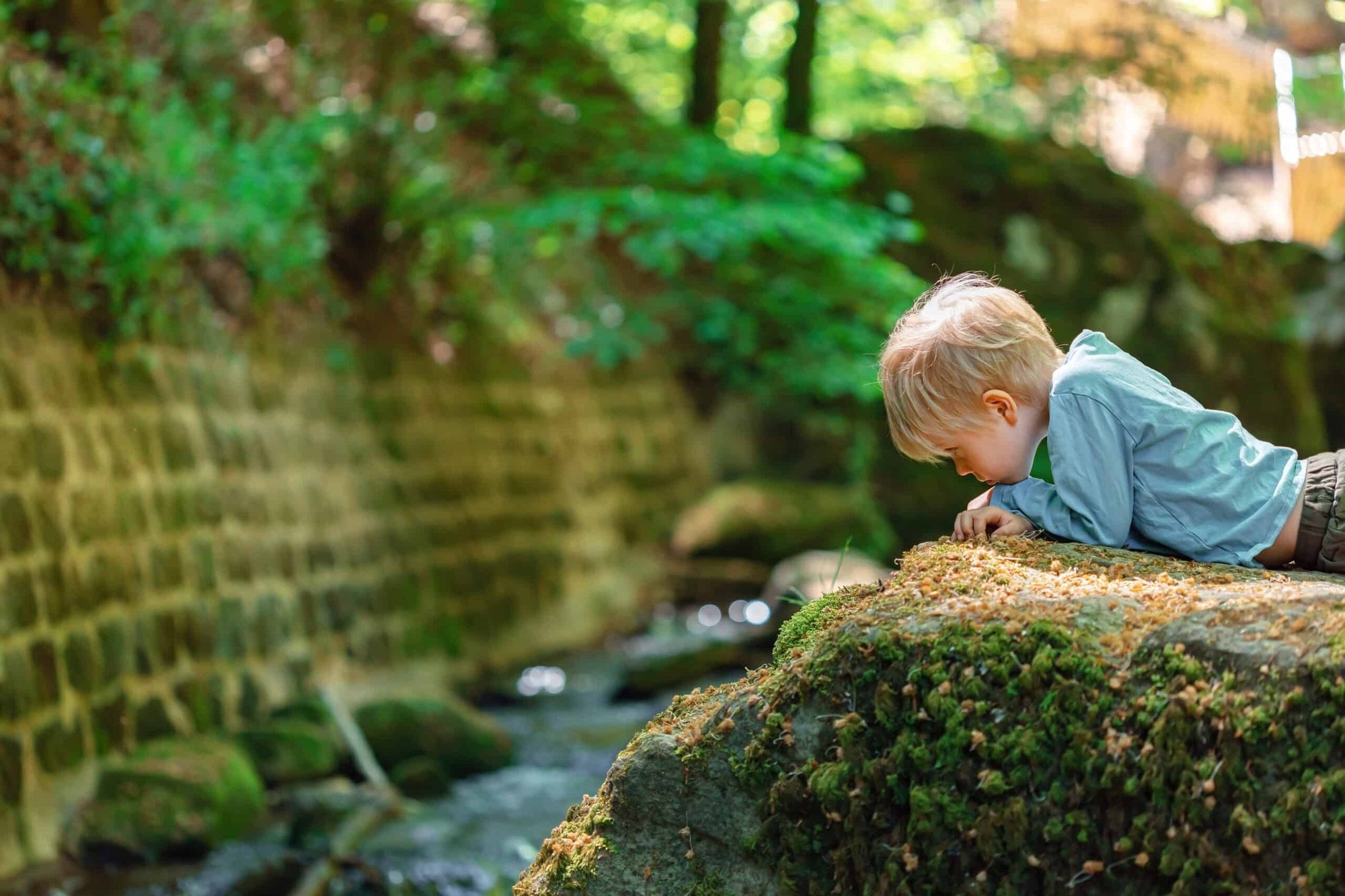
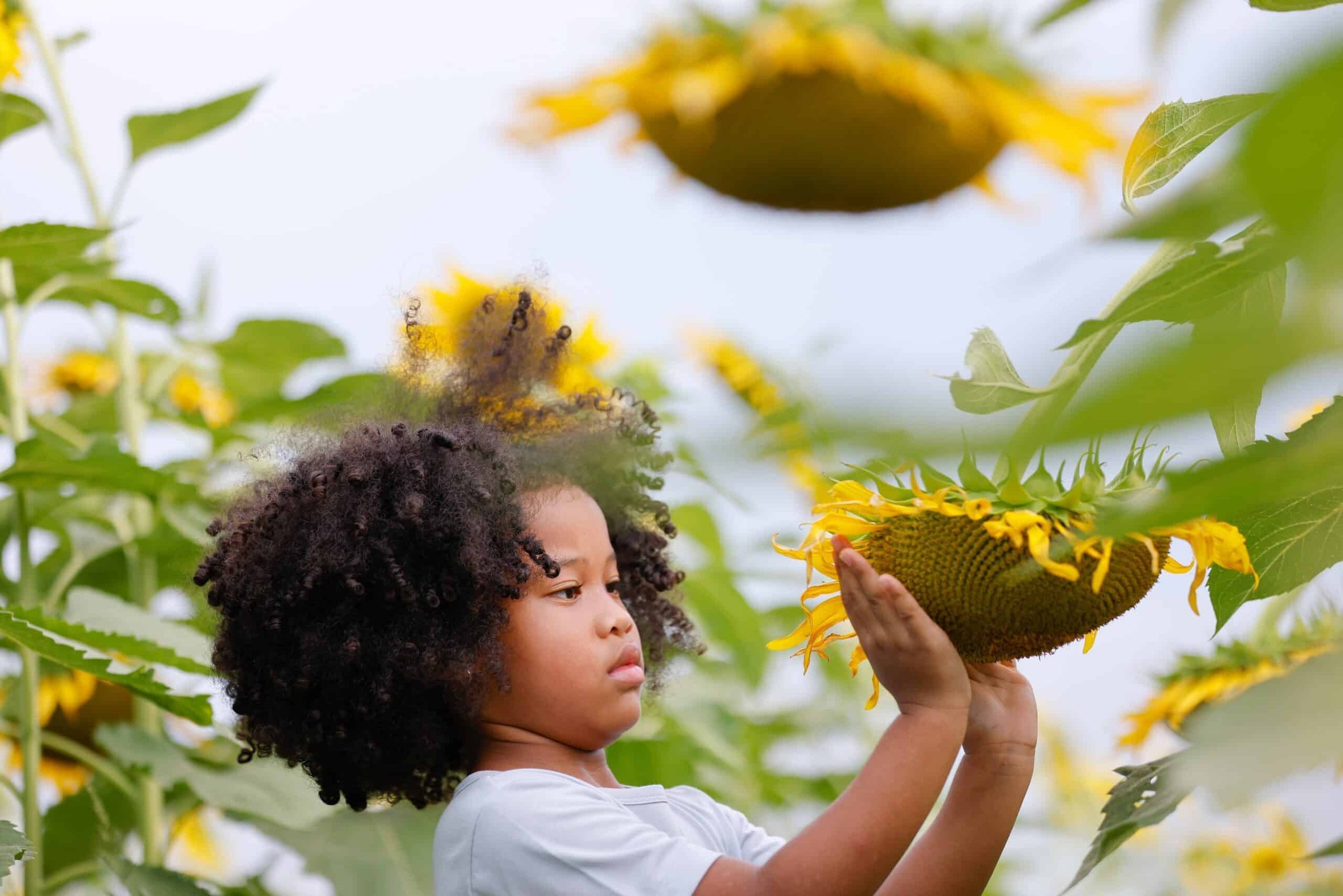
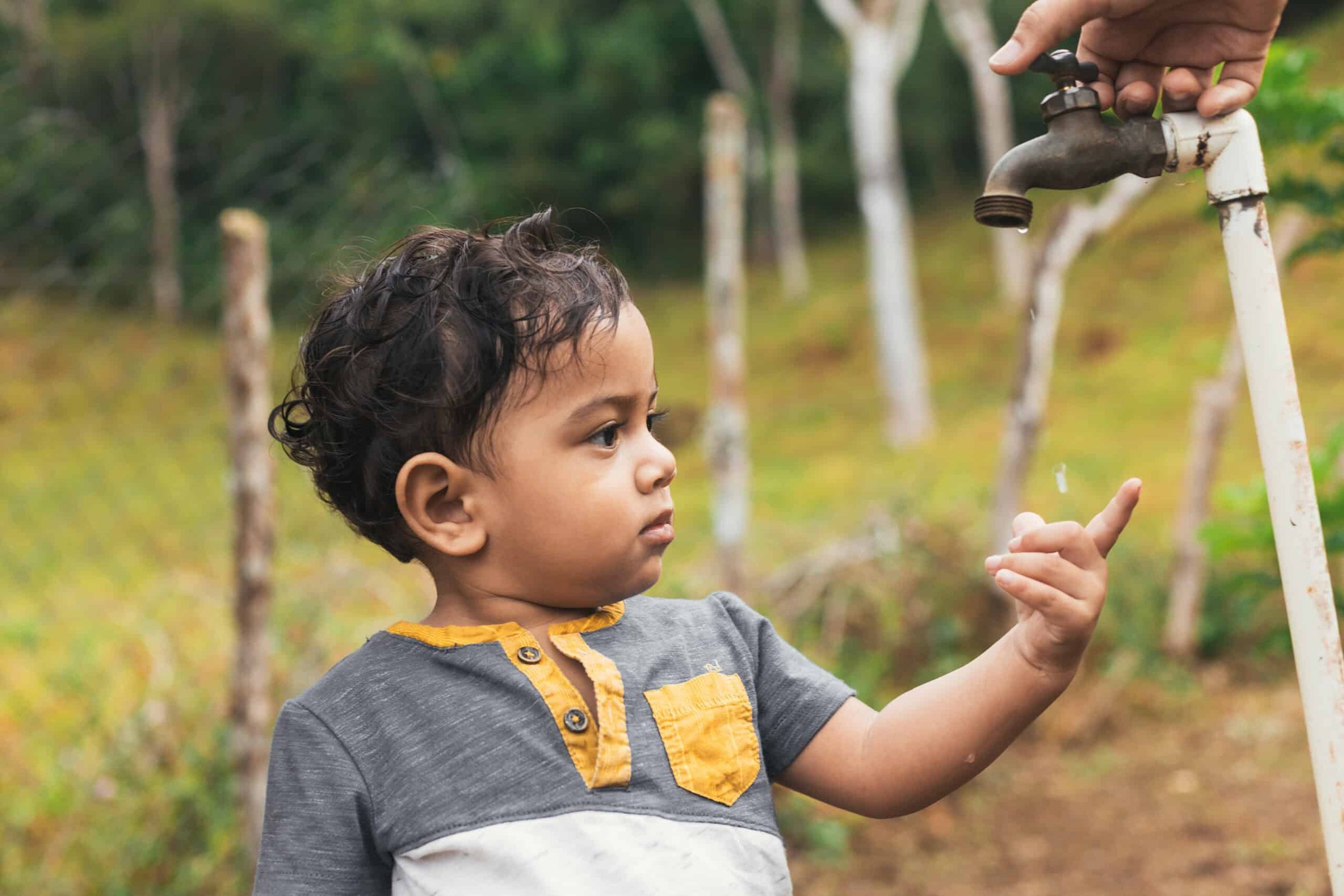
For children, this may be particularly worth understanding. Children are naturally more prone to moments of awe — everything is newer, the world has been encountered less thoroughly. The ant on the path, the puddle reflecting the sky, the first time hearing an orchestra — these are genuinely novel in ways they cannot remain for adults. Understanding children's wonder as doing something real could change how adults engage with it.
Awe is culturally embedded — shared ritual has always created collective wonder, anddifferent culturesoffer different doors into it
Every human culture has developed practices that reliably generate shared states of wonder: lantern festivals, communal prayer, choral singing, collective storytelling, ceremonies marking the movements of stars or seasons. Shared awe appears to coordinate attention across a group, soften the boundary between self and other, and strengthen social bonds in ways that individual awe experiences alone don't fully replicate (5).
What counts as awe-ful varies significantly across cultures and individuals. The vast sky does it for some people; a tiny object examined closely does it for others. Music is a reliable route for many; stillness and silence work better for some than spectacle does. This variability is a part of what makes wonder such a rich area to explore with children and communities. Offering multiple entry points rather than a single prescribed experience serve a wider range of people.
Research is beginning to examine how collective awe experiences — structured rituals, seasonal events, school or community ceremonies — might support belonging and social cohesion over time. The findings are preliminary, but they point toward the possibility that deliberate, culturally relevant shared wonder may do social and psychological work that more transactional forms of togetherness don't.
Adultsmaynotice wonder less as they age — and the conditions of modern life make the kind of pausing that awe requires genuinely difficult
Children lose access to wonder gradually. Familiarity accumulates. The world that was once entirely new becomes increasingly mapped and anticipated, and the attentional openness that makes awe possible tends to narrow with it. By adulthood, the default is often efficiency and forward momentum rather than pausing to be stopped by something. This is what happens when the horizon of the familiar expands.
Modern life is not well-designed for awe. Schedules, notifications, and the constant availability of stimulation all compete with the quality of undirected attention that awe seems to require. Research suggests that awe usually arise in conditions of relative openness — when attention is not already fully directed, when the environment offers something unexpected, when there is enough space to be stopped (1, 6). These conditions are structurally uncommon in most adults' working days and not always easier to access in children's scheduled lives.
There is also a dimension of individual variability. Awe is not universally pleasant. For some children — those who are highly sensitive, sensory-seeking or sensory-avoiding, or who find overwhelming stimuli difficult to regulate — what produces wonder in others can produce discomfort or anxiety. The expansive night sky, the full volume of an orchestra, the physical pressure of a large crowd sharing a moment — these carry different weights for different nervous systems. It is worth to remember that when creating conditions for shared wonder, particularly in school or group settings.
Some directionsfor families and classrooms that create conditions rather than prescribe experiences
The conditions that support awe in children's lives tend to be simple, low-cost, and highly variable in how they manifest for different children and families. What they share is a quality of unhurried attention — space to notice, without an agenda for what should be noticed or how.
Some patterns that many families and educators have found useful to support wonder in children’s lives, with the understanding that what opens wonder for one person may need to be different for another:
Slow down before looking. Awe tends to arrive in conditions of relative stillness. Pausing before beginning an activity — a few quiet breaths, a moment of genuine looking before moving on — creates the attentional opening that wonder needs. This works outdoors and indoors, in nature and in museums, with music and with objects (1, 6).
Offer varied doors into wonder. For some children awe arrives through scale — the vast, the enormous, the overwhelming. For others it arrives through the tiny — the detail, the pattern, the unexpected structure of something small and ordinary. Music, movement, stories, natural objects, stargazing, watching water — different children tend to find different entries. Following the child's own signs of absorption tends to be more useful than prescribing an experience (5).
Name what you notice rather thanexplainingit. Adults often feel the pull to explain what is wonderful about something — to add information, context, or interpretation. The research on awe suggests that the explanatory impulse can close the experience rather than open it. Simply naming what one notices — 'that light is extraordinary' — without moving immediately to why, tends to preserve the quality of wonder rather than converting it into information.
Support collective moments without requiring uniformity. Shared awe experiences — singing together, watching something together in silence, a seasonal school ritual — could support social connection when they accommodate different levels of participation and different individual responses. The child who doesn't feel it the way others do, may find wonder differently. Opt-outs and quieter alternatives preserve the benefits for those who need them (5).
Be willing to be stopped yourself. Children notice when adults are genuinely arrested by something — when a parent stops walking to look at a bird, when a teacher goes quiet at something unexpected. These moments of adult wonder communicate something that no explanation can: that the world is still genuinely surprising, and that stopping to notice is something adults do too.
Wonder requires the quality of attention that lets the ordinary become, for a moment, remarkable
The research on awe points consistently toward something that most people already know, in some part of themselves, and tend to lose access to in the business of daily life: that the ordinary world is considerably stranger and more beautiful than habitual attention allows it to appear.
The ants crossing the path are doing something extraordinary. The light through a window at a particular angle does something to the air. A child absorbed in something small is engaged with the world at a level of attention that most adults find hard to sustain.
What the research adds to this is a physiological and psychological account of why pausing to notice matters — why the moment of genuine wonder appears to do something for the body and mind. What it asks, in practice, is simply this: conditions that allow for the pause. Space enough to be stopped. Attention wide enough to receive what is there. That is, consistently, where wonder begins.
[2] Monroy M, et al. The influences of daily experiences of awe on stress, somatic health, and wellbeing: a longitudinal study during COVID-19. Sci Rep. 2023;13:9099. https://doi.org/10.1038/s41598-023-35200-w
[3] Monroy M, Amster M, Eagle J, Zerwas FK, Keltner D, López JE. Awe reduces depressive symptoms and improves wellbeing in a randomised-controlled clinical trial. Sci Rep. 2025;15:16453. https://doi.org/10.1038/s41598-025-96555-w
[4] Chirico A, Ferrise F, Cordella L, Gaggioli A. Effectiveness of immersive videos in inducing awe: an experimental study. Sci Rep. 2017;7:1218. https://doi.org/10.1038/s41598-017-01242-0
[5] Li J, Dou K, Liang Y. Why awe promotes prosocial behaviours? The mediating effects of the small self and social connectedness. Front Psychol. 2019;10:1206. https://doi.org/10.3389/fpsyg.2019.01206
[6] Rudd M, Vohs KD, Aaker J. Awe expands people's perception of time, alters decision making, and enhances wellbeing. Psychol Sci. 2012;23(10):1130–1136. https://doi.org/10.1177/0956797612438731